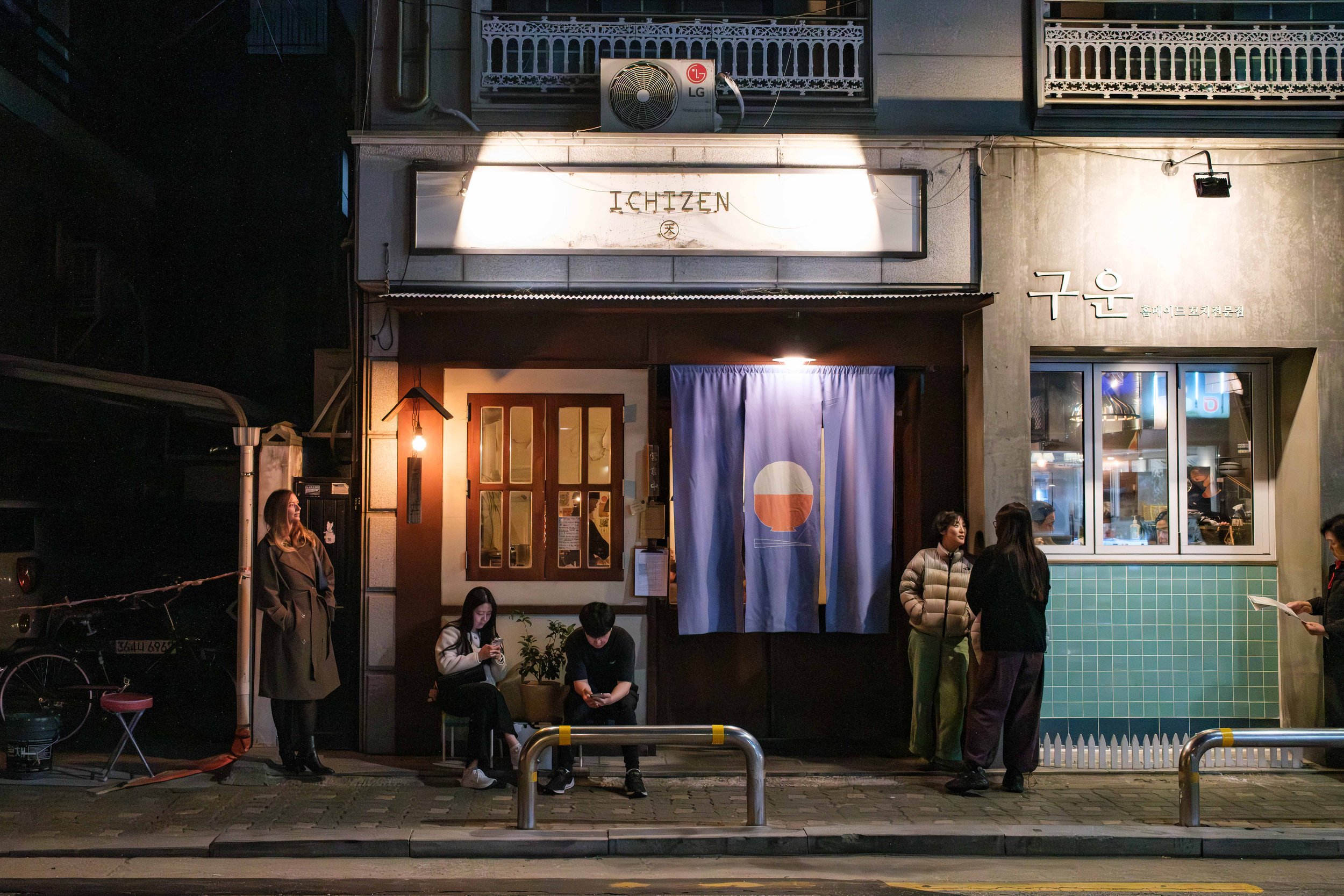
Seoul is one of the coolest cities we have ever visited, and our two-week stay in 2025 only confirmed that feeling. It is a place where layers of history sit comfortably alongside relentless modernity. One moment you are walking past a five-hundred-year-old palace gate, the next you are surrounded by neon, cutting-edge architecture, and some of the most advanced technology in the world.
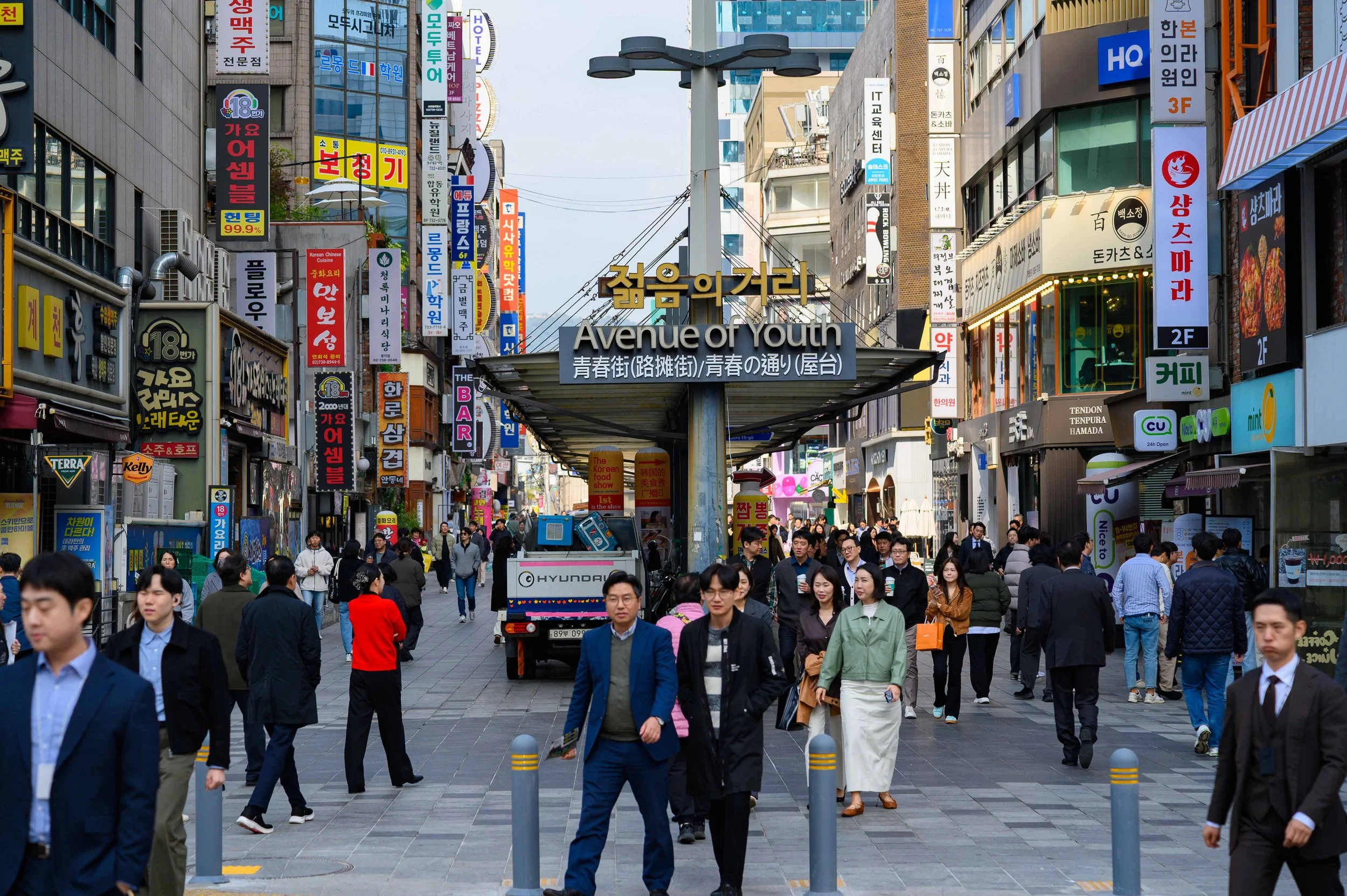
What makes Seoul so compelling is not just how fast it moves, but how deliberately it holds on to what came before.
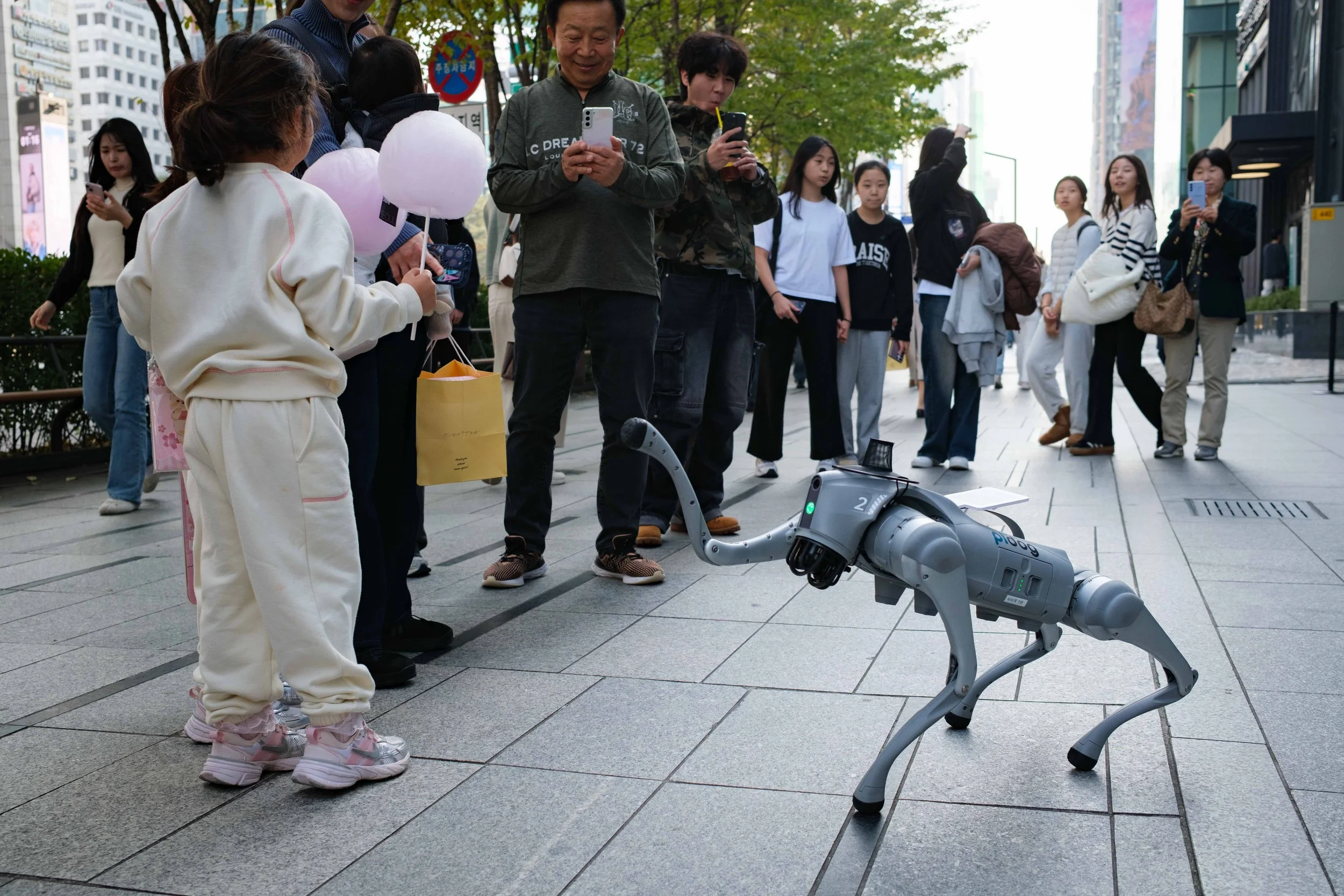
Koreans are global trailblazers in fashion, cinema, television, and music, and nowhere is that more visible than on the streets of the capital. Style matters here. Trends move quickly, and individuality is expressed with confidence and intent. Yet alongside this forward momentum is a deep affection for the classics. Independent bookshops thrive, vinyl records are collected with care, and traditional teahouses and neighbourhoods continue to shape daily life. Modern Seoul does not replace the old ways; it lives alongside them.
In this guide, we will start with a brief overview of Seoul’s history to provide context for what you see today. We will then share a handful of practical tips to help you get the most out of your visit. After that, we will dive straight into our list of the best things to do in Seoul. There are plenty, and this is a city that rewards curiosity, time on foot, and a willingness to wander beyond the obvious.
A Brief History of Seoul
If you came here for the recommendations and don’t care about history, just click here
For much of its history, Seoul has existed under the shadow of larger powers. The city rose to prominence during Korea’s dynastic periods, particularly under the Joseon Dynasty, when it became the political and cultural heart of the peninsula. Korea’s position between China and Japan shaped its fate for centuries, with influence, pressure, and periodic occupation from both. The most traumatic chapter came in the early twentieth century, when Korea was formally annexed by Japan from 1910 to 1945. Much of the country’s language, culture, and identity was suppressed, and Seoul itself was reshaped to serve colonial rule. Independence came after the Second World War, but it arrived hand in hand with division.
The Korean War in the early 1950s split the peninsula in two, placing Seoul just a short distance from one of the world’s most heavily fortified borders with North Korea. The city was destroyed and rebuilt multiple times during the conflict, and its rapid post war growth is inseparable from that experience. Today, South Korea is a thriving democracy and global cultural force, yet the unresolved relationship with the North continues to influence politics, security, and national identity. Tensions rise and fall periodically, but daily life in Seoul is remarkably normal, outward-looking, and optimistic. The result is a city that feels both resilient and restless, shaped by hardship but defined by its ability to reinvent itself.
The Best Things To Do In Seoul
Seoul is a vast, layered city, and even with two weeks here, we only scratched the surface. The scale of the city means there is an endless mix of experiences, from dense urban neighbourhoods and cultural landmarks to quieter suburbs and nature just beyond the centre.
The list below is based on what we experienced during our trip, combined with the research we did before and after visiting. It focuses on the things that stood out most to us and what we think gives the best sense of Seoul as a city, rather than trying to cover absolutely everything.
Visit The Royal Palaces
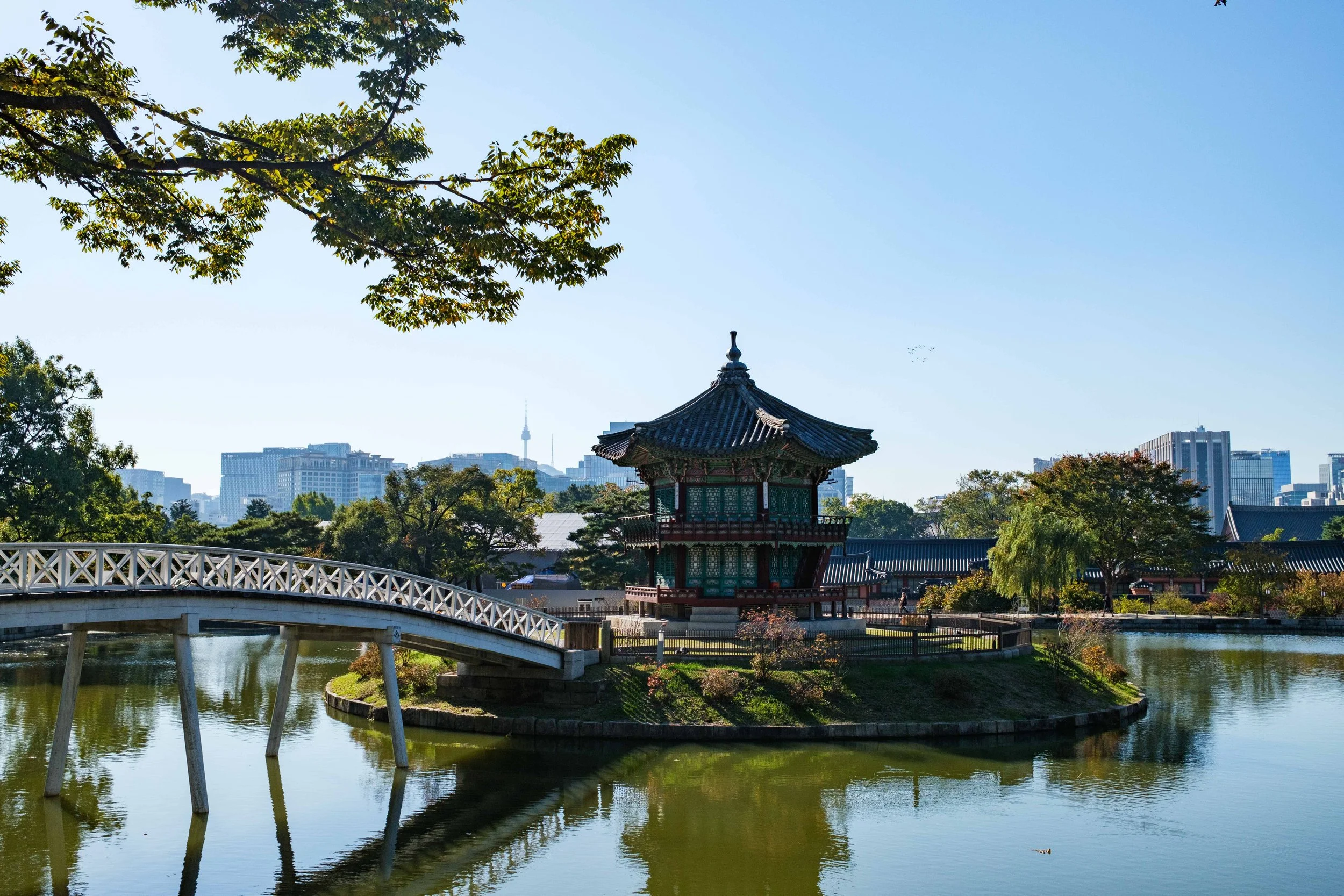
Seoul has five grand royal palaces built during the Joseon Dynasty, which are among the city's most important historical sites.
Gyeongbokgung Palace 경복궁
Changdeokgung Palace 창덕궁
Deoksugung Palace 덕수궁
Changgyeonggung Palace 창경궁
Gyeonghuigung Palace 경희궁
The two that attract the most visitors are Gyeongbokgung and Changdeokgung, both centrally located and easy to combine with other sightseeing. We visited Gyeongbokgung and found it to be an excellent introduction to Seoul’s royal history and scale.
Entry is cheap at around 3,000 KRW (roughly £1.50). You can enter for free if you rent a hanbok, and many people do this for photos, although that’s not really our thing.
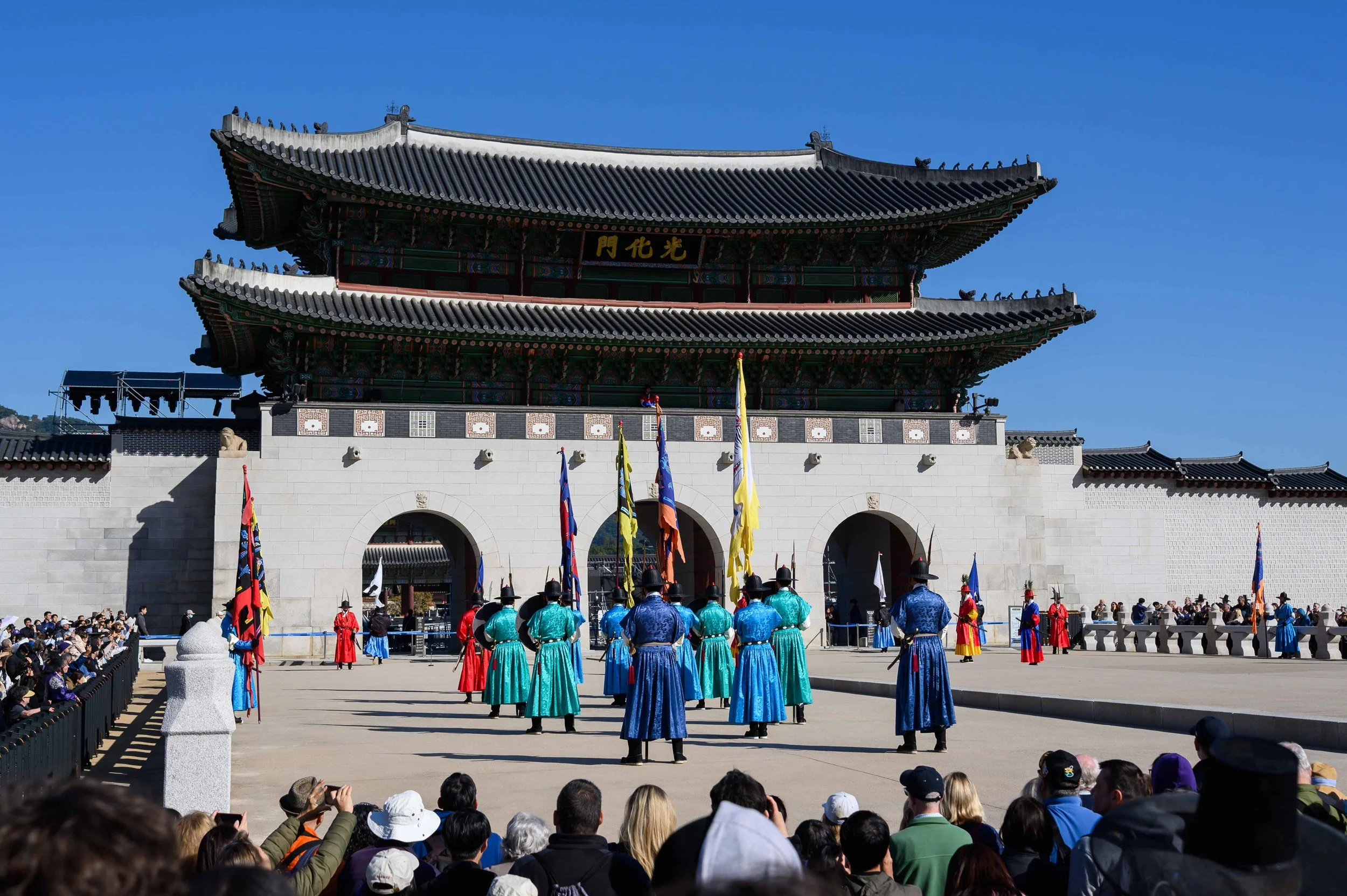
Arriving at opening time made a big difference for us, as there was no queue on arrival, while a very long line had formed by the time we left. We also watched the changing of the guard ceremony (at 11 am) at the main entrance, which was a real highlight and did not require a ticket, as it’s at the main gate before you go in.
If you plan to visit several palaces, it is worth buying the combination ticket. It costs 10,000 KRW and covers Gyeongbokgung, Changdeokgung, Changgyeonggung, Deoksugung, and Jongmyo Shrine. Gyeonghuigung is already free.
Stroll Through Bukchon Hanok Village
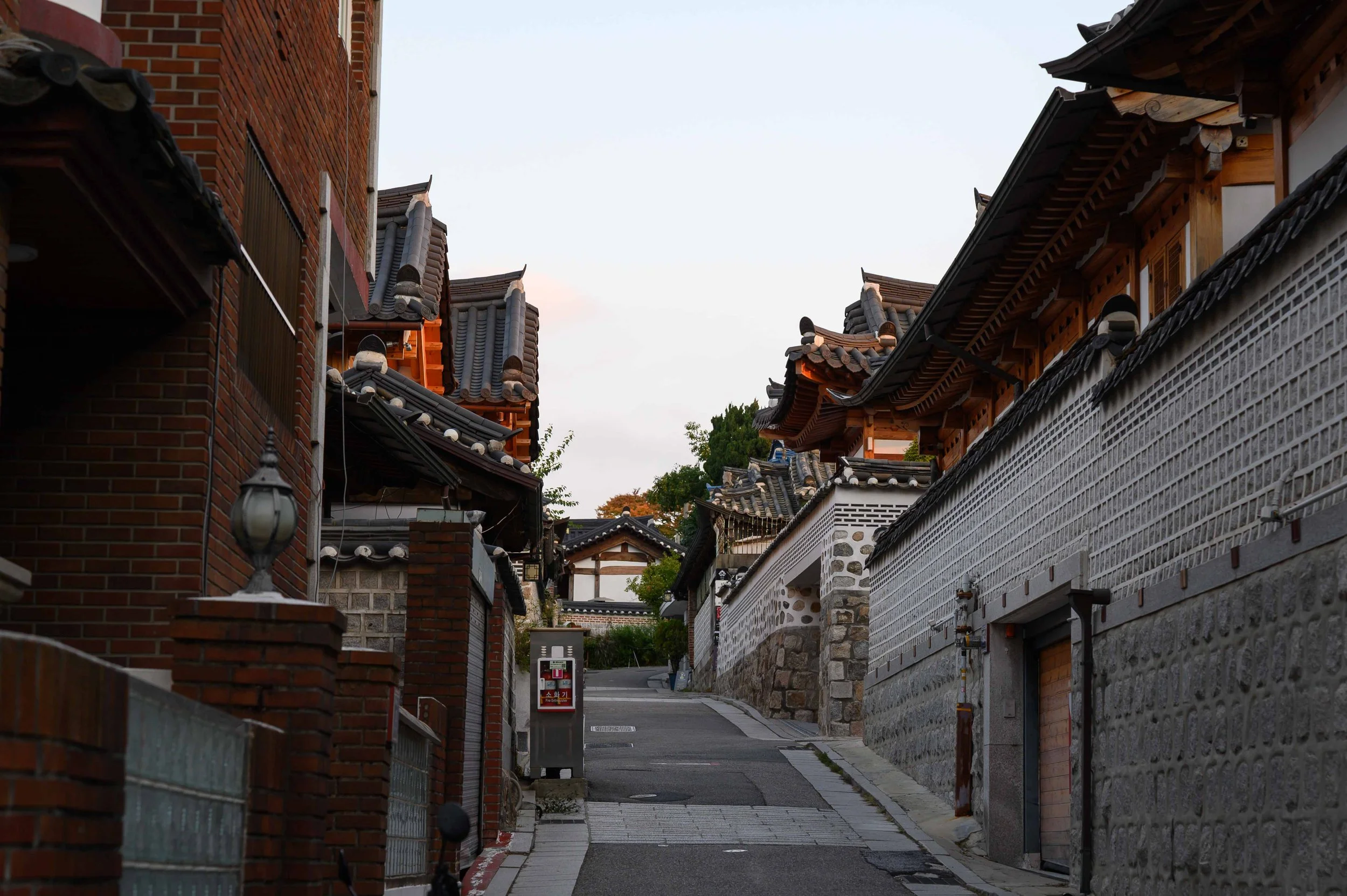
Bukchon Hanok Village is the largest and most well known hanok area in Seoul, and as a result it is also the most touristy. Located between the city’s main royal palaces, it is an easy stop on most itineraries and gives a clear picture of traditional Korean housing within a modern city. Because Bukchon is a residential neighbourhood, you can only go between 10 am and 5 pm, and visitors are expected to keep noise to a minimum.
Hanok are traditional Korean houses, typically built with wood, stone, clay, and paper, and designed to respond to the local climate. They use underfloor heating known as ondol for cold winters and open courtyards and wooden floors to stay cool in summer. Their layout often follows natural surroundings rather than imposing on them, which is why many hanok neighbourhoods feel calm and human-scaled despite being in the middle of a major city.
If you want to explore other hanok areas in Seoul, there are several good alternatives, many of which feel calmer or more local:
Seochon – A more lived-in area west of Gyeongbokgung, with traditional houses mixed in with cafés and small restaurants (we loved it here).
Ikseon-dong – A compact, lively area where hanok buildings house trendy cafés and bars
Namsangol Hanok Village – A curated, museum-style village with restored houses and cultural displays
Eunpyeong Hanok Village – A quieter, more spacious area showing how hanok architecture is used in modern housing
Hike up to the N Seoul Tower (Namsam Tower)
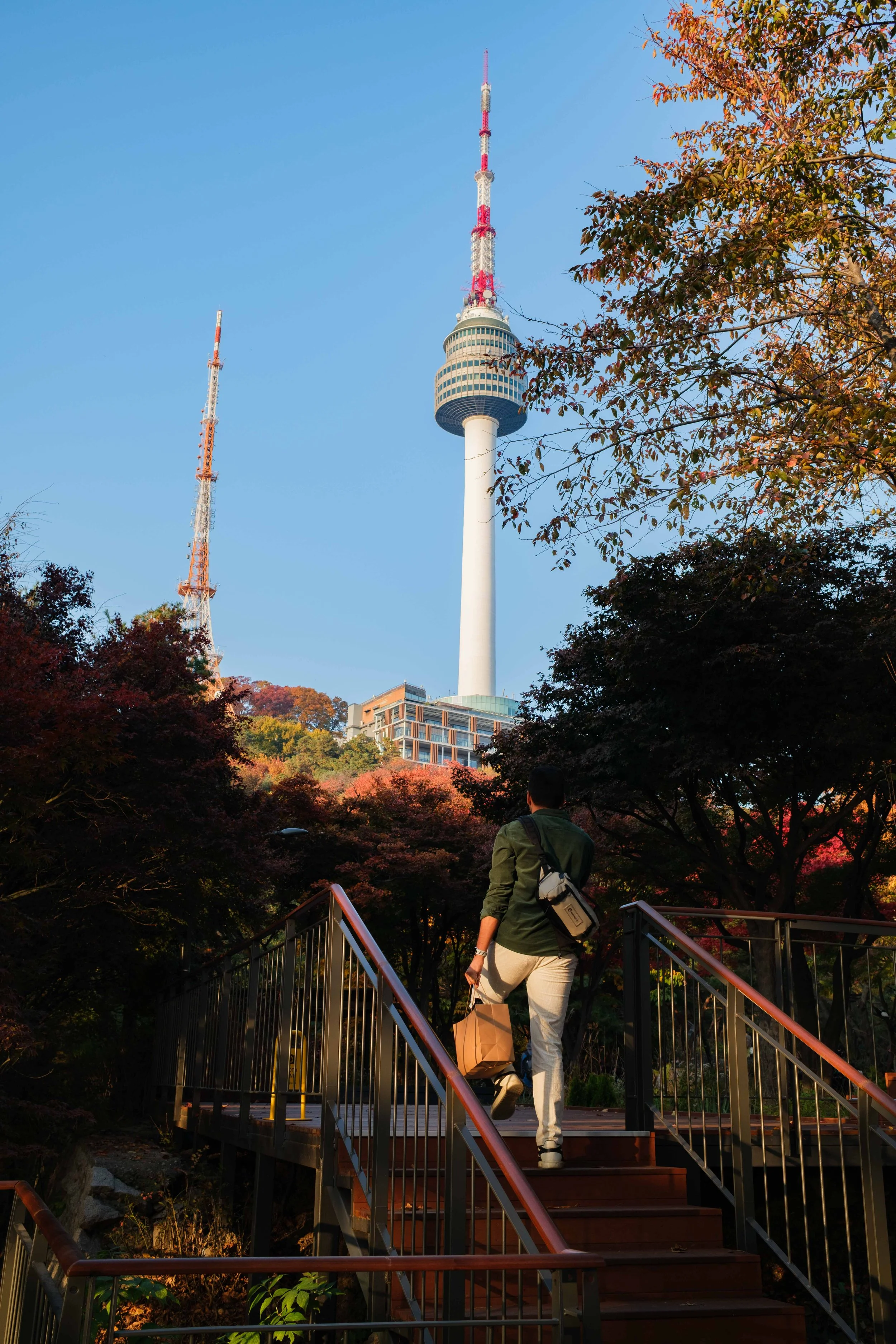
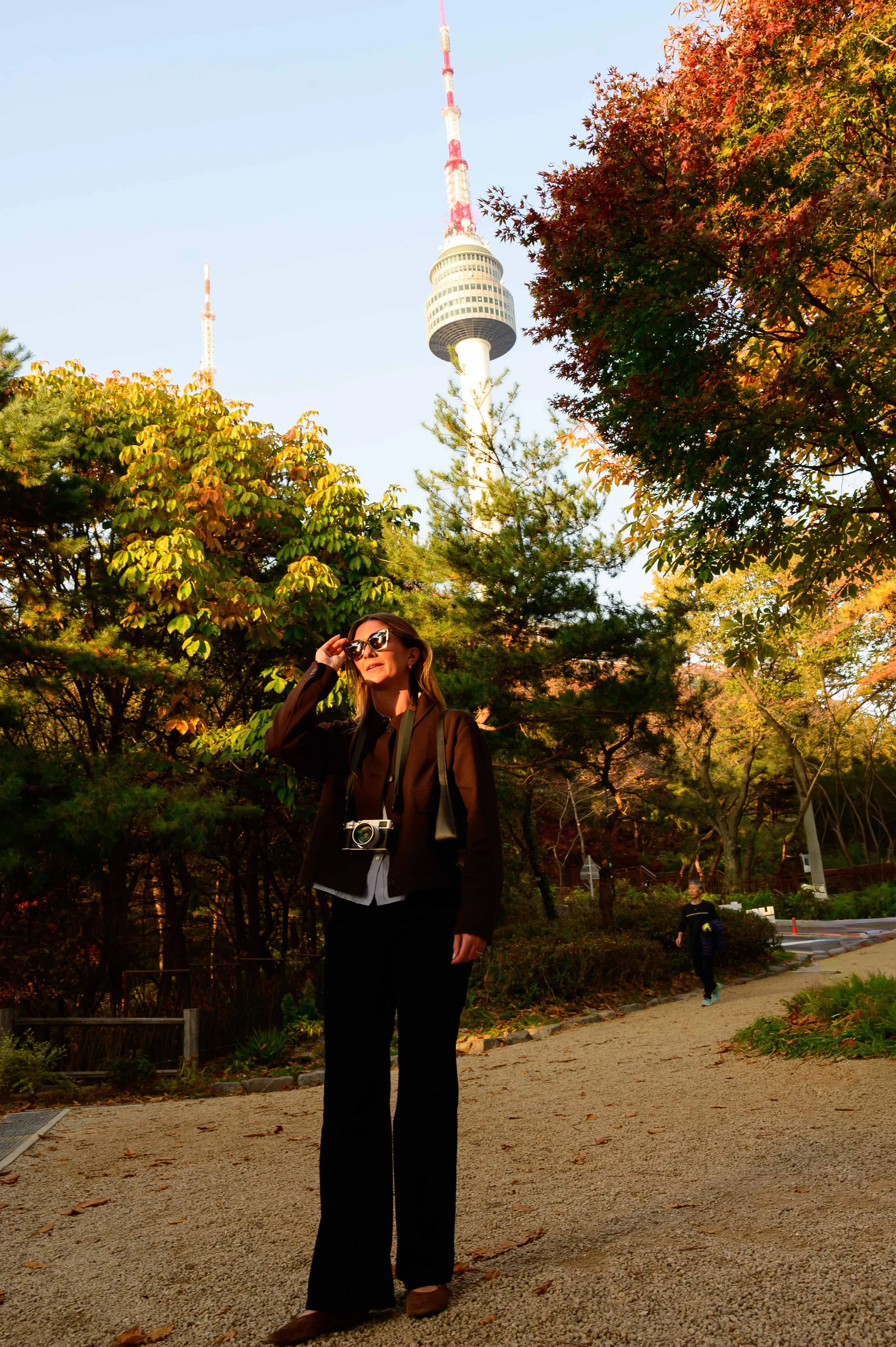
Hiking up to N Seoul Tower is one of the best ways to get a sense of Seoul’s scale.
From Myeongdong Station, the walk takes around an hour using a series of staircases and paths that climb steadily through Namsan Park. The route is surprisingly green, with shaded trails and viewpoints along the way, and it feels far removed from the busy streets below. For the views and pictures, time your hike so you get to the top of Namsam Park for sunset!
The tower itself was Korea’s first multipurpose radio and television transmission tower and still plays a key role in broadcasting across the city. Today, it is also one of the city’s most recognisable landmarks. At the top and around the base, you will find cafés and restaurants, including a revolving restaurant that completes a full rotation as you eat, slowly revealing the city in every direction.
There is no fee to access the tower grounds or the outdoor observation areas, and for most visitors, the free viewing platforms around the base provide more than enough for panoramic views. If you want to go right to the top, the indoor observatory costs 21,000 won per person.
If hiking is not appealing, you can also reach the tower by taxi, bus, or via the Namsan Cable Car, which runs up the mountain from the lower slopes.
Visit the DMZ and North Korea Border
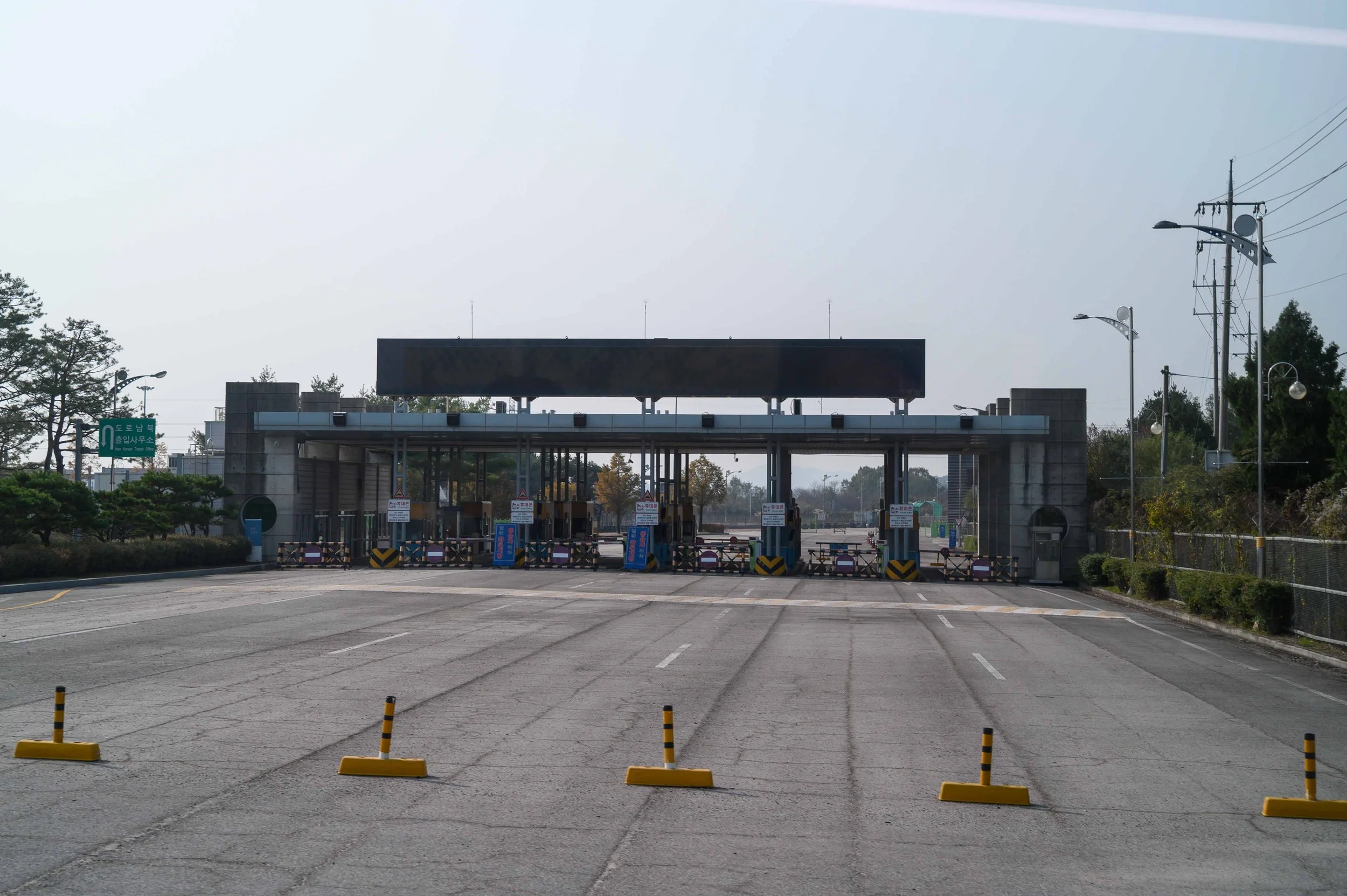
A visit to the Korean Demilitarised Zone is one of the most powerful and informative experiences you can have while travelling in South Korea. Sitting just outside Seoul, the DMZ offers direct insight into the country’s modern history and the ongoing division of the Korean peninsula. It provides context that you simply cannot grasp from museums or books alone.
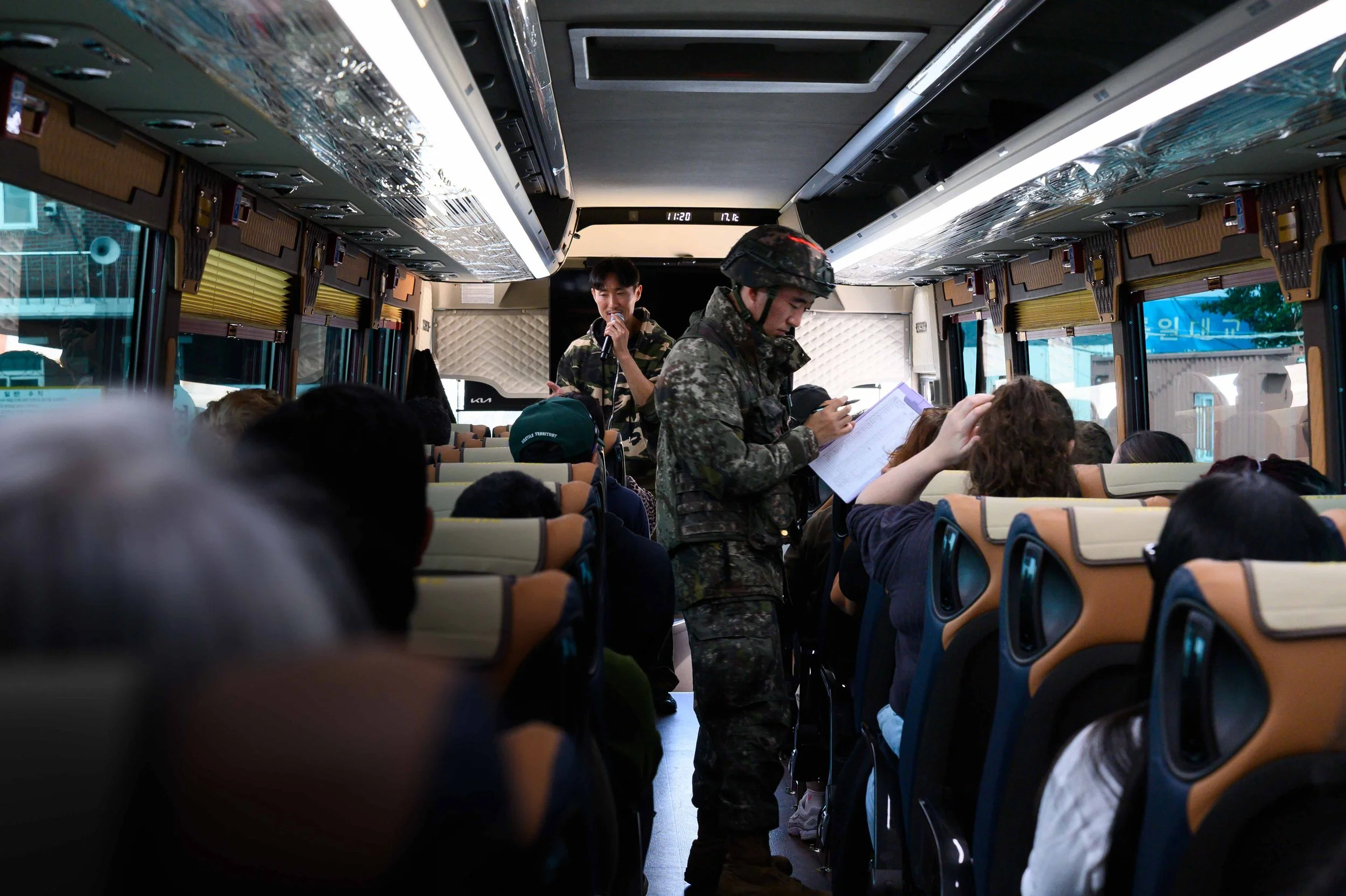
You have to book a guided tour to visit the DMZ, as independent access to both the DMZ and the Civilian Control Zone is not permitted. Tours start early in the morning and usually take most of the day. A good guide makes a huge difference, explaining the background of the Korean War, the political tensions that followed, and how the division continues to shape daily life.
Most tours include visits to key sites such as the observatory, where you can look out across into North Korea, offering a rare and sobering perspective on one of the world’s most unusual and unresolved borders.
Run or Relax along the Cheonggyecheon Stream
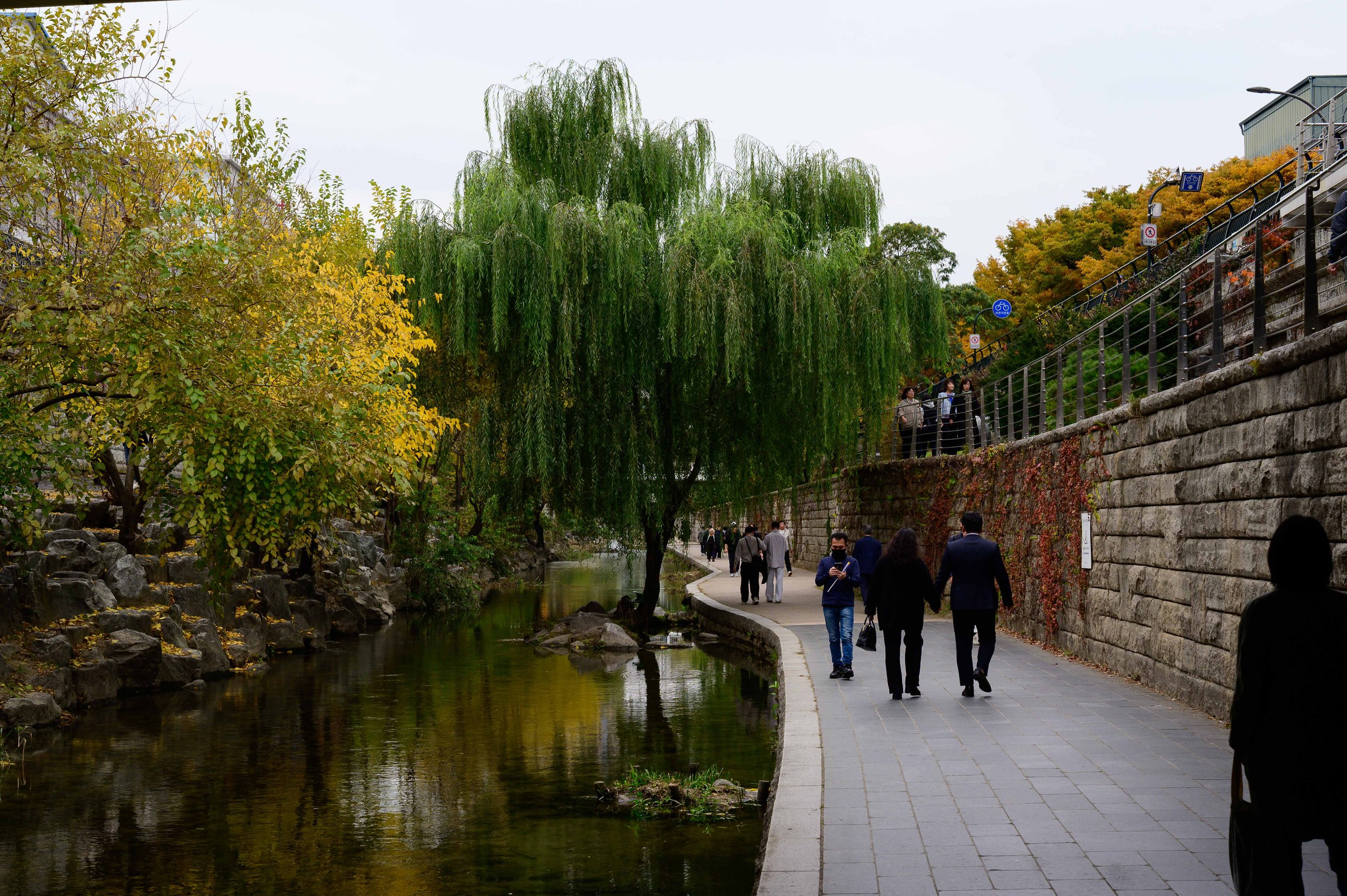
Cheonggyecheon is one of Seoul’s most impressive examples of urban regeneration. The stream runs for nearly 11 kilometres through the city centre, following a route that was once buried beneath an elevated motorway. In the early 2000s, the highway was removed and the waterway restored, transforming what had been one of the most congested parts of the city into a calm pedestrian corridor.
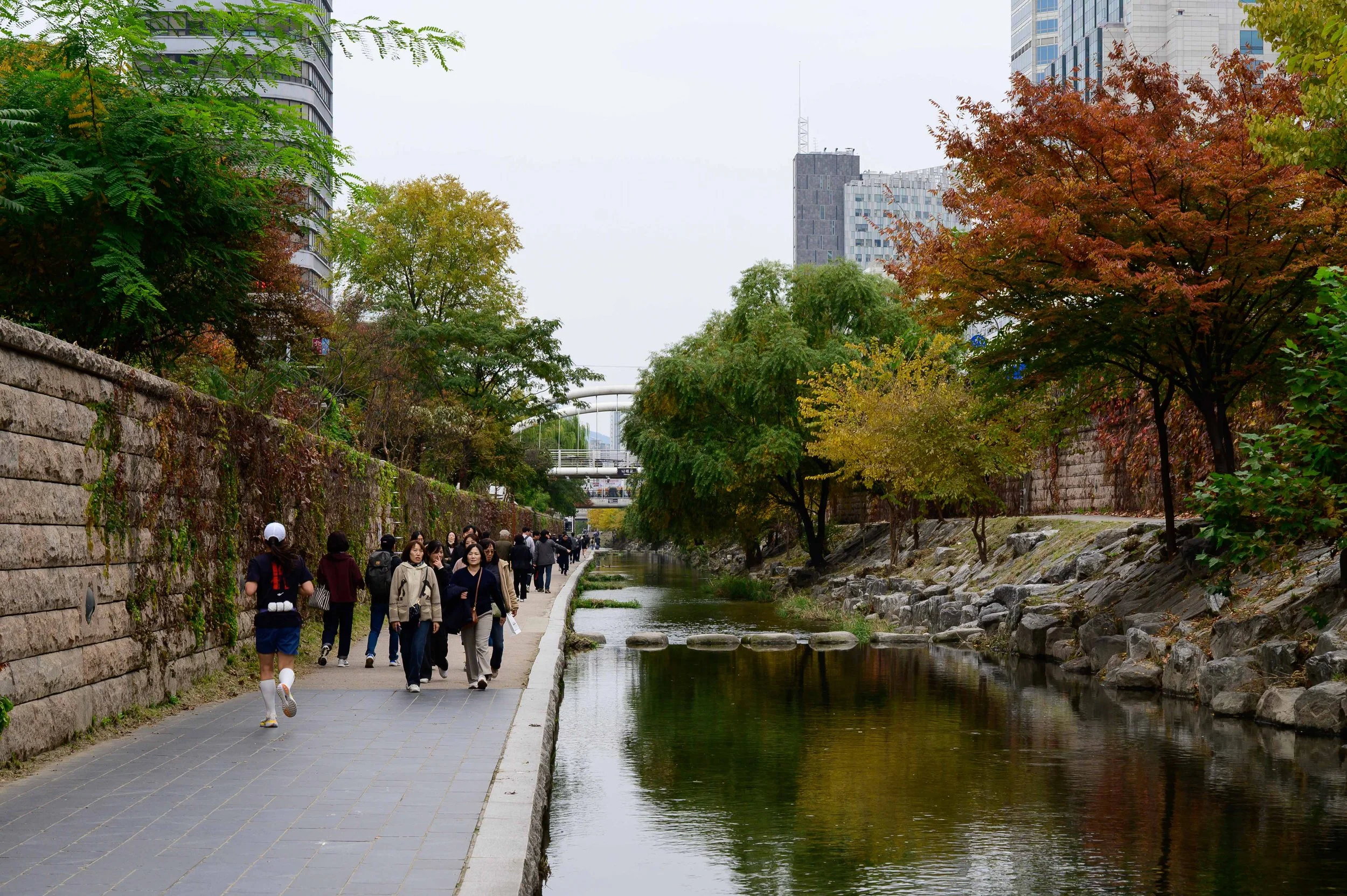
Today, Cheonggyecheon acts as a green ribbon cutting through downtown Seoul. Stone walkways follow the flowing water past public art installations, small waterfalls, and pockets of seating, offering relief from the surrounding traffic and skyscrapers. It is especially atmospheric in the evening when the lighting comes on, and the city noise fades into the background. Easy to access and completely free, it is a simple but memorable way to experience Seoul’s ability to reimagine its urban space.
Go Shopping in Seongsu
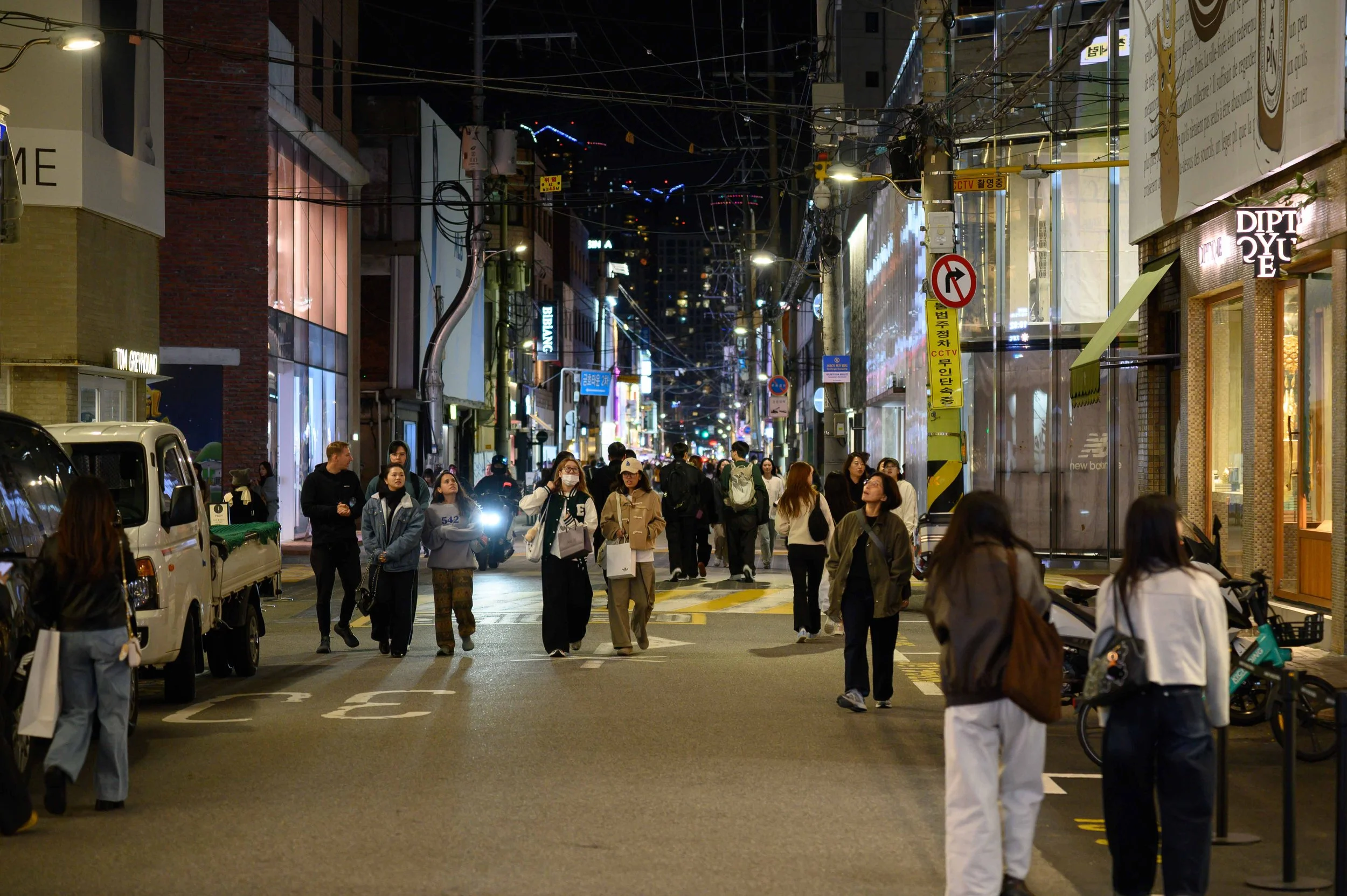
Seongsu is one of Seoul’s trendiest neighbourhoods and is often compared to areas like Shoreditch (London) or Brooklyn (New York). Once an industrial zone filled with shoe factories and warehouses, it has been transformed into a creative district while keeping much of its raw concrete character. You will find plenty of stylish cafes, concept stores, fashion studios and rotating pop-ups here.
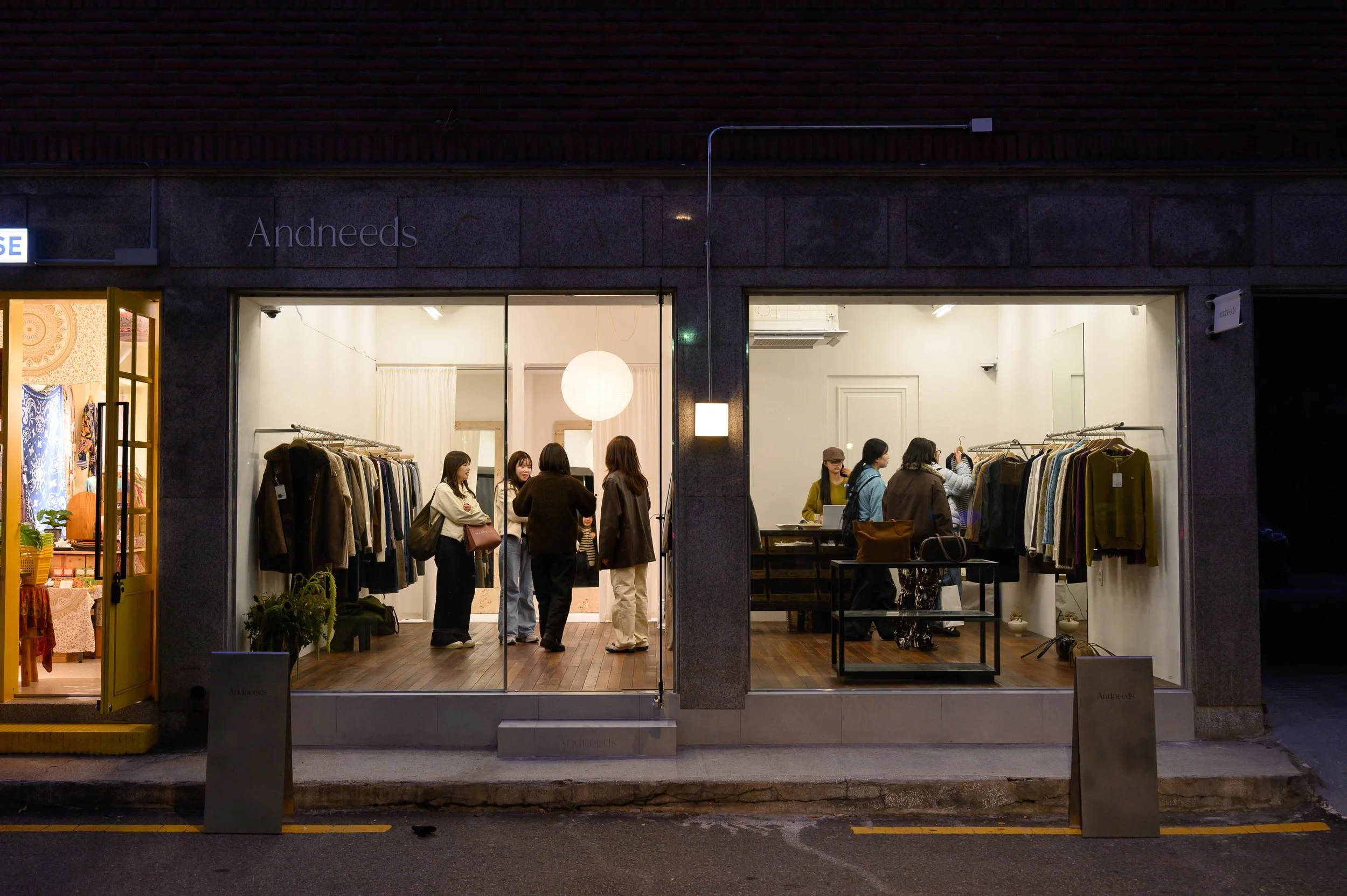
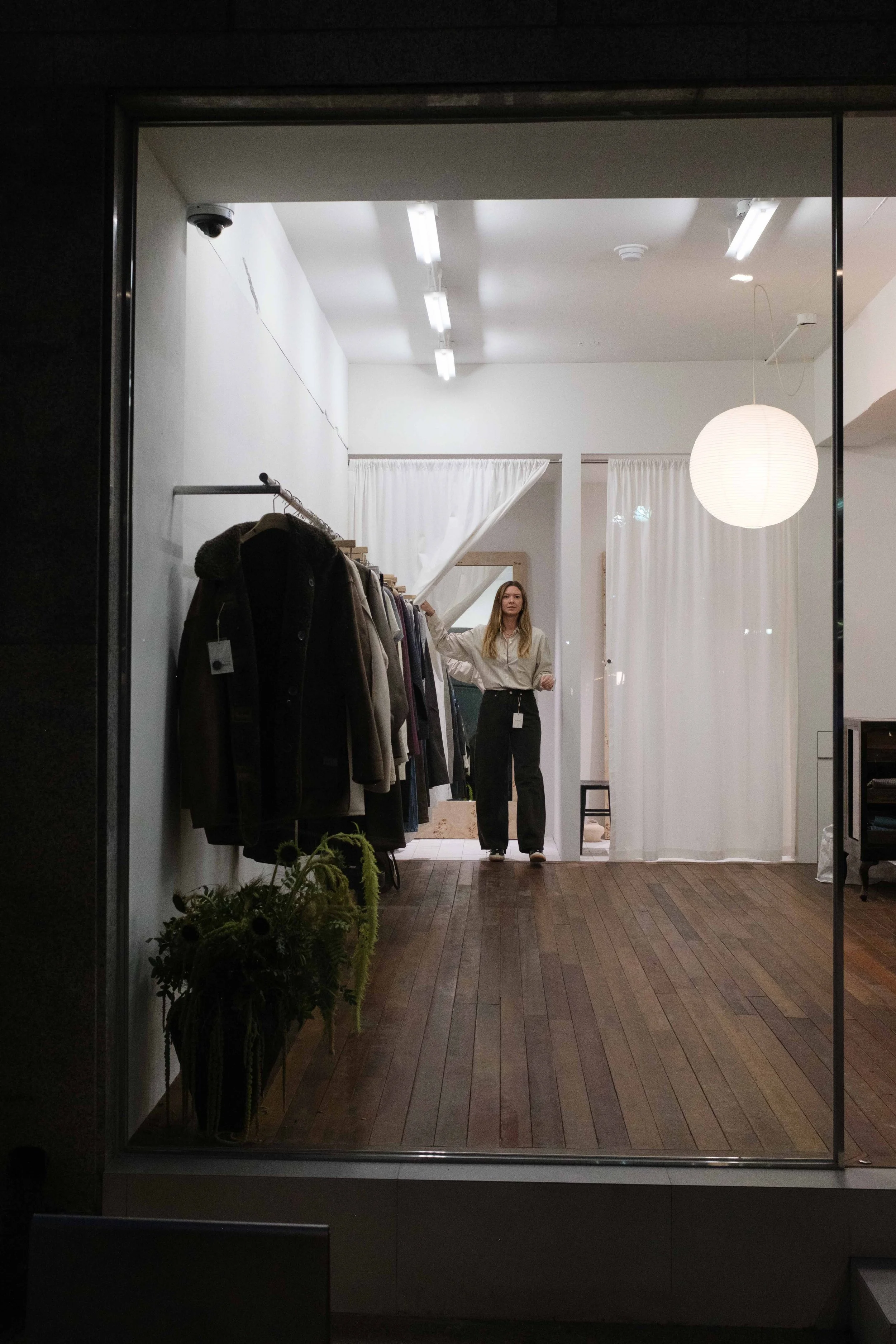
This neighbourhood represents what you think of when you think about modern Korean culture. It’s also right next to Seoul Forest, so you can combine a visit with a walk in one of the city’s best green spaces.
Explore Seoul’s Neighbourhoods
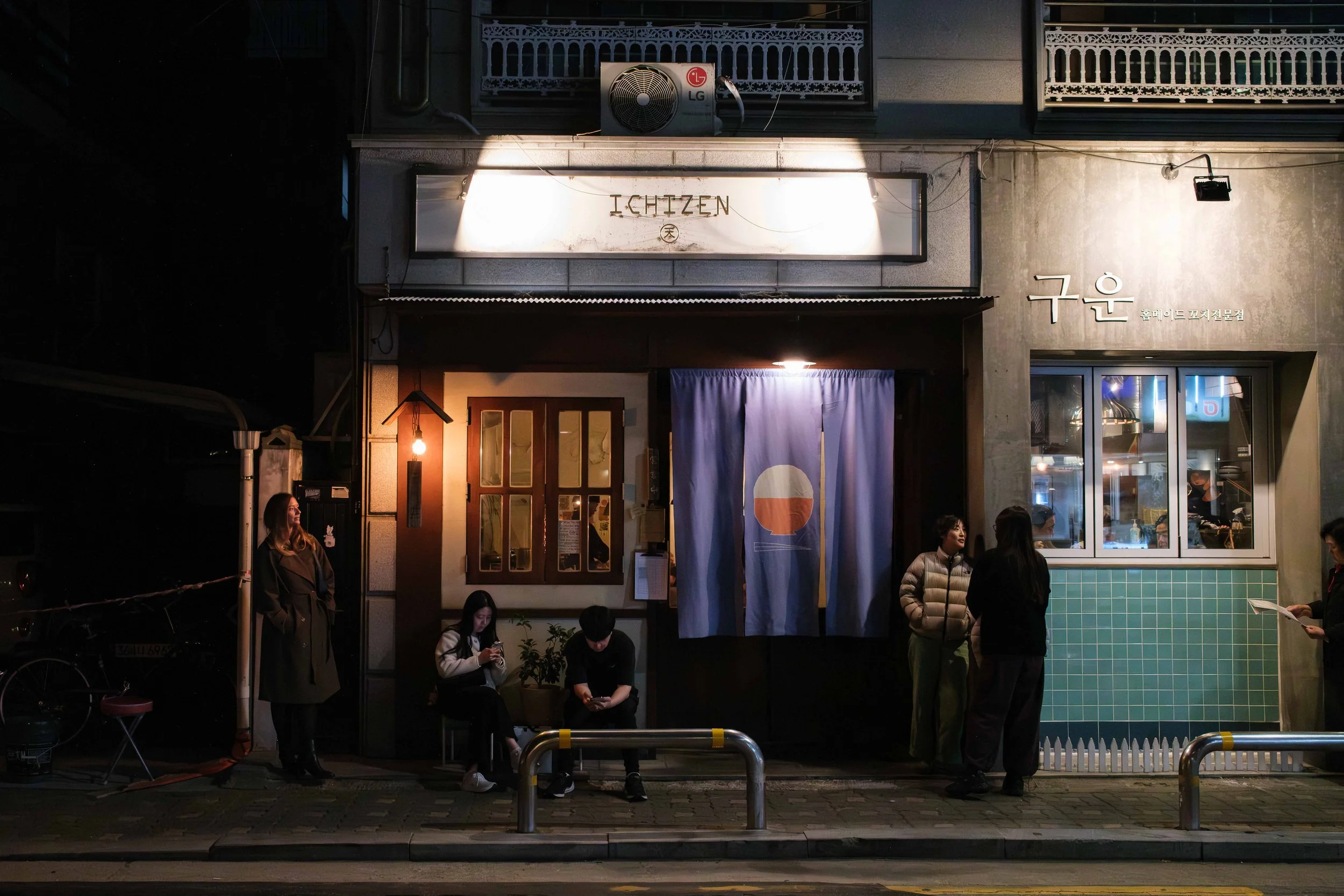
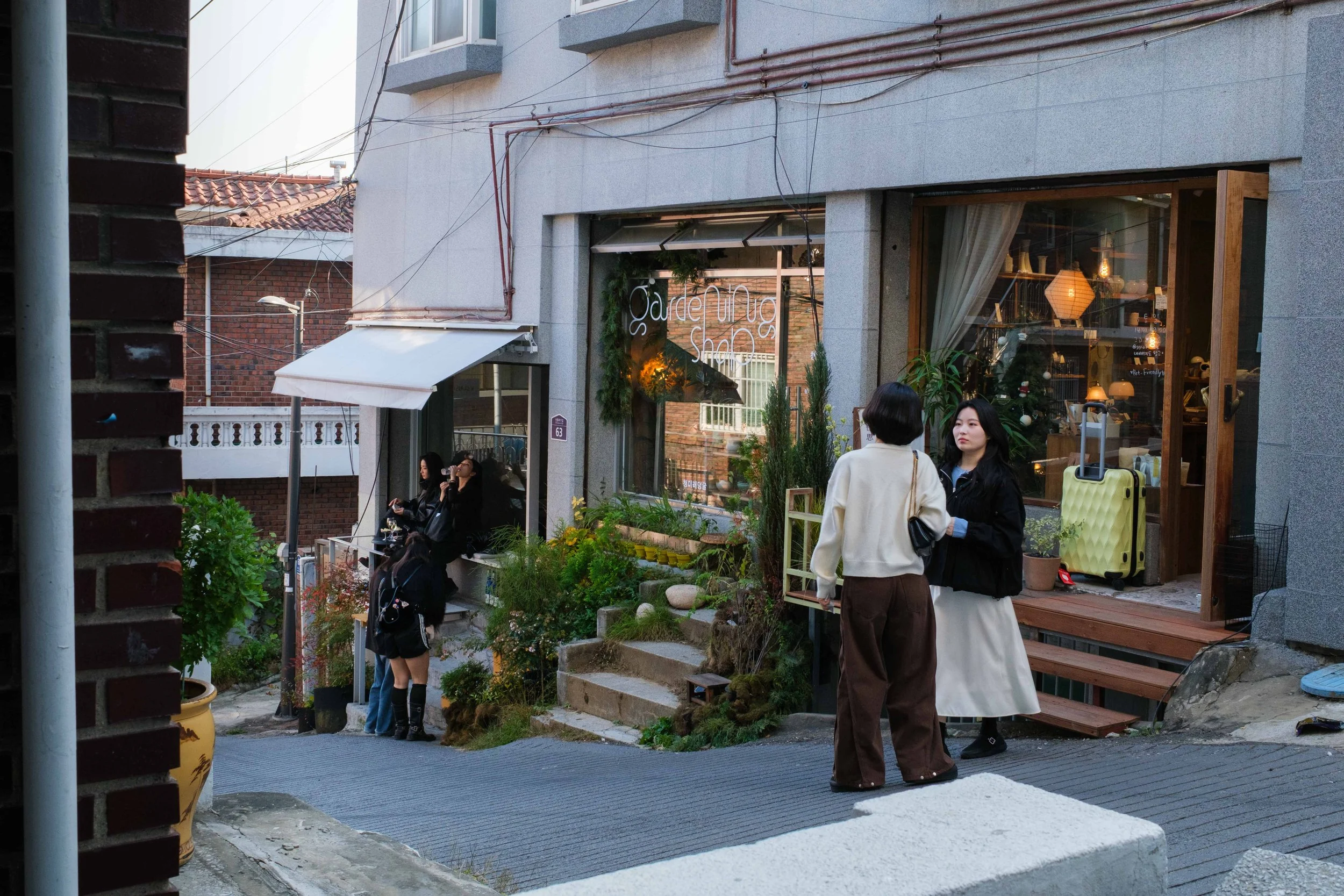
One of the best ways to experience Seoul is by choosing a neighbourhood and simply spending a few hours wandering. Each area has its own personality, from historic streets and hanok houses to creative districts full of cafes, bars and independent shops. Rather than rushing between landmarks, we found that slowing down and exploring different neighbourhoods gave us a much better feel for the city.
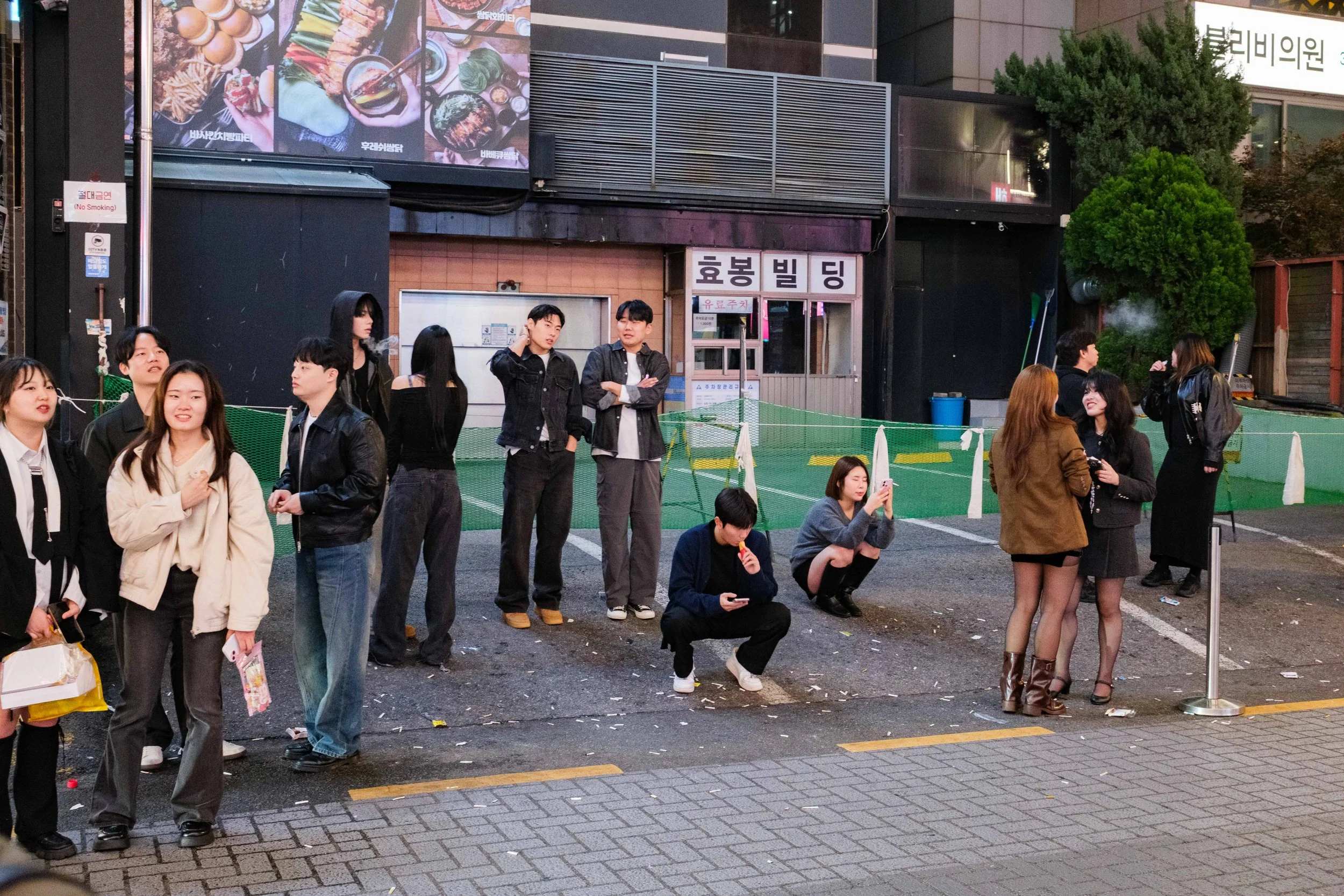
Some of our favourites include:
Myeong-dong - The main central district of Seoul, known for its busy streets, cosmetics shops and night market-style street food. Very touristy and lively, especially in the evenings (we didn’t spend much time here).
Seongsu - One of Seoul’s trendiest areas. Former factories and warehouses have been converted into large cafes, fashion pop-ups and concept stores. Busy, creative and very fashionable. If you imagine modern Korean culture, this is it.
Itaewon-dong and Yongsan-dong - Two neighbouring areas south of Namsan Park. Itaewon is international and food-focused with lively nightlife, while Yongsan feels more residential and cultural with plenty of food but a slower pace.
Hannam-dong - One of our favourite areas in Seoul to spend an evening. Smaller and calmer, but packed with excellent wine bars, LP bars and boutique shops. We were told by a local that this is where Seoul’s “cool” crowd actually hangs out.
Hongdae - A youthful neighbourhood near the university. Expect street performers, indie shops, LP bars, late-night food spots and some of the best nightlife in the city.
Seochon - Just west of Gyeongbokgung Palace, Seochon is full of hanok houses, quiet streets, small restaurants and independent shops. It feels like a hidden pocket of the city, and you can also access Inwangsan Mountain Park from here for a nice walk and lovely views.
Insadong - A more traditional district in the centre known for tea houses, galleries, crafts and classic Korean restaurants. A nice contrast to Seoul’s modern neighbourhoods.
Gangnam - Famous for its glossy image, Gangnam is filled with high-rise buildings, luxury hotels, restaurants and high-end skincare and beauty clinics. It feels more corporate and spread out, but still interesting to experience.
Explore Seoul's Markets
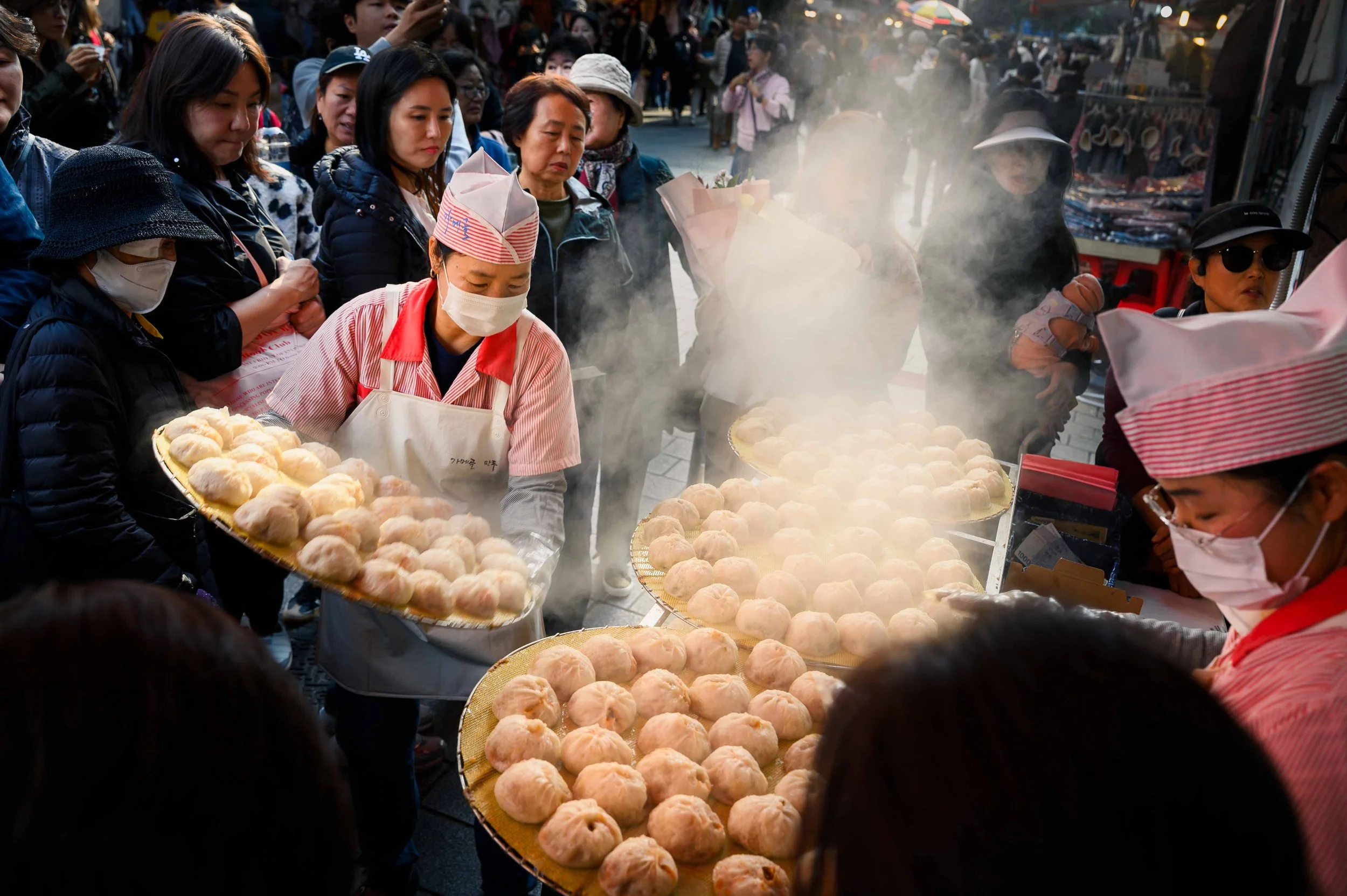
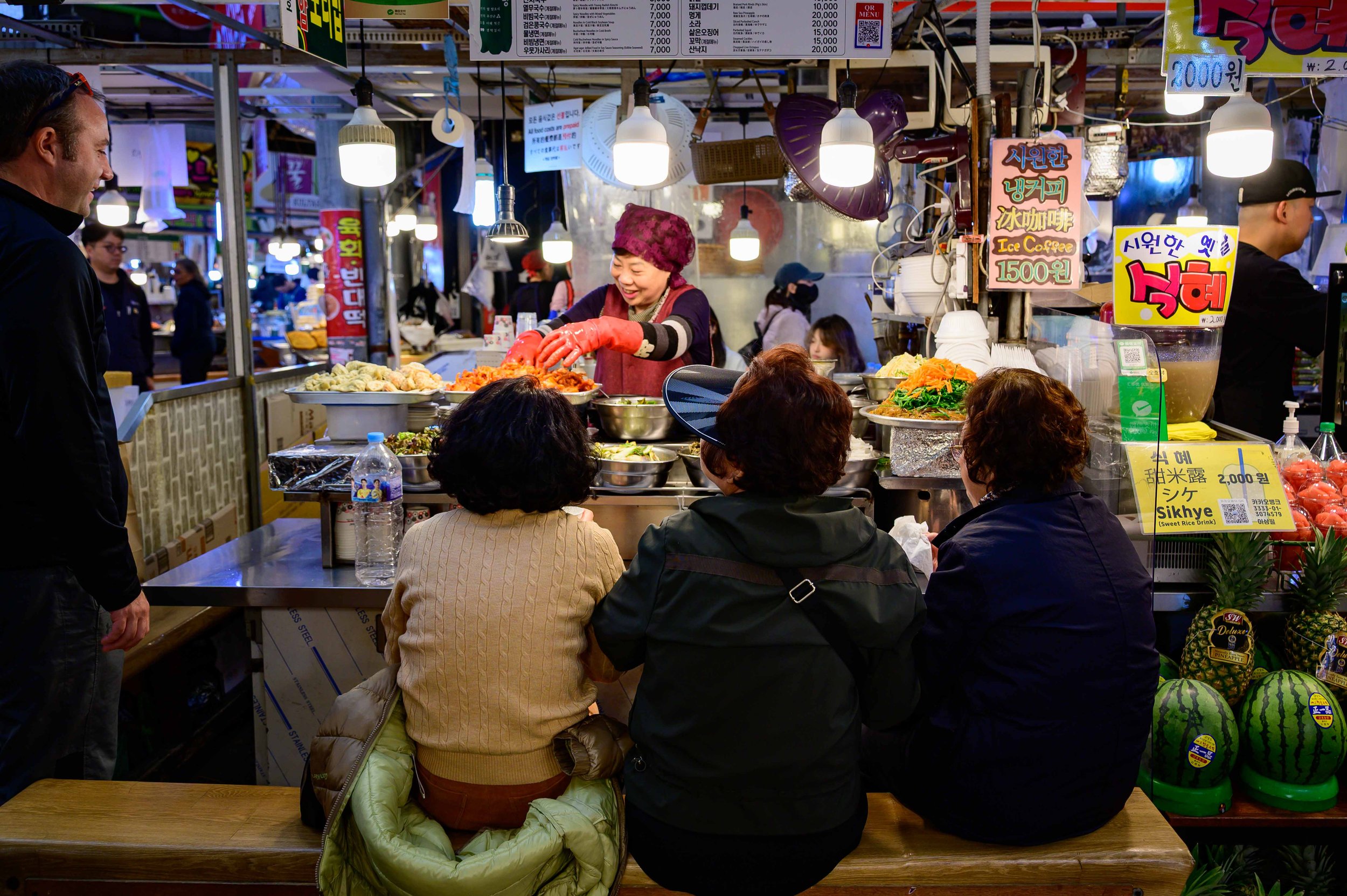
Markets are one of the best ways to experience everyday life in Seoul. Some are huge and chaotic, others small and local, but they all offer incredible food and a glimpse into how the city really functions.
Gwangjang Market - One of Seoul’s oldest and largest traditional markets with over 5,000 vendors. Famous for street food, night market tours, and the Netflix-featured noodle stall. A must visit for first timers.
Namdaemun Market - A sprawling market near the city centre, best known for its Kalguksu Alley. Loud, busy, and full of tiny restaurants serving handmade noodles at incredible speed.
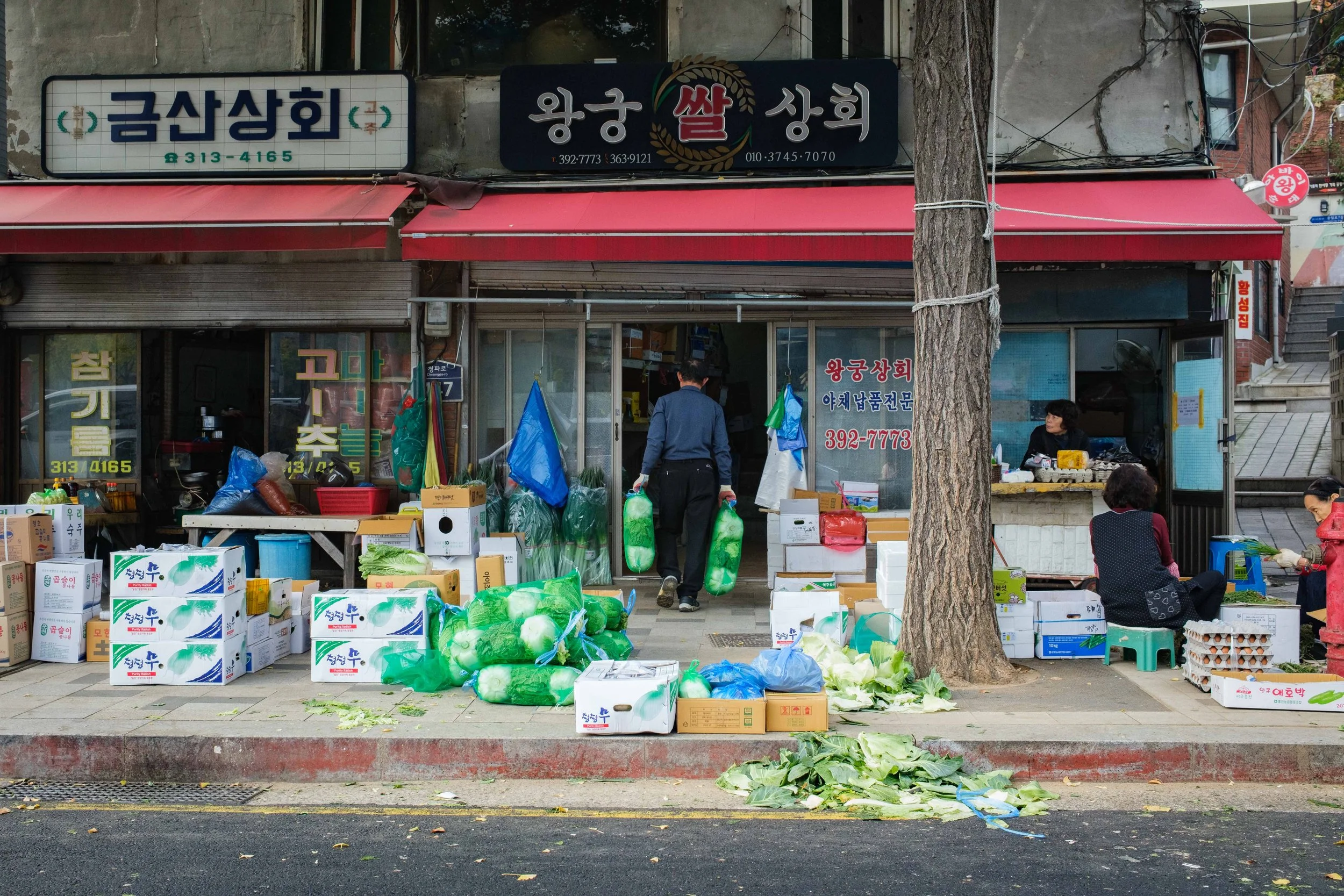
Gyeongdong Market - Located in eastern Seoul and far less touristy. Known for herbal medicine, fresh produce, and traditional ingredients used in Korean cooking.
Mangwon Market - The meat market. You can buy premium Hanwoo beef from the butchers and take it upstairs to a barbecue restaurant to grill it yourself at the table, Korean style. Highly recommend!
Myeongdong Night Market - Extremely busy and very touristy, but still fun for the atmosphere. Focuses heavily on street food and snacks rather than everyday shopping.
Noryangjin Fisheries Wholesale Market - Seoul’s main seafood market. Visit early in the morning to see live tuna and seafood auctions, or later in the day to choose fresh fish and have it prepared upstairs.
Tongin Traditional Market - A smaller, more laid-back market famous for its coin lunch system, where you exchange cash for brass coins and sample dishes from multiple stalls.
Dongdaemun Market - A massive wholesale and retail fashion district that operates late into the night. Popular for clothing, fabrics, and trend-driven Korean fashion.
Yongsan Electronics Market - The city’s long established hub for electronics, cameras, computer parts, and tech accessories.
You will also come across countless small neighbourhood markets while exploring Seoul, so you are never far from street food or local vendors.
Market tours are another great option if you want deeper insight. We joined one with Dan Lee Gray in a completely local market around 40 minutes outside central Seoul, and it ended up being one of our favourite experiences of the trip.
Eat Lots of Korean Food
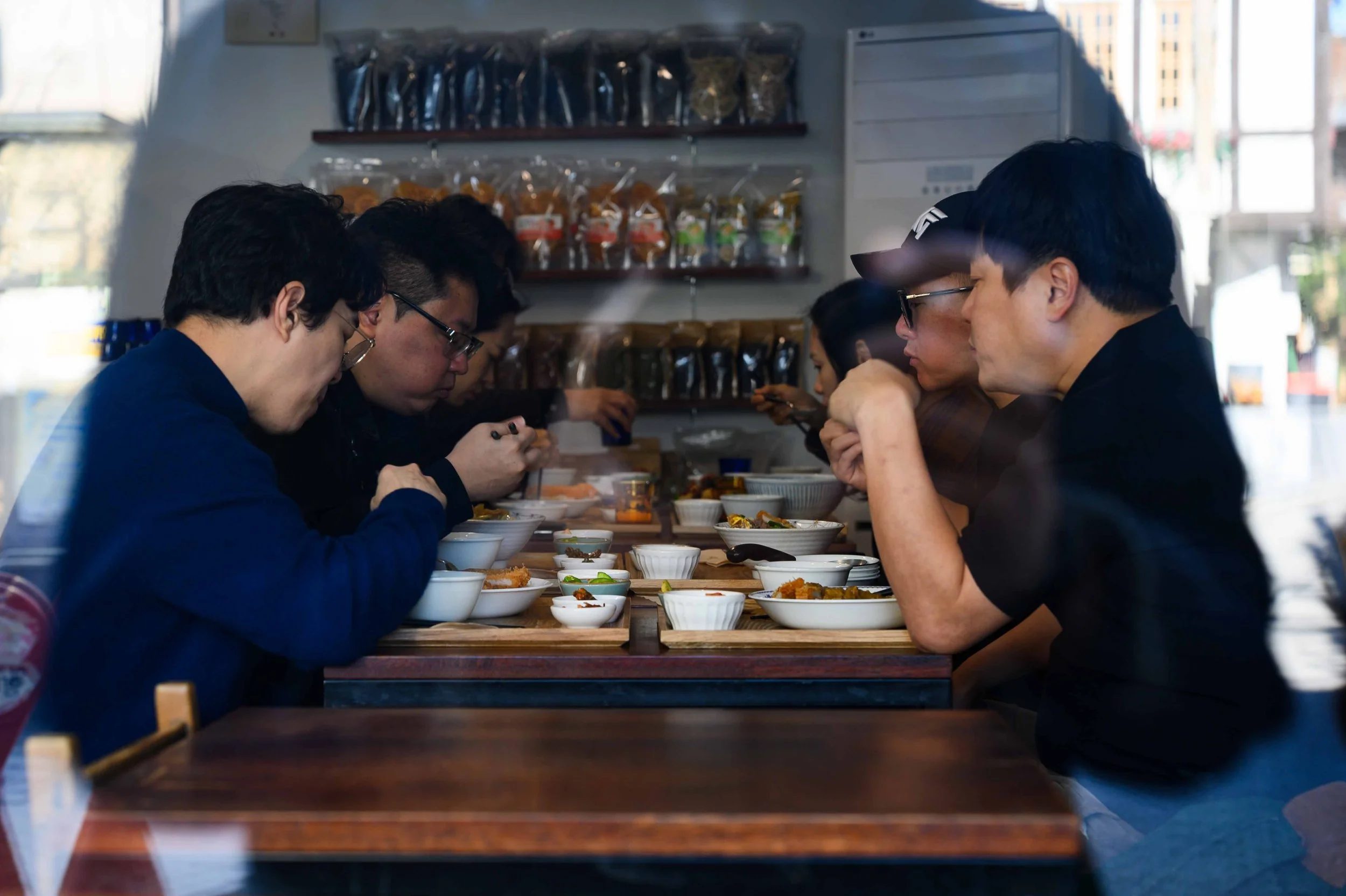
Seoul offers an extraordinary range of eating experiences, from deeply traditional dishes that have remained unchanged for generations to modern creations shaped by street culture, social media, and late-night eating habits.
Some traditional Korean flavours can feel unfamiliar to Western palates at first, with heavy use of fermentation, chilli, and savoury depth, while newer dishes are often bold, playful, and instantly addictive.
We will be publishing a full Korean food guide separately, but for now, these are some of our favourite things you should try during your trip:
Tteokbokki - Chewy rice cakes cooked in a spicy, slightly sweet gochujang sauce. One of Korea’s most iconic street foods.
Fish cakes (Eomuk or Odeng) - One of the most common street foods you will see across Seoul, especially at markets and subway exits. Fish paste is shaped onto skewers and simmered in a light anchovy broth.
Salt bread - A Japanese-inspired trend that has taken over Seoul’s bakeries. Soft, buttery rolls finished with flaky salt.
Hotteok - A sweet street snack filled with brown sugar, nuts, and seeds, especially popular in winter.
Korean BBQ - Grilled meats cooked at your table, usually paired with endless banchan and wrapped in lettuce with sauces.
Noodle dishes - From cold buckwheat naengmyeon to knife-cut kalguksu and spicy ramyeon, noodles appear in countless forms.
Fried chicken - Ultra crispy and double-fried. Have some in a traditional beer house with draught beer, or even from 7 Eleven for a surprisingly good late-night option.
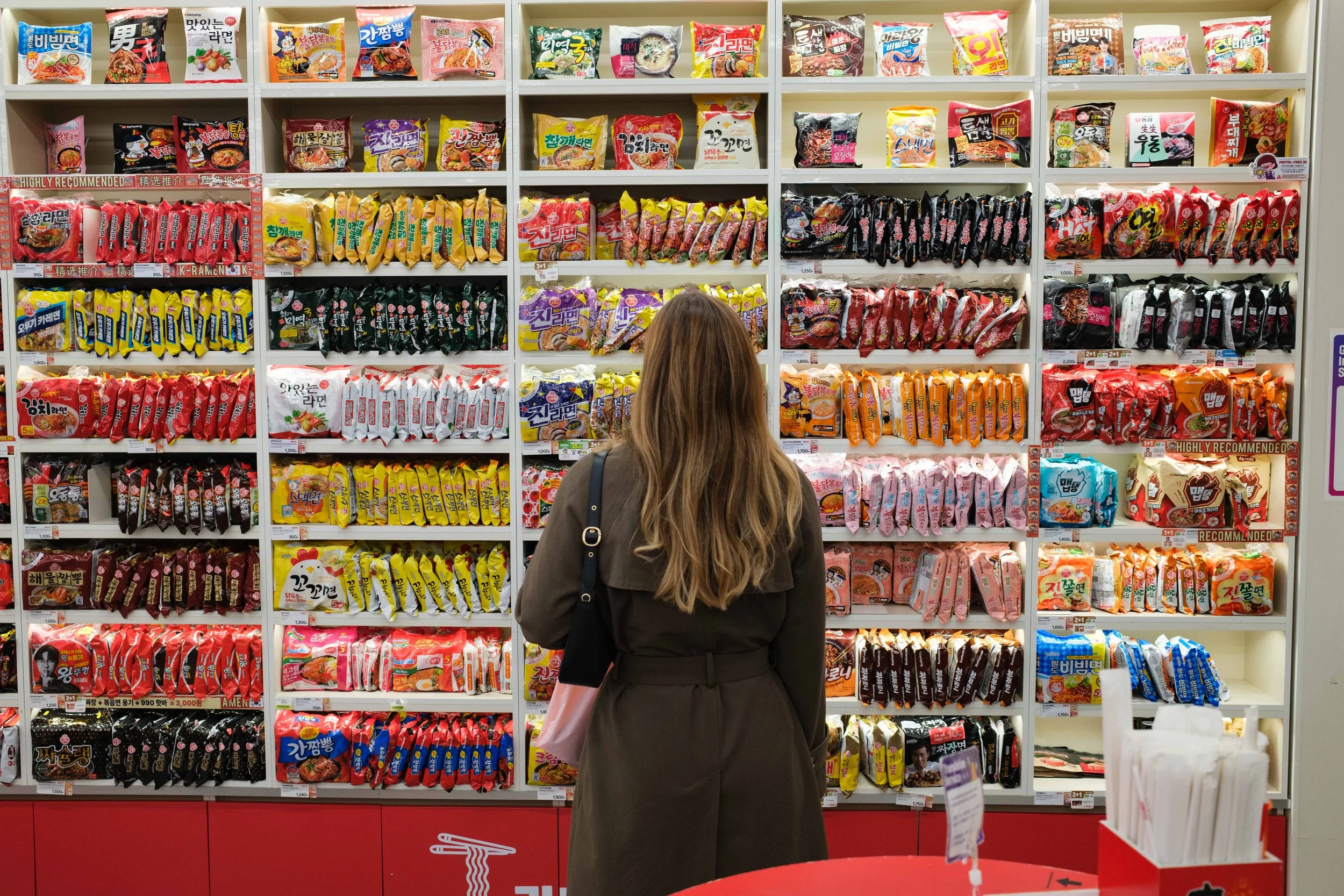
Convenience store ramyeon - Choose your noodles, add toppings, and cook them on the spot. A classic Korean experience.
Gimbap - Seaweed rice rolls filled with vegetables, egg, and meat or tuna. Perfect for quick meals or picnics.
Bibimbap - A bowl of rice topped with vegetables, meat, chilli paste, and a fried egg, mixed together before eating.
Mochi pancakes - Crispy on the outside and chewy inside, often served in cafés and brunch spots.
Shabu shabu - Thinly sliced meat cooked quickly in simmering broth at the table, usually followed by noodles or rice.
Mandu - Korean dumplings, either steamed, fried, or added to soups.
Bulgogi - Thin slices of marinated beef grilled or stir-fried, sweet, smoky, and very approachable for first-timers.
Ginseng chicken soup - Known as samgyetang, a whole young chicken stuffed with rice, ginseng, and herbs, traditionally eaten for strength and recovery.
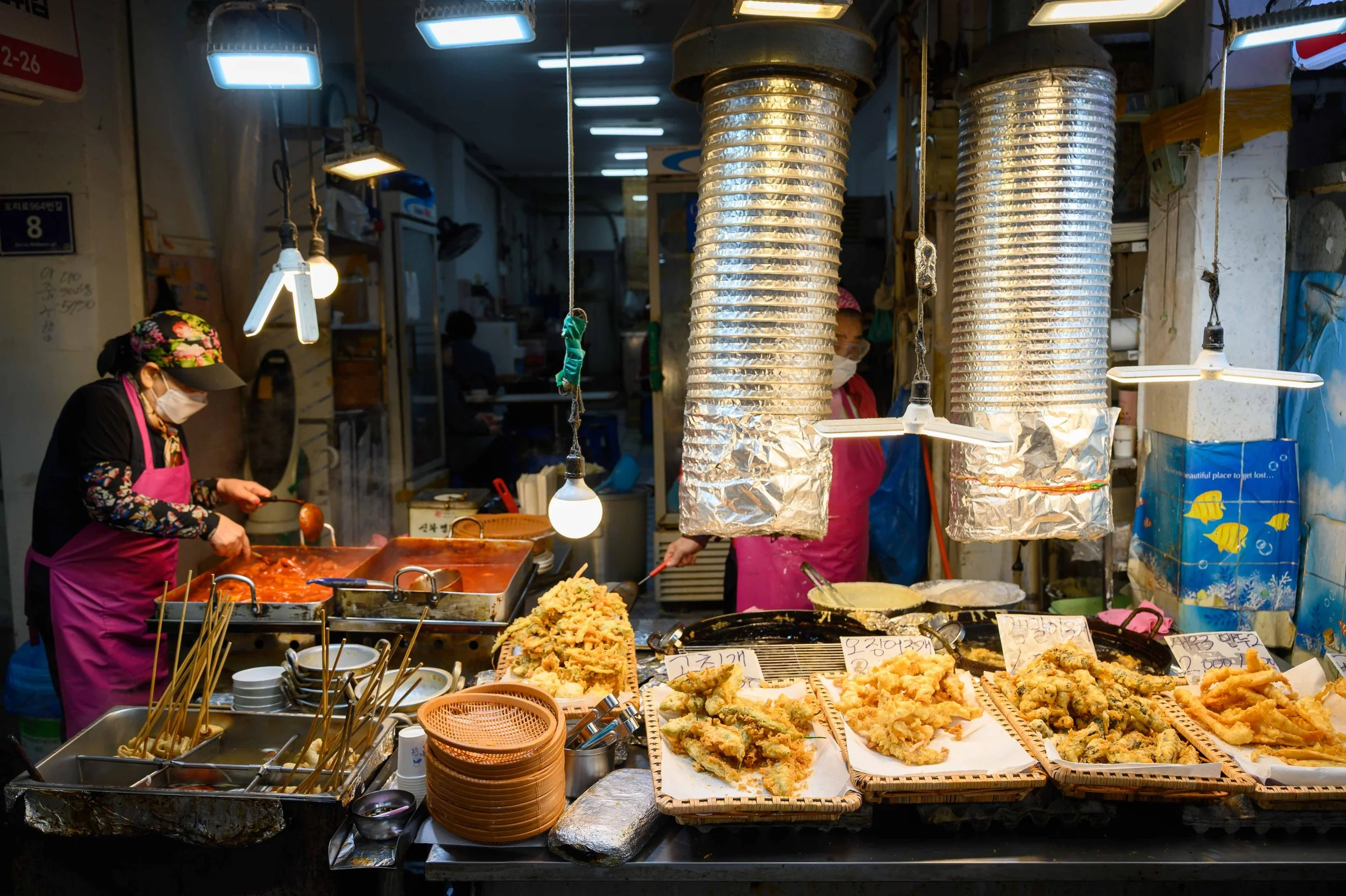
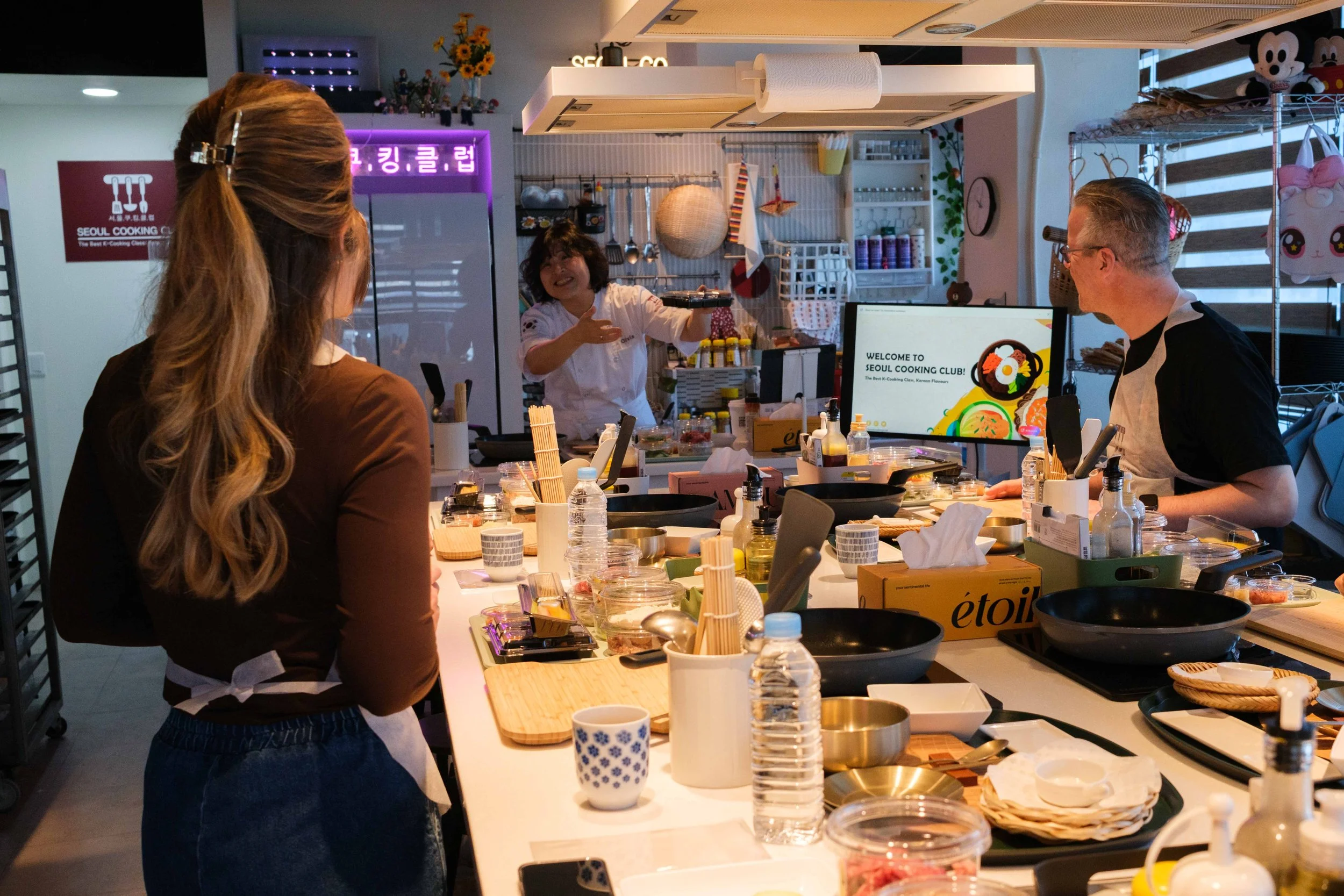
As mentioned earlier, there are several excellent food tours available across the city. If you enjoy cooking, we also took part in an outstanding cooking class in Seoul, where we prepared seven different local dishes from scratch. It was one of the best ways we found to understand Korean flavours and techniques beyond simply eating them.
Check Out Soeul's Cafe Culture
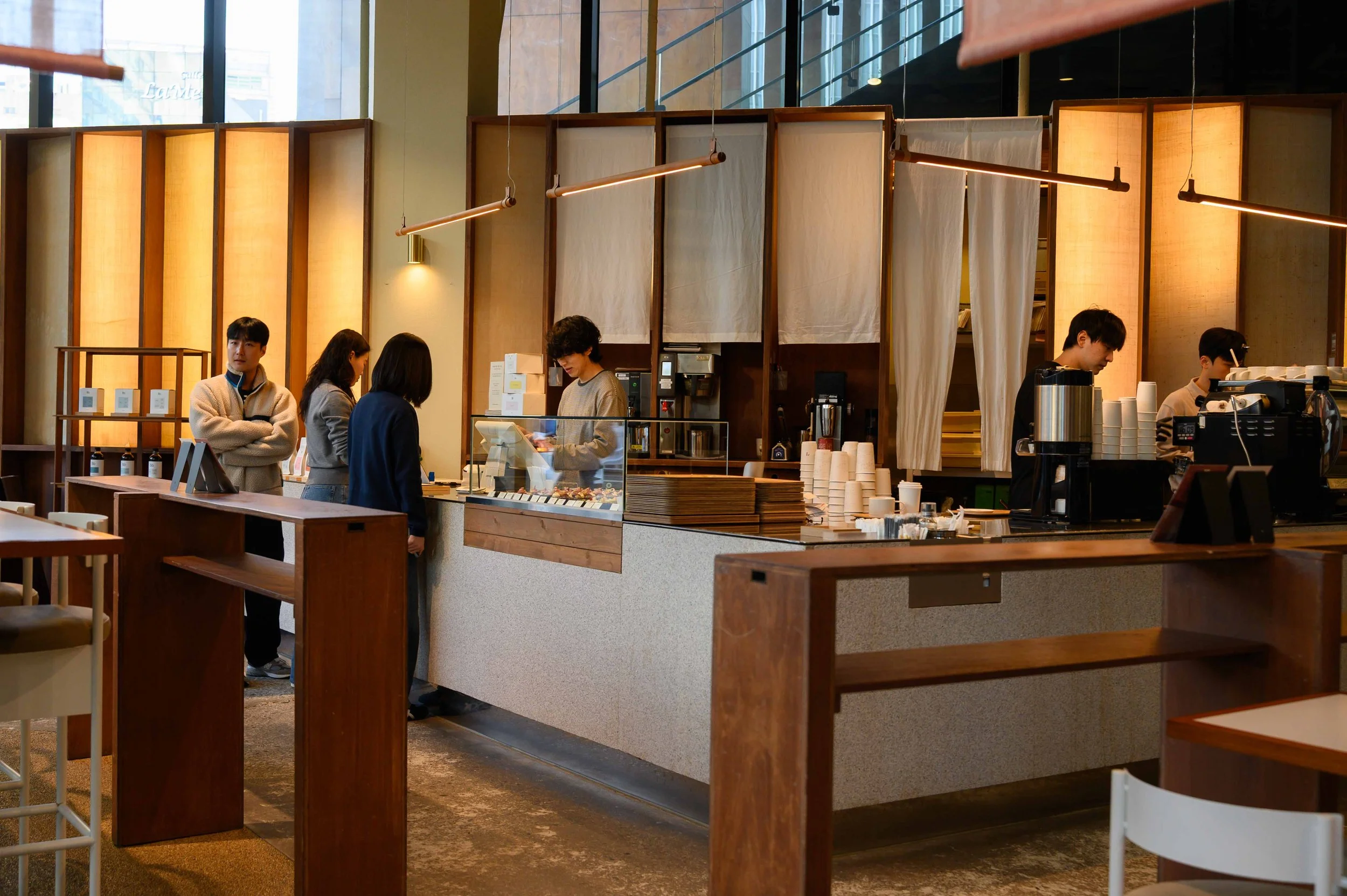
Seoul is obsessed with cafés. In some neighbourhoods, you will genuinely find ten coffee shops on the same street, each competing with the next through design alone. Styles range from traditional hanok interiors to ultra-modern spaces that feel more like galleries than places to drink coffee.
To be honest, there is a strong element of style over substance in Seoul’s café culture. When cafés are good, they are outstanding, but many of the most popular and heavily photographed spots serve fairly average coffee and are packed with people taking selfies for Instagram and TikTok. Almost every café has a signature drink, often creative or visually striking, and these are usually worth trying even if the espresso itself is not exceptional.
Cafés tend to open late in the morning, as early morning coffee culture does not really exist here, but most stay open well into the evening. You will never be short of options while exploring the city. Our favourite café during the trip was in Hongdae and called Always August, which stood out for both the quality of the coffee and the relaxed atmosphere.
Listen to Vinyl at an LP Bar
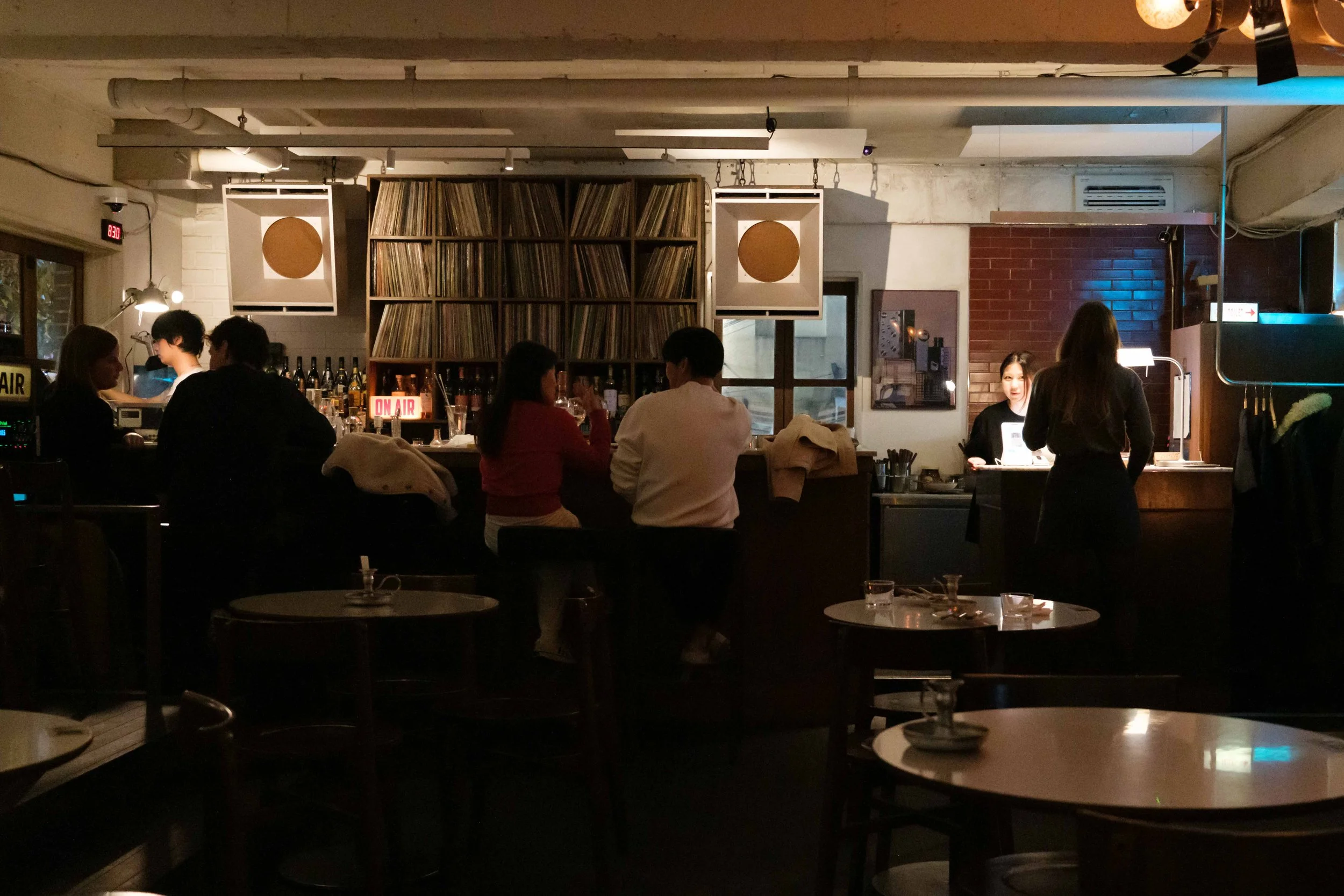
Vinyl records, known locally as LPs, are deeply loved in Korea and Seoul has a thriving listening bar scene to match. Across the city, you will find dedicated LP bars that range widely in style and atmosphere. Some feel more like libraries, with vast record collections and individual listening stations where you can select an album, plug in your headphones, and listen quietly from start to finish.
Others are far more social. Stylish cocktail bars serving small plates and high end drinks, with DJs playing directly from their vinyl collections throughout the night. We loved the city’s LP culture and how seriously listening is taken here. Below is a link to our full list of favourite LP and listening bars in Seoul.
Libraries and Bookshops
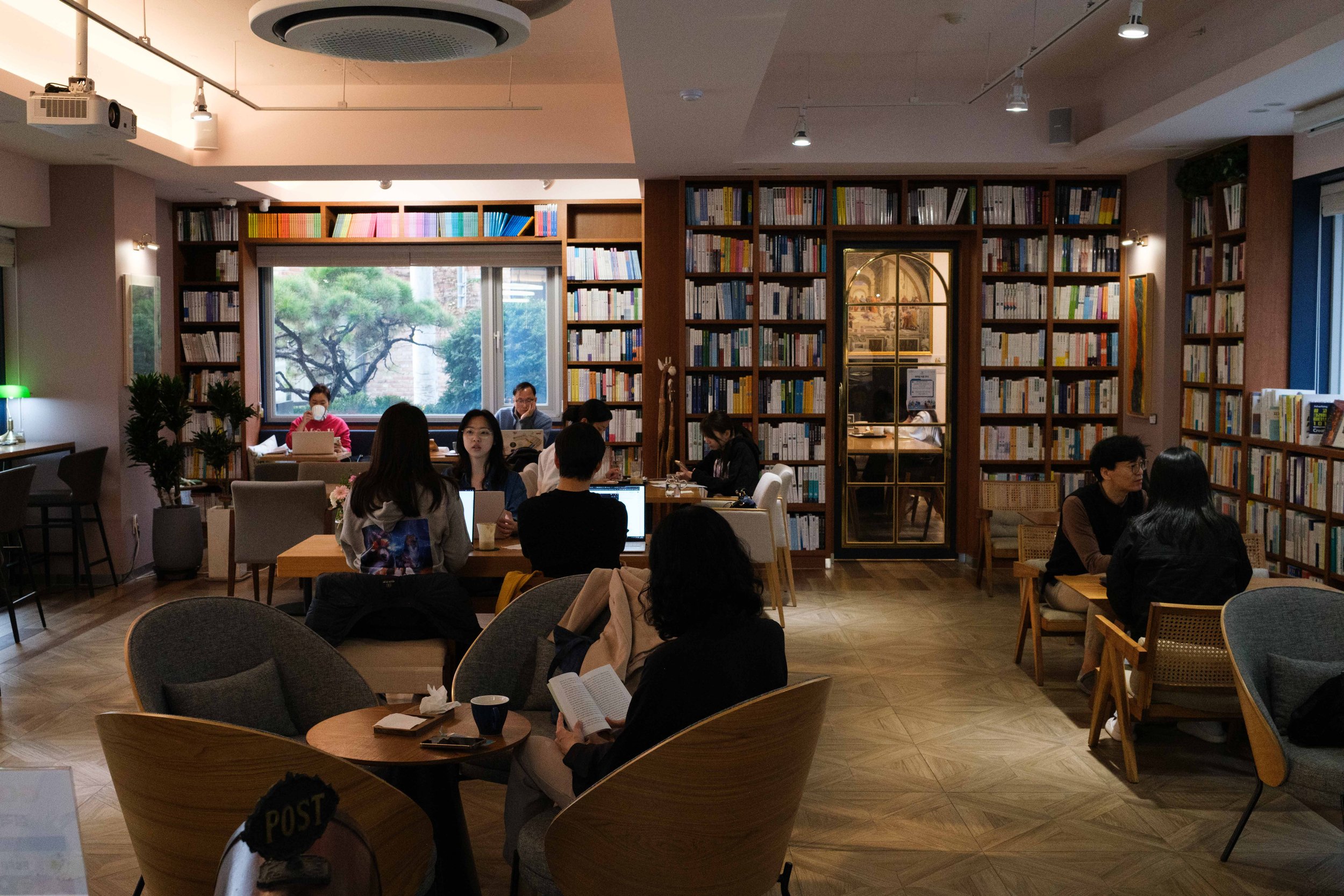
Seoul has a genuine love for books and reading, and it shows in the number of beautifully designed libraries and independent bookshops scattered across the city. The most famous is Starfield Library, located inside COEX Mall. With its towering shelves and dramatic architecture, it has become one of Seoul’s most photographed spots. It is worth visiting, but go early if you want to enjoy it properly, as it fills quickly with crowds and cameras.
Beyond Starfield, Seoul is full of quieter neighbourhood libraries and independent bookshops that feel far more local. These spaces are often calm, design led, and community focused, offering reading rooms, small cafés, and curated selections of Korean literature, photography books, and translated works. Exploring these lesser known spots gives a more authentic insight into Seoul’s slower, more reflective side, away from the main tourist routes.
Indulge in Korean Skincare and Beauty Products
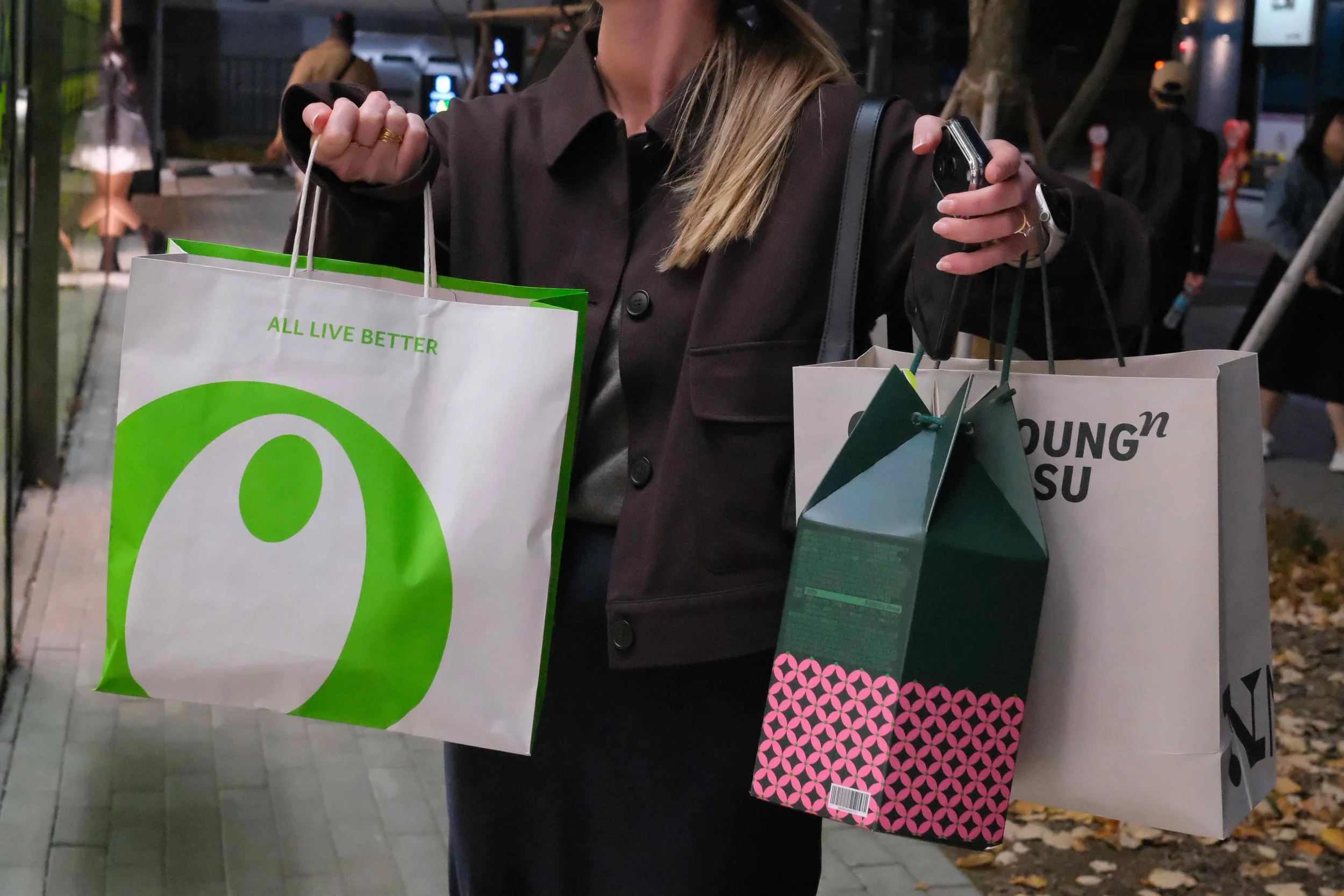
Seoul is world-famous for its skincare industry, and beauty culture here is taken seriously. You will find products and brands in Seoul long before they appear anywhere else in the world.
The most popular place to shop is Olive Young, a nationwide beauty retailer with an enormous range of skincare, makeup, and supplements. The flagship store in Seongsu is the largest in the country and an experience in itself. It is genuinely massive, with multiple floors, testing stations, and in-store skin analysis where you can receive personalised product recommendations.
Skincare treatments are also remarkably affordable in Seoul. You can visit factory-style clinics offering quick, no-frills treatments, or book appointments with fully qualified dermatologists providing high-end medical-grade care. Either way, prices are significantly lower than in the USA or Europe, making Seoul one of the best places in the world to explore professional skincare treatments. We visited Amoa 640 and were very impressed with their professional approach!
Get Pampered at a Head Spa
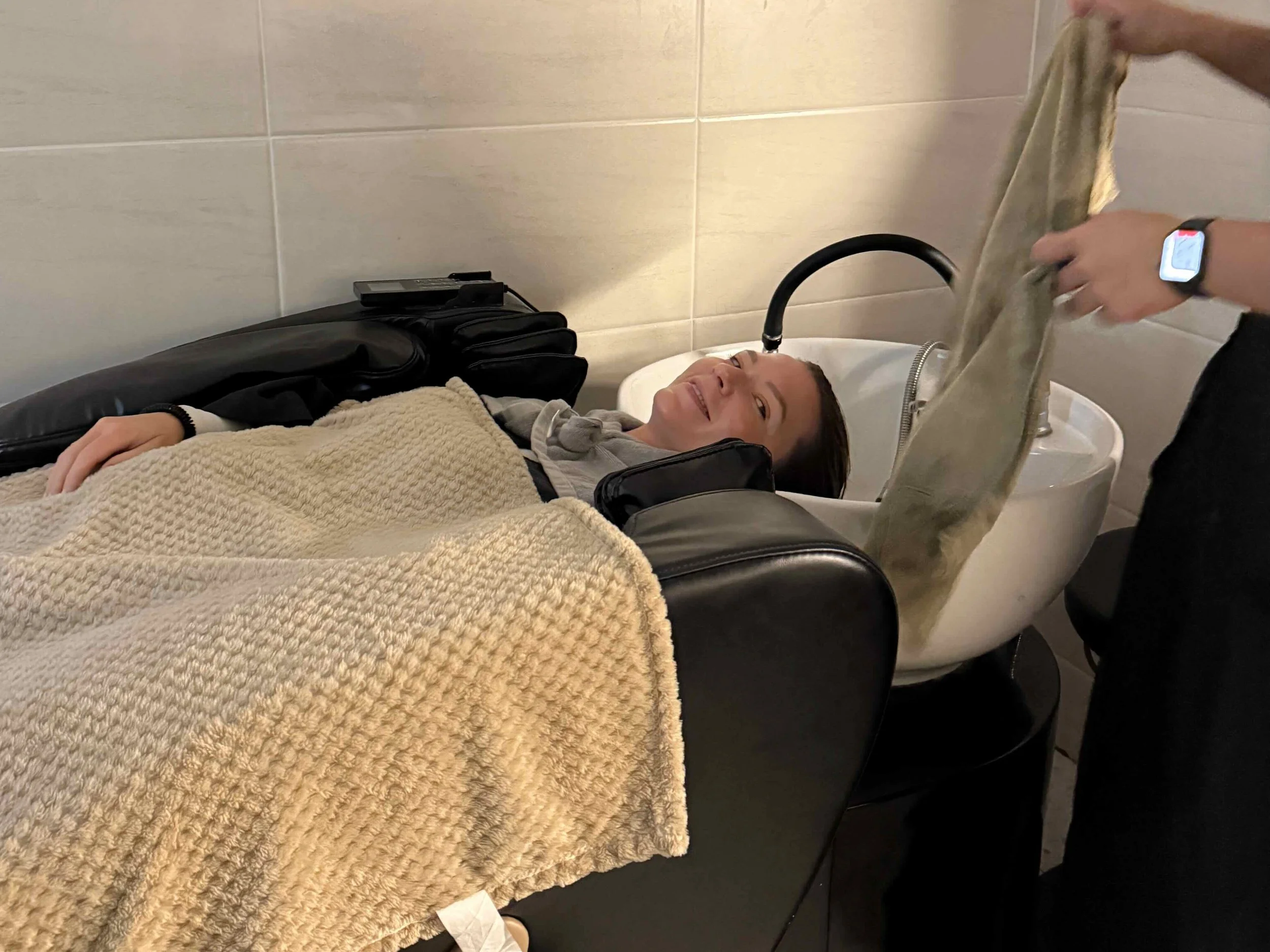
Head spas are a uniquely popular wellness experience in Seoul and a surprisingly relaxing break from sightseeing. These treatments focus on scalp health, hair care, and stress relief, combining deep cleansing, massage, steam treatments, and nourishing masks designed to improve circulation and promote healthy hair growth.
Sessions usually last between 60 and 90 minutes and often include scalp analysis, exfoliation, aromatherapy, neck and shoulder massage, and a full wash and blow dry. The experience feels more like a luxury spa treatment than a standard salon visit, yet prices are far more affordable than in Europe or the USA.
Visit a Korean Bath House (Jjimjilbang)
Korean bath houses, known as Jjimjilbang, are a big part of local culture and an experience worth trying while in Seoul. They are communal wellness spaces where people go to relax, socialise, and unwind, often for several hours at a time. Most are open 24 hours and include gender separated bathing areas alongside shared relaxation zones.
Inside, you will find hot pools, cold plunge baths, steam rooms, saunas, and heated rooms made from materials like salt, clay, or jade. The experience is simple and functional rather than luxurious, but incredibly calming. Many jjimjilbang also have cafés, sleeping areas, and snack bars serving classics like baked eggs and sweet rice drinks. It can feel unfamiliar at first, but it is one of the most authentic ways to experience everyday Korean life and a perfect reset after long days of walking the city.
We didn’t have time to visit one in Seoul, but we did go to Spaland in Busan, and it was absolutely incredible!
Get Some Snaps in a Photobooth
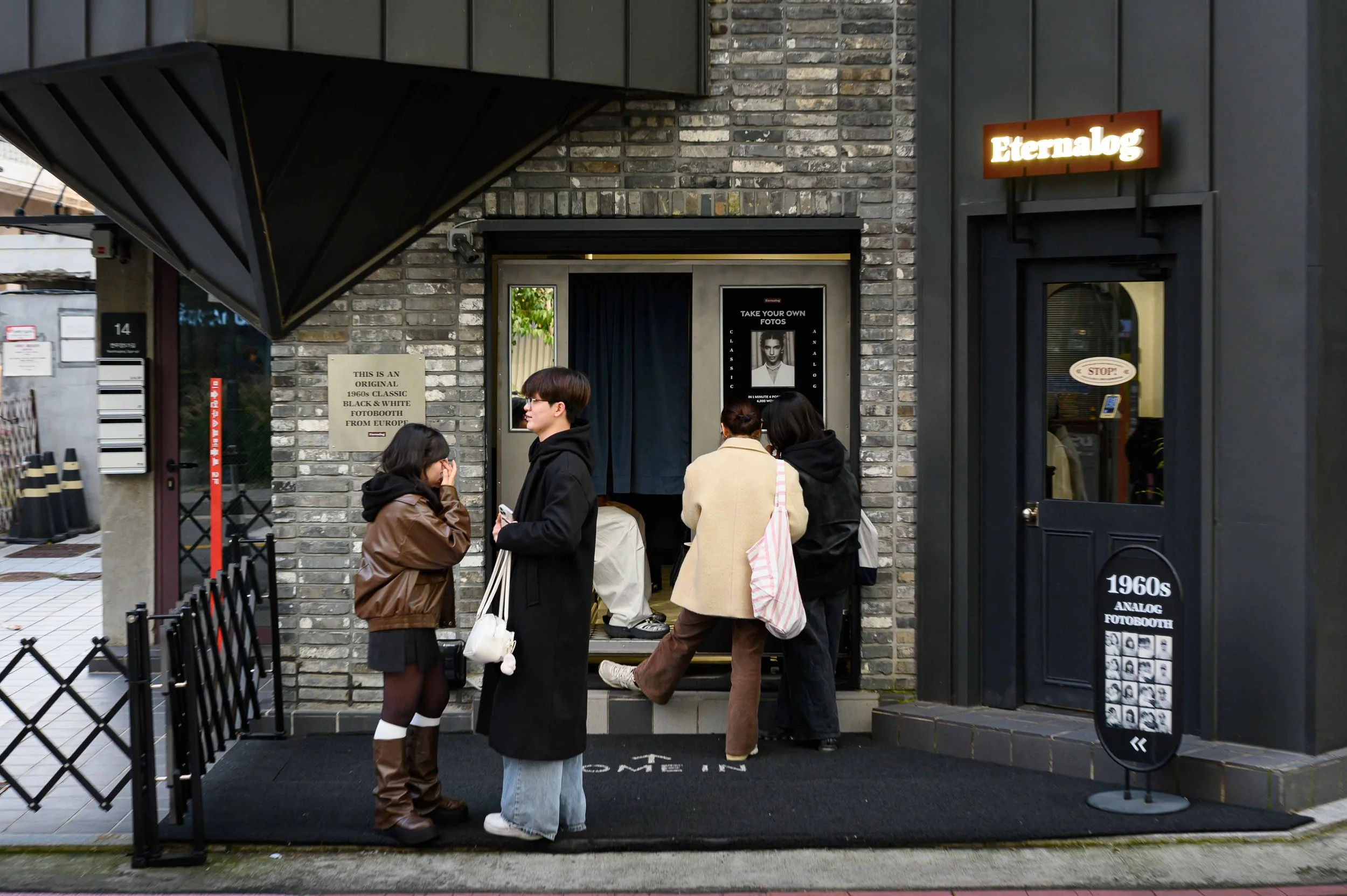
Photobooths are everywhere in Seoul. You will find them on almost every busy street, especially around university areas and nightlife districts, and it is common to see several on the same block. They are a big part of local youth culture and are treated less like novelty machines and more like social spaces.
Most booths offer themed backdrops, props, filters, and timed photo sessions that encourage playful poses rather than perfect shots. It is normal to see people taking their time choosing frames, redoing sets, and decorating the printed strips with stickers or handwritten notes.
Plug Into the World of K-Dramas
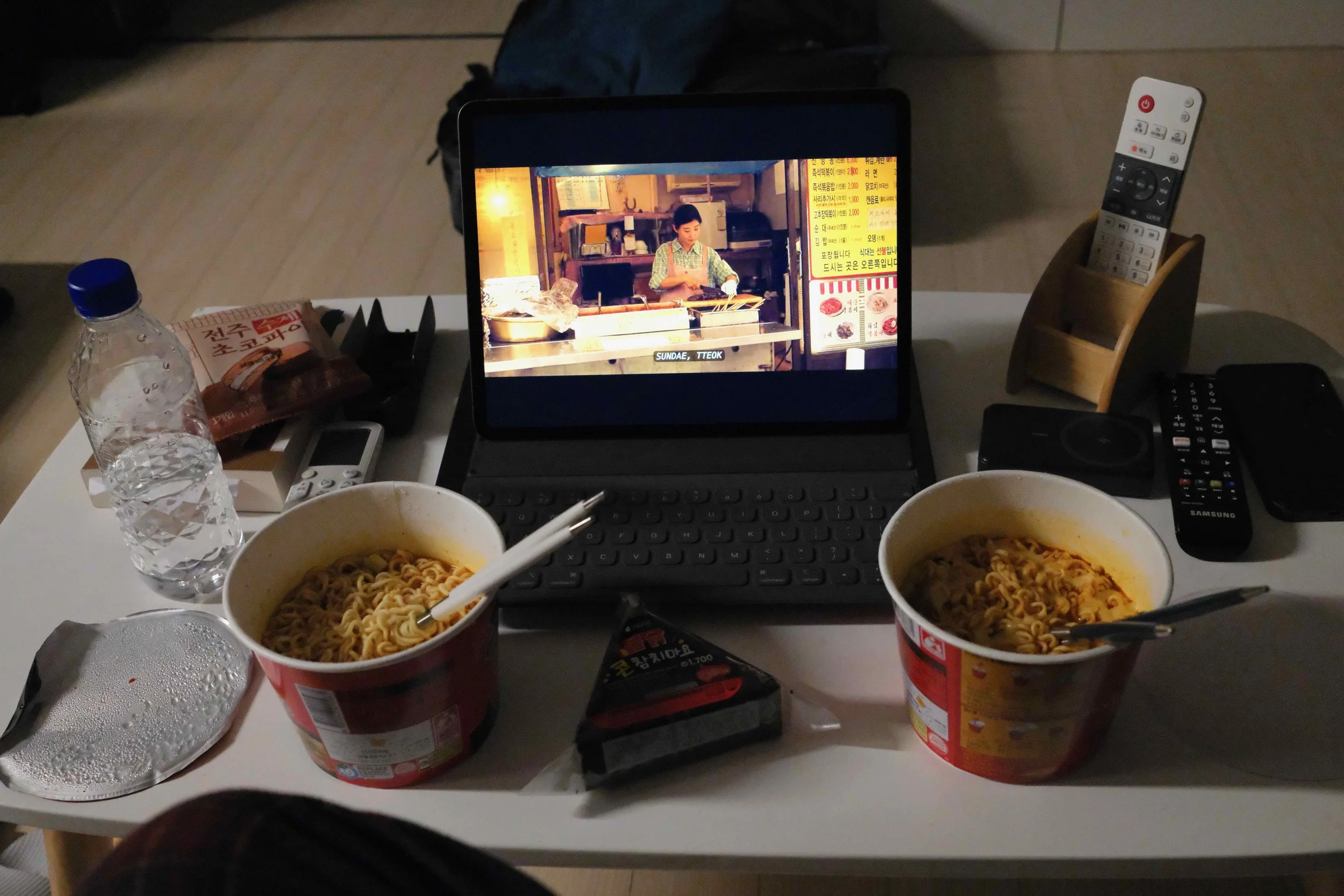
Korean television and cinema have become global powerhouses, and watching K dramas is one of the easiest ways to understand modern Korean culture before or during your trip. We downloaded a few shows to watch on the flight over and in the evenings back at the hotel. (Hometown Cha-Cha-Cha and Culinary Class Wars)
Other hugely popular K dramas worth checking out include Crash Landing on You, Reply 1988 and Itaewon Class.
On the film side, Korean cinema is equally strong, with internationally acclaimed titles such as Parasite, Train to Busan, Burning, The Handmaiden, and Decision to Leave. Whether you watch them for entertainment or cultural context, K dramas and films add another layer to understanding Seoul and modern South Korea.
Also, make sure you watch K-Pop Demon Hunters before you go!
Seoul is a city that reveals itself slowly. At first, it can feel overwhelming in scale, pace, and energy, but the longer you spend here, the more its layers begin to make sense. Ancient palaces sit beside glass towers, quiet neighbourhoods exist minutes from neon streets, and traditions that stretch back centuries continue to shape everyday life in subtle ways.
What makes Seoul so special is not just the number of things to do, but the contrast between them. You can hike through forested parks, eat some of the best food in the world, browse vinyl bars and bookshops, soak in a bathhouse, and still be surrounded by one of Asia’s most modern cities.
Whether you are visiting for a few days or several weeks, Seoul rewards curiosity and time. We left already planning our return, and we have no doubt you will, too.
More From Seoul