
KiD Soho Review: David Carter and Sertaç Dirik’s Anatolian Restaurant
Our Rating: ★★★ | ££££ (£80pp) - Sertaç Dirik's Anatolian cooking meets David Carter's hospitality, and the slow-roasted kid alone is worth booking for. (How we rate restaurants)
We have been looking forward to KiD’s opening for a while now. It is the first solo restaurant from chef Sertaç Dirik, who most people will know from Mangal II, the family ocakbaşı on Kingsland Road that he and his brother Ferhat transformed into one of the most talked-about Turkish restaurants in the country. He left in 2023, and everyone has been waiting to see what he would do next and now we know.
KiD … a partnership with David Carter, the man behind Smokestak, Manteca, OMA and Agora. On the corner of Frith Street and Bateman Street, KiD, with fire at the heart of the operation, leans hard into the flavours of Central Anatolia (modern-day Türkiye), where Dirik's family are from.
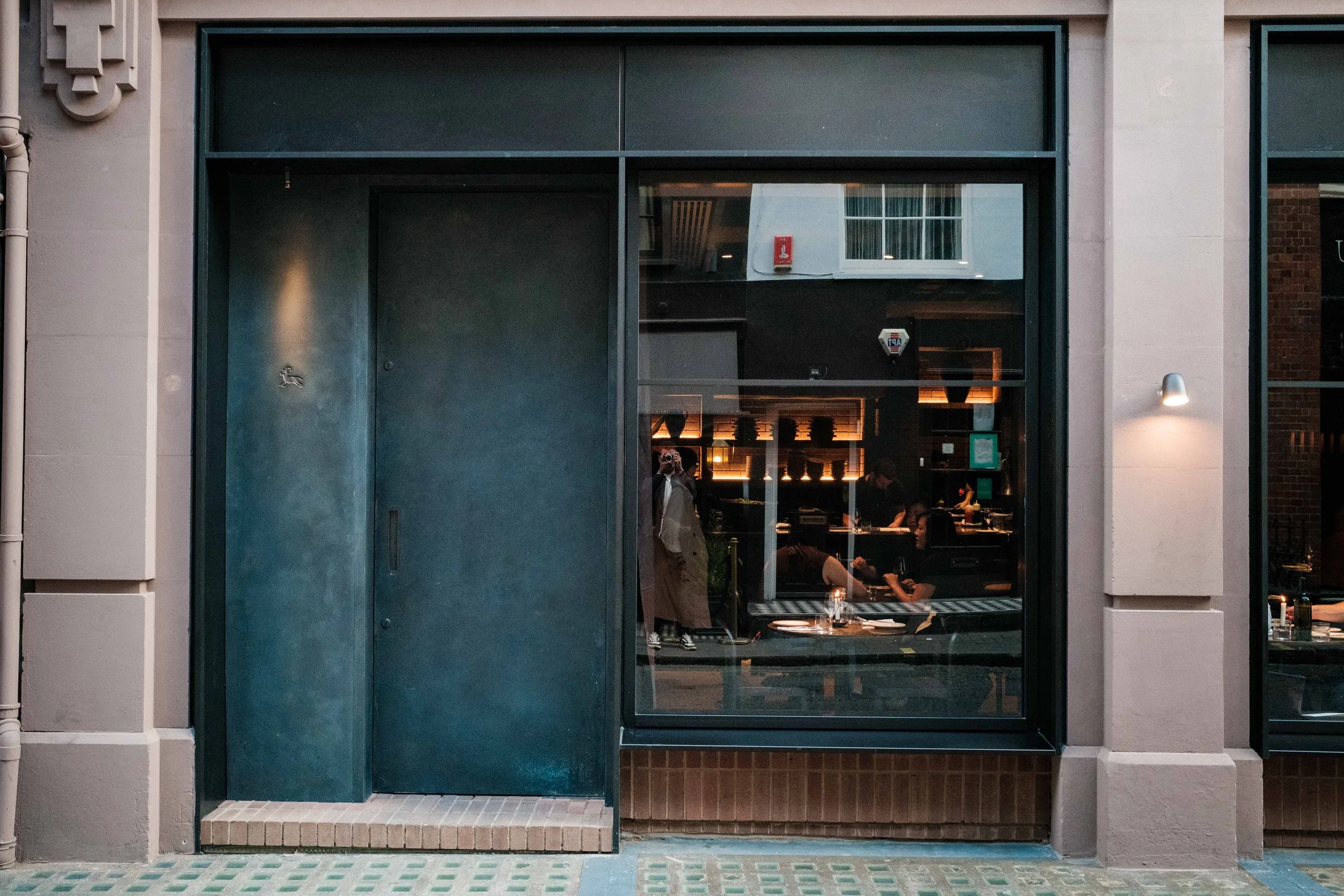
We went on opening night, which is not usually the ideal moment to review a restaurant. Kitchens are still finding their rhythm, the floor team are learning the room, and it feels a bit unfair to judge anyone on day one. But this is a David Carter restaurant, and we are enormous fans of what he has done at OMA and Agora, so with that much experience behind the operation, we figured there was no real excuse. As it turned out, there wasn't one.
If you have eaten at OMA or even at places like Mountain and Impala, the format will feel familiar. It is a sharing menu built around snacks, breads, meze, small plates, and then bigger things from the oven and the grill. You can order a spread, put it all in the middle and get stuck in.
The vibe of the restaurant is similar to what we’ve gotten used to from David’s other spots. Warm, dimly lit and romantic, with a good view of the kitchen and pass if you sit in the right section.
The team were excellent from the moment we sat down, walking us through the menu without rushing, and the whole meal was paced beautifully, which on a first service is no small feat.
What We Ate
We’ll be honest: we ordered a lot, and you really don’t need this much to fill up (the bus ride home was quite painful!). The dishes with a star next to them are our standouts.
KİD Sucuk and Grilled Peach
Bluefin Ezme, Kapya Pepper
Courgette Flower, Tulum Goats Cheese, Atom Honey *
Grilled & Wood-Fired Ramazan Pide
Humus, Fried Chickpea *
Muhammara, Walnut, Beyaz Peynir
Börek, Beyaz Peynir, Courgette *
Kid, Fig Leaf, Freekeh (for two) *
Mountain tea rice pudding, blackberries
Pistachio and cherry baklava
Gemlik Martini (black olive, black pepper, white vermouth, frozen gin)
Iced Çay (mountain tea, apricot, no alcohol)
Voskevaz Areni 2019 (Red wine)
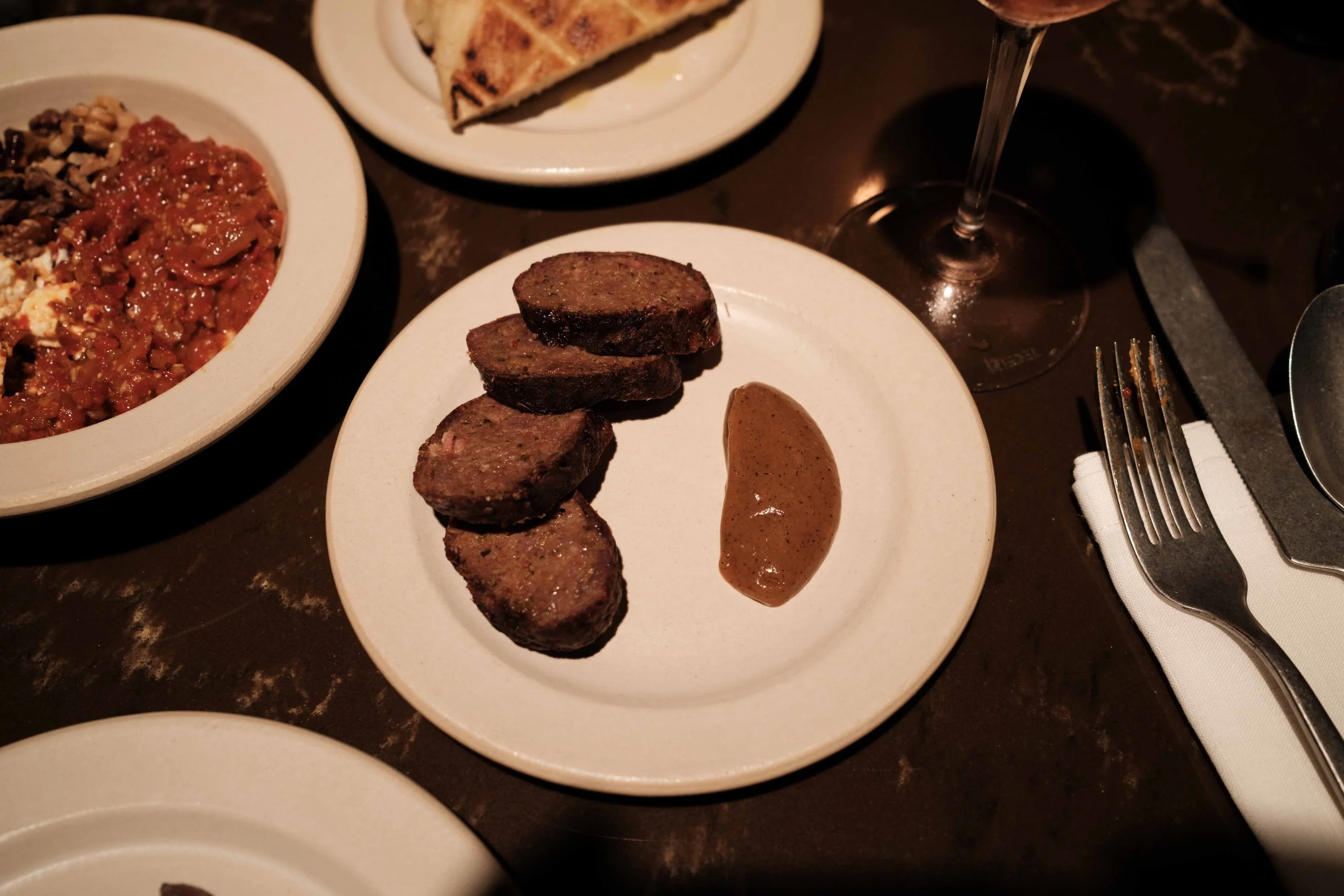
The KİD Sucuk and Grilled Peach was a slight let-down, and the only dish we would skip. The menu had us imagining slices of grilled peach against the spiced sausage, which sounded like a great contrast. What arrived was a peach sauce, and it didn't have the punch we were expecting from either element. The sucuk itself felt a bit dry, and it just needed something to push against. Not exactly a bad item, but there are better things to save your stomach for.
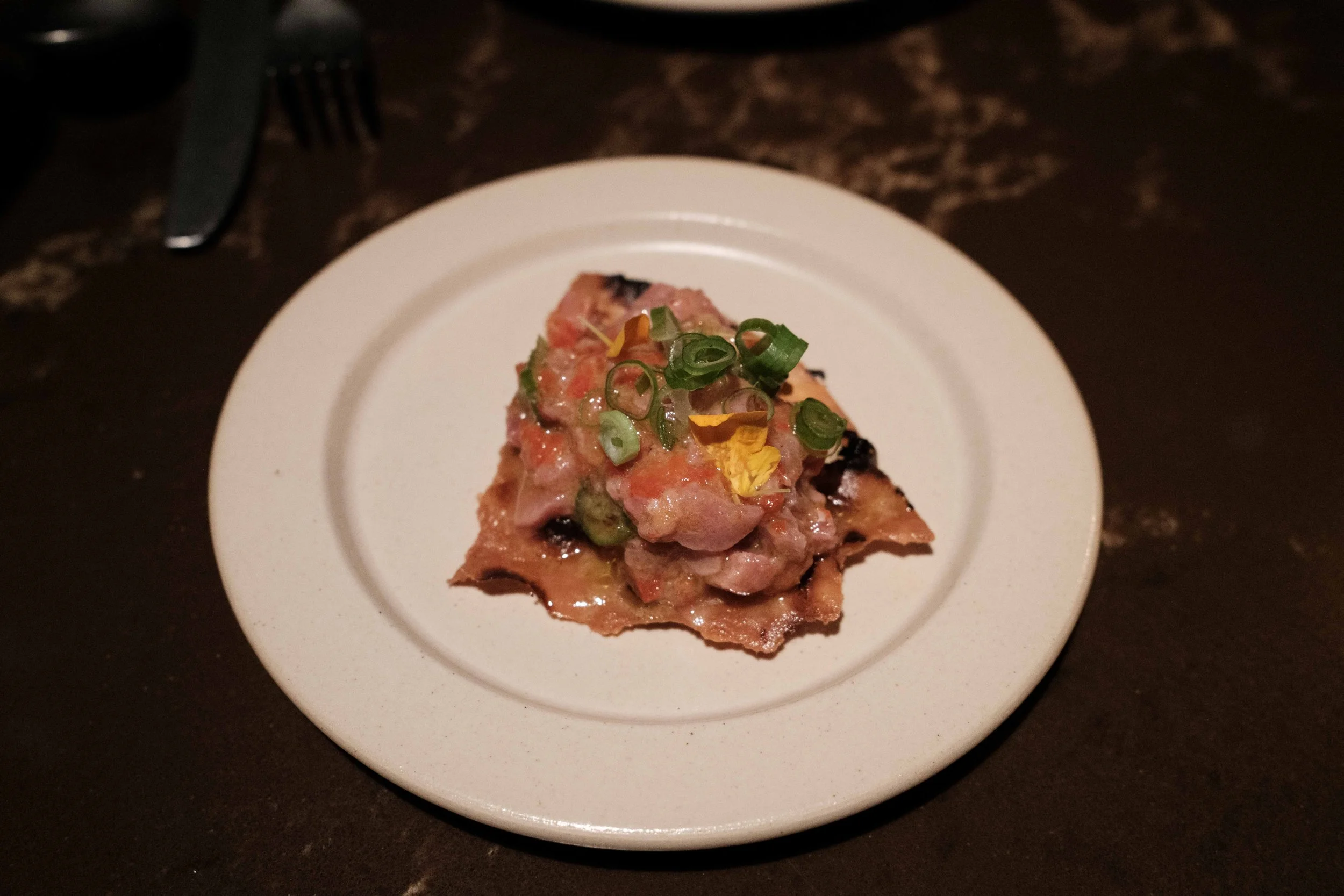
Bluefin Ezme, Kapya Pepper - A perfectly good snack, and nothing to complain about, but not one we would order again over the courgette flower. It does its job for a refreshing bite, but we’ve had better fish snacks in other places (even in Oma, for example).
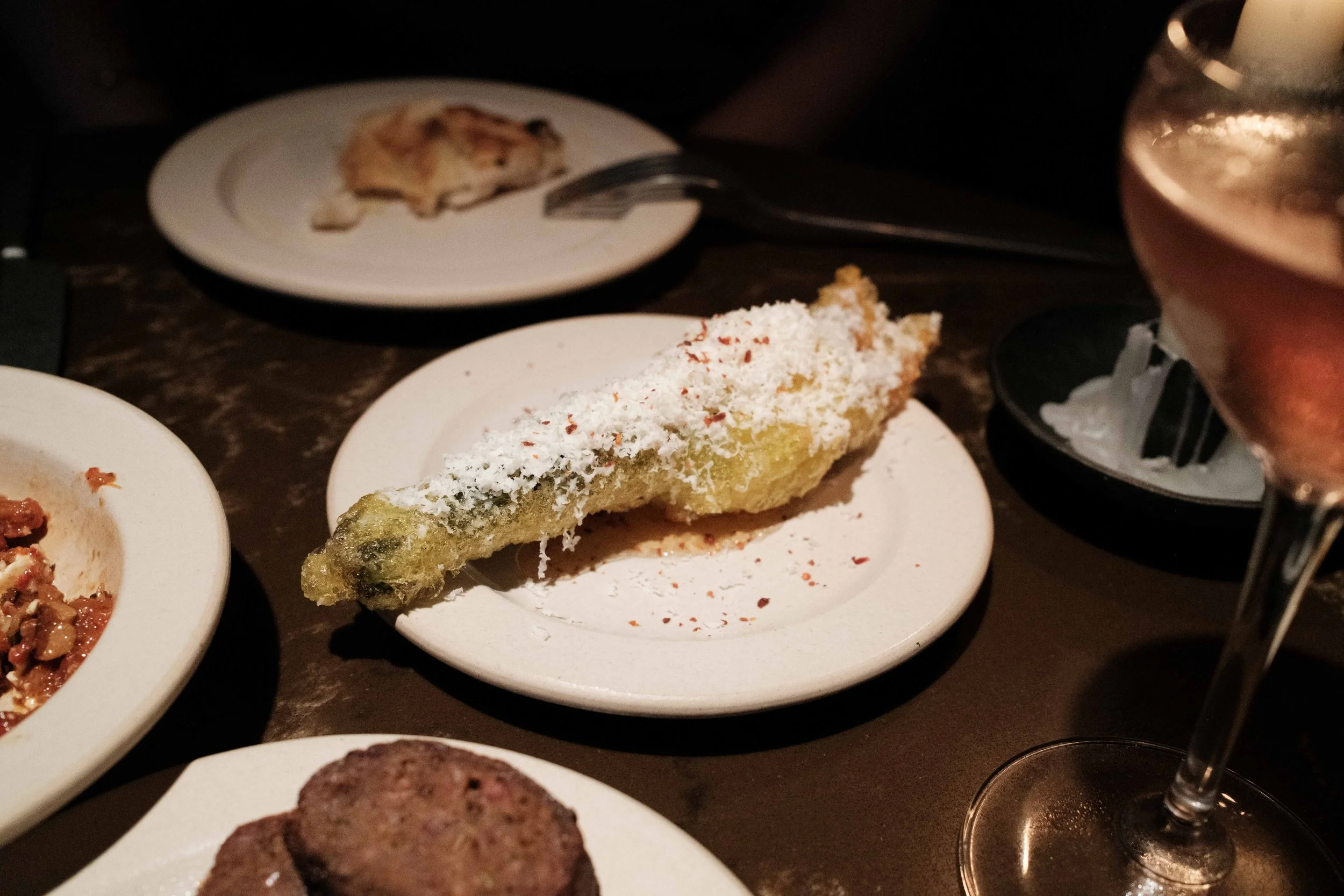
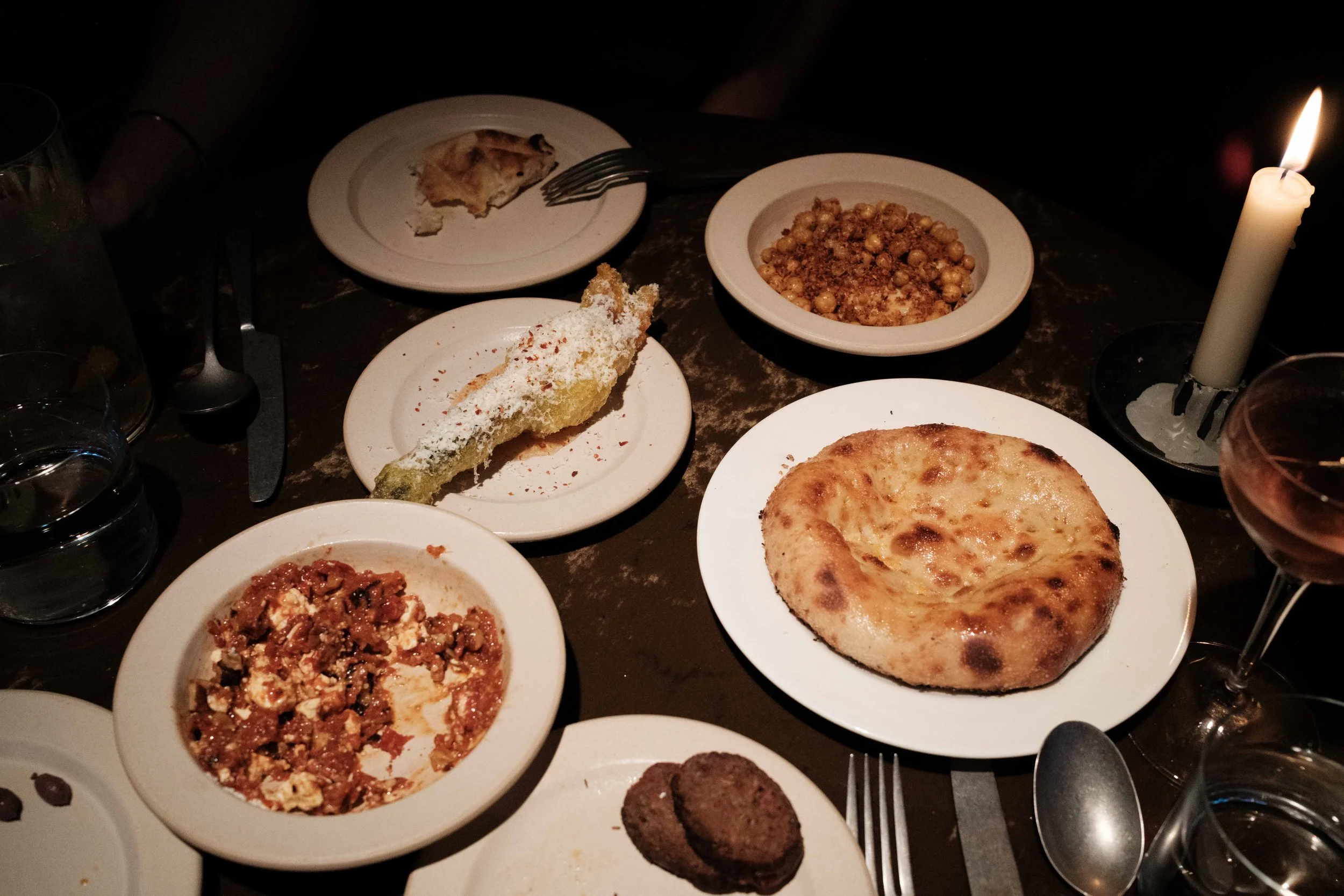
Courgette Flower, Tulum Goats Cheese, Atom Honey - Incredible! The batter was light and properly crisp, the goat’s cheese stuffing was rich and savoury, and the honey cut across it all perfectly. Sweet, salty, crunchy and soft in one bite. If you only order one snack, order this.
Both the Wood-Fired Ramazan Pide and Grilled Pide were faultlessly made. The wood-fired ramazan pide comes out puffed and blistered with that dimpled top, soft inside with a bit of chew, while the grilled version picks up smoke and char from the mangal.
We very nearly didn't order the Humus and Fried Chickpeas, because it is just hummus and we have all had a lot of hummus. That would have been a mistake. It is exceptionally smooth, and the fried chickpeas scattered on top add a crisp, nutty layer that changes how the whole thing tastes. This is hummus done at a genuinely high level.
Muhammara, Walnut, Beyaz Peynir - Lovely and extremely fresh in flavour. The beyaz peynir crumbled through it is very tasty
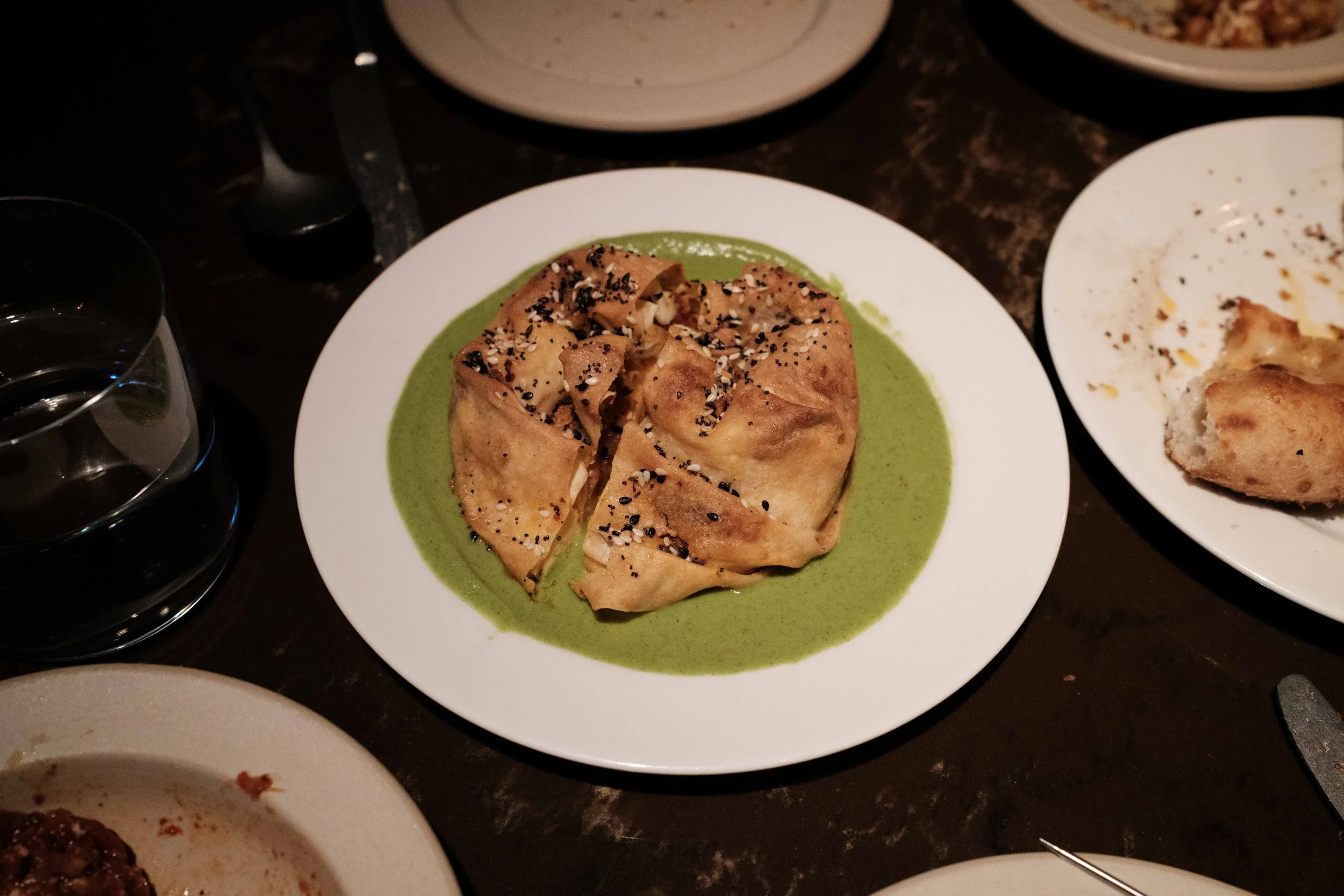
The highlight of our meal … Börek, Beyaz Peynir, Courgette. An insane plate of food. Brilliant pastry, a generous cheese filling, and a green courgette sauce underneath that ties it together. We have a soft spot for börek: they were our lockdown snack of choice from the Turkish supermarket in Bermondsey, bought by the tray and eaten far too quickly. This is the refined version of that, and it absolutely hit the spot. The pastry was so perfectly cooked (crispy on the outer layers and soft in the middle) with a rich filling.
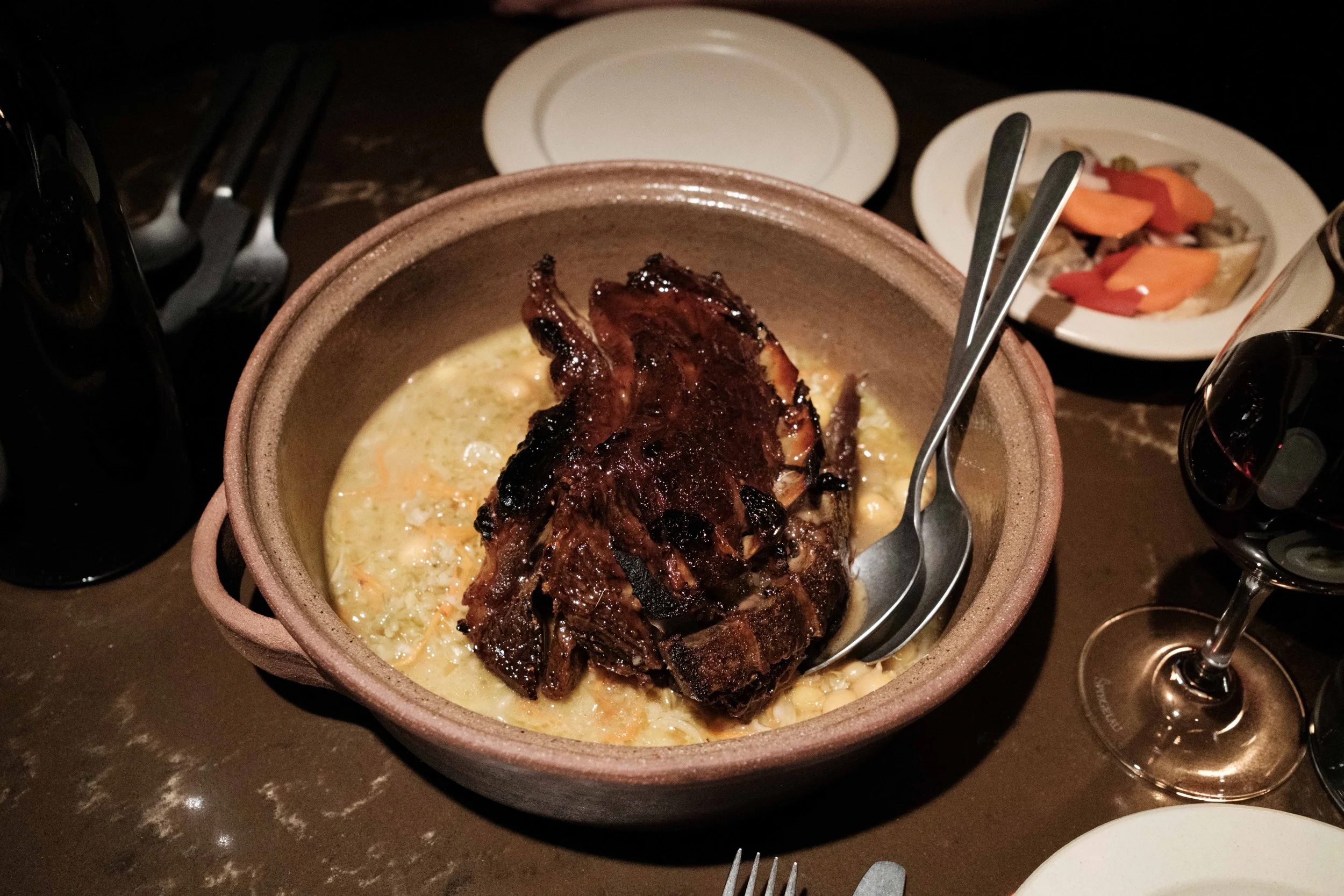
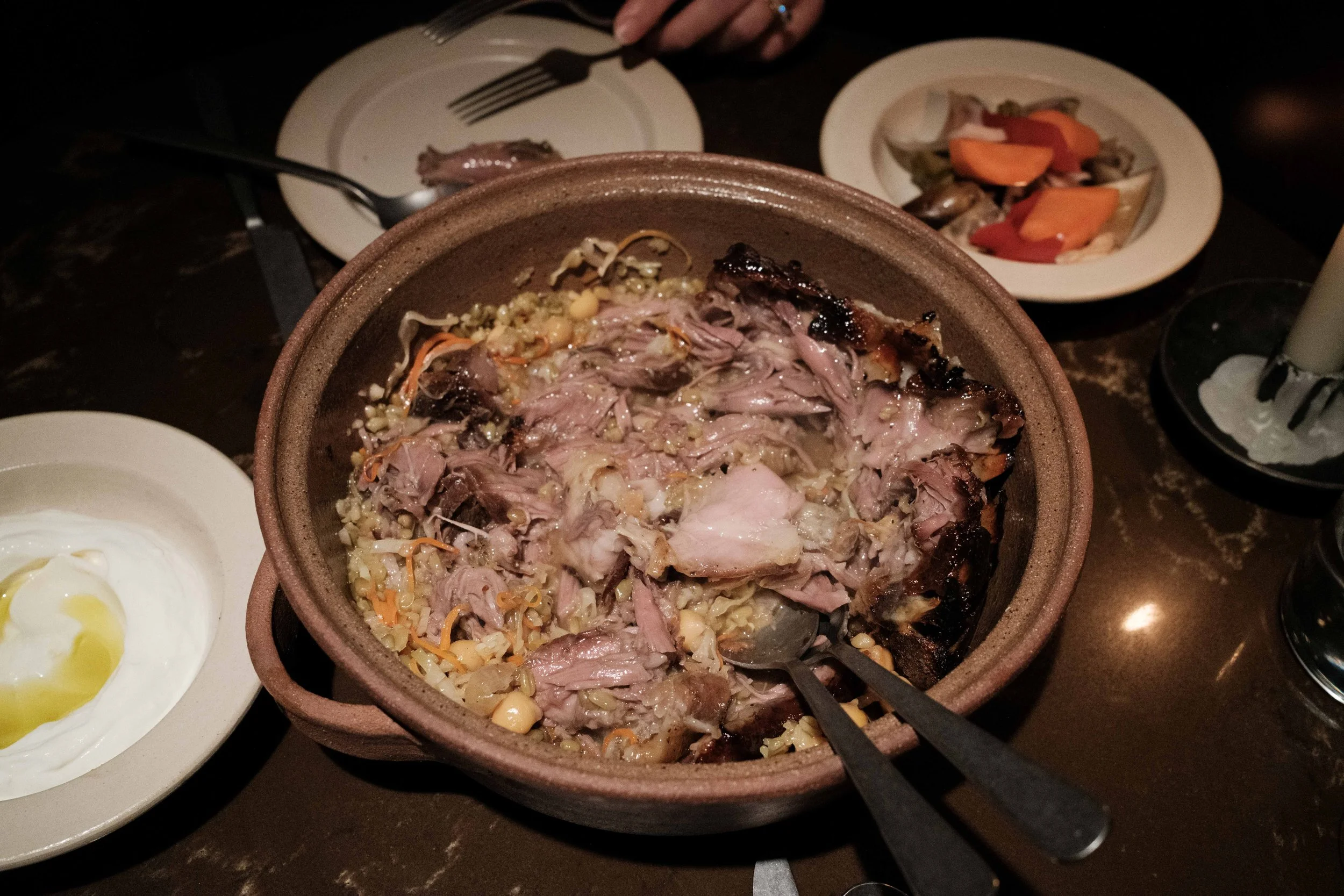
KiD, Fig Leaf, Freekeh - The reason the restaurant is called what it is called, and the dish to build your order around. Slow-roasted kid arrives in a clay pot on a bed of freekeh, chickpeas and shredded cabbage, and it is a big portion with a lot of meat on it. The fat had been rendered down beautifully, so the surface bits were crisp and packed with flavour without ever tipping into greasy or overpowering. Underneath, the meat was soft and cooked to exactly the right point, coming away in proper forkfuls. The freekeh soaks up everything happening above it. It comes with pickles and a bowl of smooth, garlicky yoghurt.
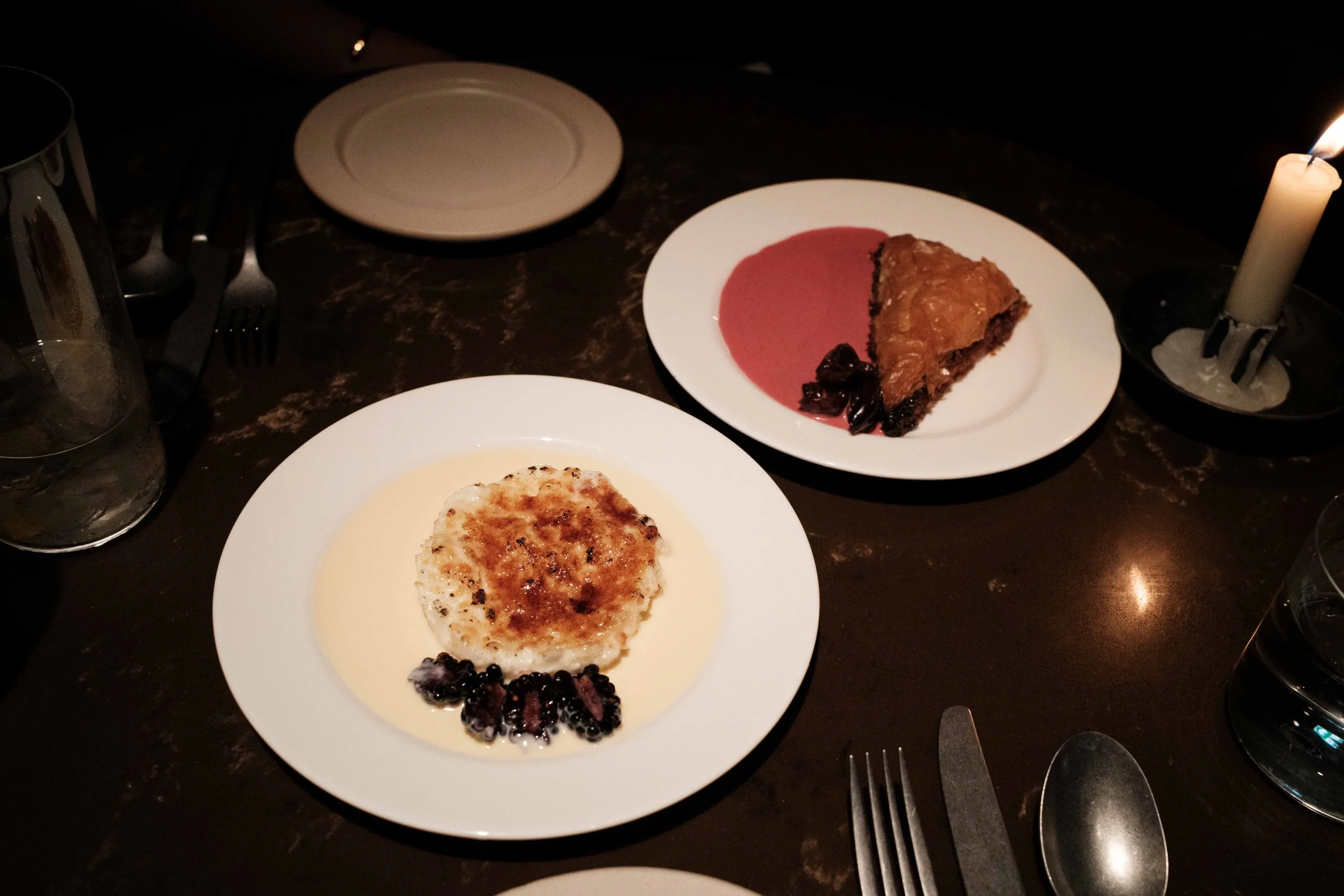
The mountain tea rice pudding was our favourite of the two desserts: creamy, delicately flavoured, with a lovely char blistered across the top and blackberries alongside. The pistachio and cherry baklava was deep and rich, with the cherry sauce working much better than we expected. Sour cherry against pistachio is a proper Turkish pairing, but it turns up far more often in a börek or a pilaf than it does in a baklava, so it lands as something different to the usual pistachio-and-syrup route, and it is worth trying for that reason alone.
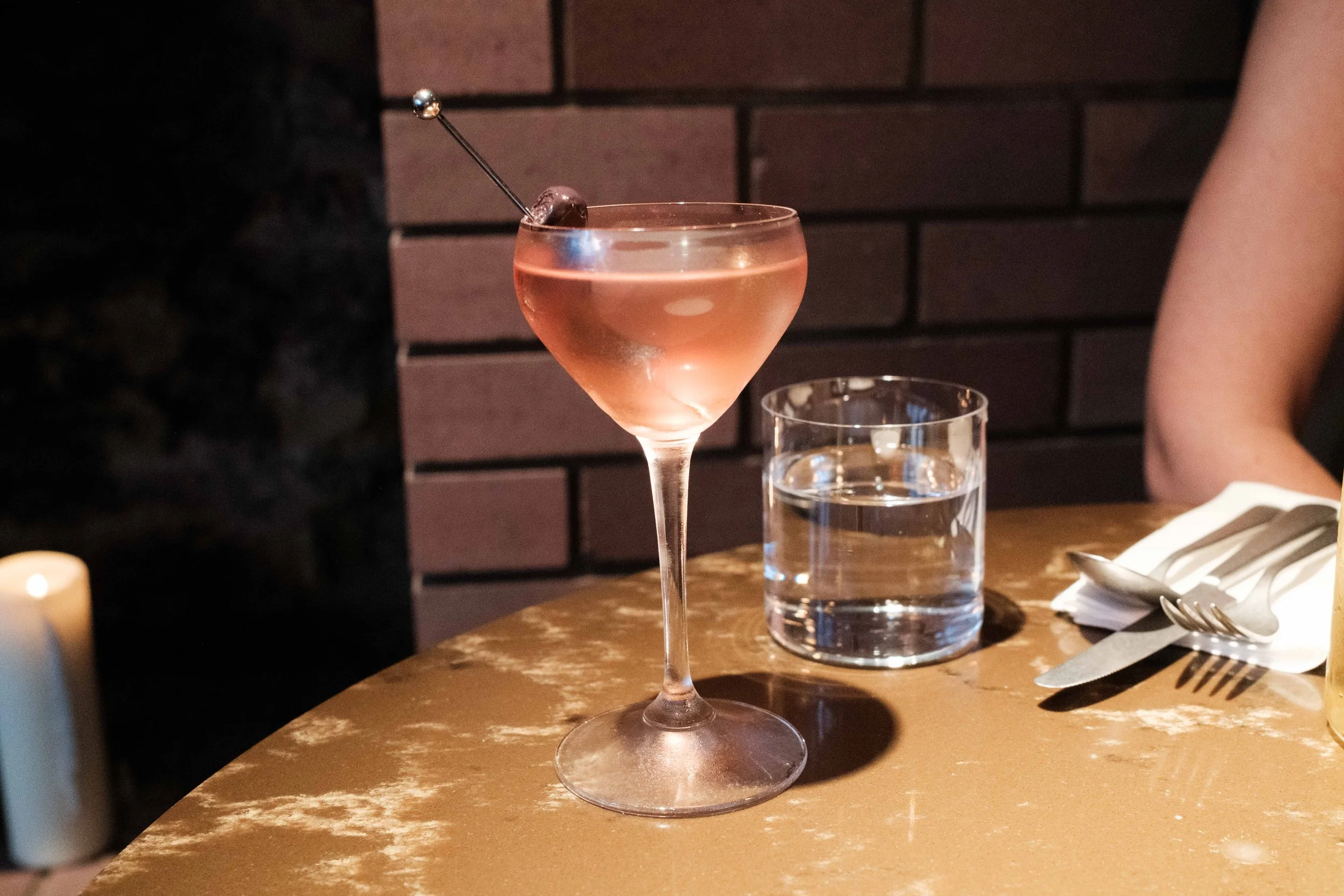
The Gemlik Martini is a sharp, savoury, olive-forward cocktail and a very good way to start a meal like this. The Iced Çay is one of the better non-alcoholic options we have had in London this year: mountain tea and apricot, gently sweet, and it holds its own against the smoky stuff coming off the grill.
Areni is a red grape you rarely see on London lists, light-bodied and savoury with sour cherry and a dusty, herbal edge, and it had exactly the acidity needed to cut through all that rendered fat on the Kid without fighting the smoke. More on it in The Nerdy Bits, because it has one of the best backstories in wine.
Overall thoughts
A lovely meal, and a very impressive one for a first service.
The highs here are genuinely high. The börek was the outright highlight of the meal, with the courgette flower and the kid close behind, and the kitchen's handling of fat and fire on that kid is the sort of thing you only get from someone who has spent years in front of a mangal. The breads and meze are a cut above what the prices suggest.
The service and pacing were excellent, and the room is one of the more romantic openings in Soho this year.
The lows are minor and mostly sit at the snack end. The sucuk didn't land, the bluefin ezme was fine rather than memorable, and the desserts were pleasant but not a knockout.
Our bill came to £187.31 for two, including the discretionary service charge, which is a little under £94 each. We over-ordered, comfortably, and left genuinely stuffed. The kid for two at £60 is the anchor, and it feeds two people properly on its own, so if you build around it with three or four of the smaller plates and one drink each, you can eat very well here for closer to £60 a head if you wanted to.
We will absolutely be back, and the plan is to bring a group so we can work through the rest of the menu. Looking around at other tables, we have already got our eye on the Grilled Onion Salata with Lamb Belly and Offal, and the XL Cornish Scallop with Coco Bean Fasülye.
Details
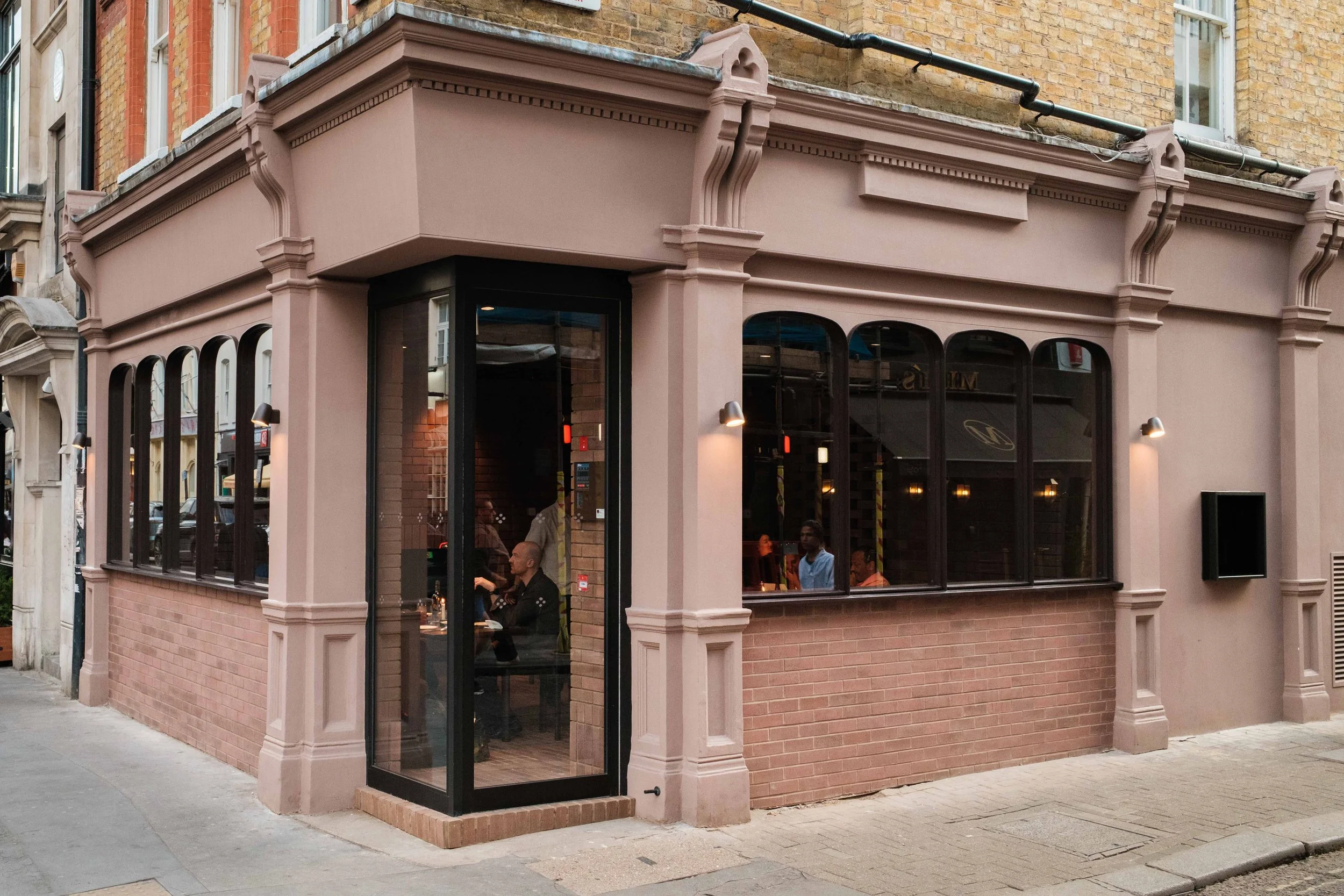
Address: 55 Frith Street, London, W1D 4SJ. The entrance is on Bateman Street, not Frith Street, which is worth knowing becuase we saw many people try to get in through the window!
Website: kid.london
Instagram: @kid_soho
Email: hello@kid.london
Opening Hours: Monday to Saturday, 12.00 to 15.00 and 17.30 to 22.00
Booking: Through the link on their website (reservations run through SevenRooms). This was one of the most anticipated openings of the year, so book well ahead.
Nearest tube: Tottenham Court Road or Leicester Square, both a few minutes' walk away
Map
55 Frith Street, London, W1D 4SJ (The entrance is on Bateman Street; many people get confused, it’s a dark door with a small KiD logo)
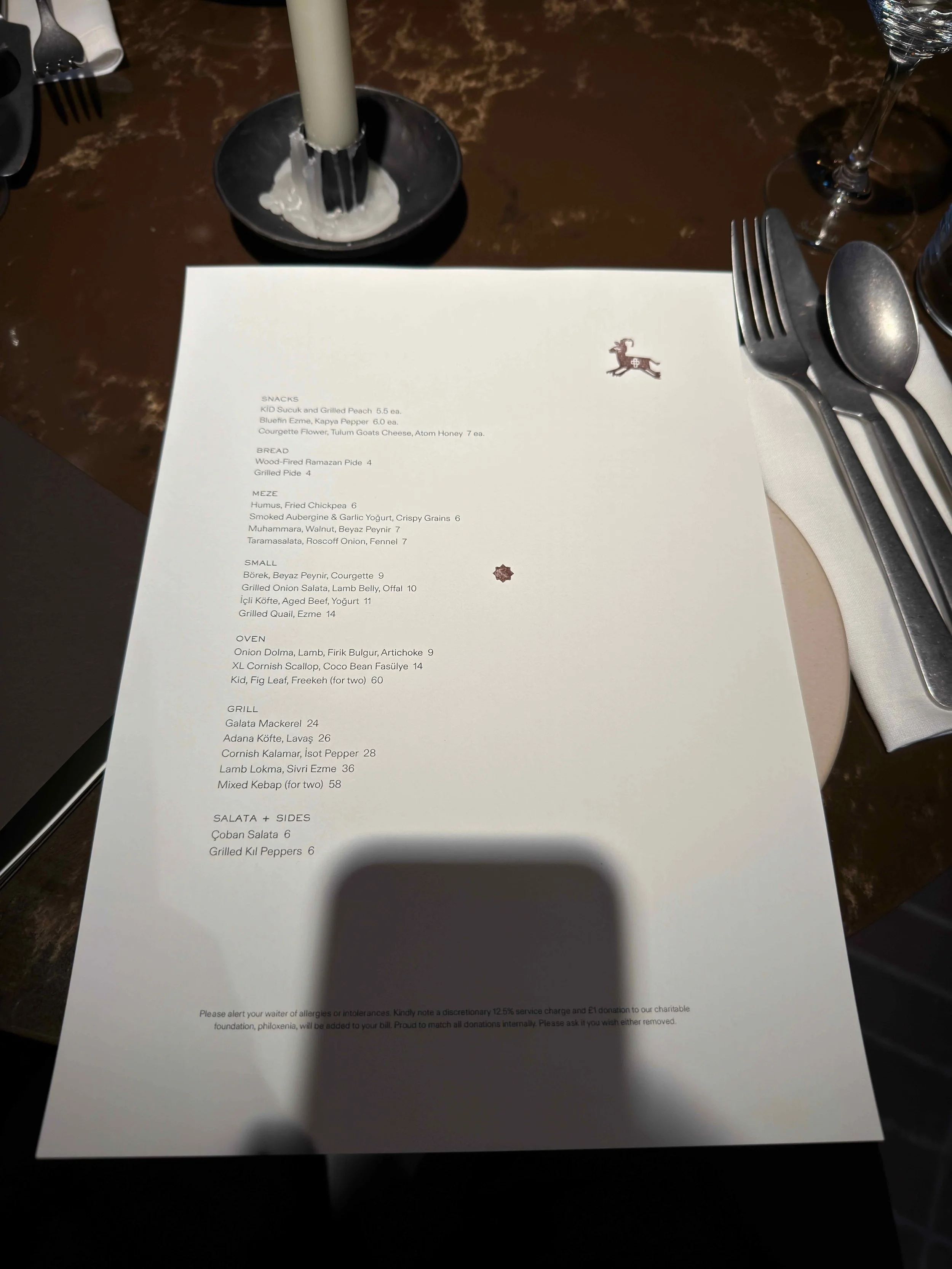
Menu
The Nerdy Bits
Why kid, and why a clay pot. Kid is young goat, and it is a far bigger deal across Turkey, the Middle East and the Mediterranean than it has ever been in Britain. It sits somewhere between lamb and mutton in flavour: leaner, a little more mineral, and with a fat that renders down cleanly rather than coating everything. The traditional Anatolian treatment is tandır, where the meat is cooked long and slow in a sealed clay or earthenware vessel until it collapses off the bone.
The clay does two useful things at once. It holds a gentle, even heat so the meat never seizes up, and it traps steam so the flesh stays moist while the exposed top surface still gets the chance to caramelise. That is exactly what you get in KID's version: crisp, lacquered edges over meat that has essentially braised in its own fat and juices. The fig leaf is a nice Anatolian touch too, lending a faint coconut and green-tea perfume as it heats, in much the same way a banana leaf or a vine leaf would elsewhere.
Freekeh, or firik. The grain under the kid is freekeh, which appears on the KID menu in its Turkish spelling, firik, in the onion dolma. It is durum wheat harvested while the grains are still young and green, then set on fire. The straw burns away fast, the high moisture content of the immature grain stops it from burning too, and what is left is rubbed clean, hence the name, which comes from the Arabic for "the rubbed one". The result is a wheat with a smoky, nutty, almost bacon-like savouriness that ordinary bulgur simply does not have. It also holds its bite far better in a long cook, which is why it works so well soaking up the juices from a two-hour roast rather than turning to mush.
Börek. Börek is one of the great Ottoman contributions to world food, and its influence spread everywhere the empire reached, which is why you find close relatives from the Balkans through the Levant to North Africa. The core idea is thin sheets of yufka pastry layered or rolled around a filling, then baked, fried or coiled into a spiral. Beyaz peynir, the brined white cheese used here, is the classic Turkish filling and behaves a lot like a firmer, milkier feta. If you have only ever met börek as a slab from a Turkish supermarket counter, KID's version is a useful reminder of how good the format can be when someone treats the pastry with real care.
Tulum cheese and atom honey. Two properly interesting ingredients hiding in that courgette flower. Tulum is a Turkish goats cheese traditionally aged inside a goatskin, which is what tulum means. Sealing it that way creates an anaerobic environment and gives the cheese its characteristic sharp, salty, crumbly intensity. Atom honey, also known as acı bal or deli bal, it is the Turkish Black Sea honey made by bees feeding on rhododendron flowers, which gives it a distinctive bitter edge and a slight tingle. It is the famous "mad honey" of the region, and in the quantities a restaurant uses it is simply a wonderfully complex honey with a savoury backbone, which is exactly why it works against a salty cheese rather than making the dish cloying.
Areni, and the oldest winery we know of. The red we drank with the kid was made from Areni, an indigenous Armenian grape, and it comes with an extraordinary piece of history attached. In 2007, archaeologists excavating a cave complex near the village of Areni in southern Armenia uncovered a clay vat, a shallow basin for treading grapes, drinking cups and a scattering of grape seeds and pressed skins. Carbon dating put the site at roughly 6,100 years old, making it the oldest known winemaking facility anywhere in the world. Grapes still grown in that valley today are close relatives of the seeds found in the cave, which is a fairly humbling thought to have over a 125ml glass.
Mountain tea. The dağ çayı in the iced çay, and in the rice pudding, is sideritis, a wild herb that grows on rocky slopes across Türkiye, Greece and the wider eastern Mediterranean. Brewed, it is floral and faintly citrussy with a honeyed edge, and it has been drunk as a daily restorative for centuries. If you have spent any time in the Greek islands you will have been handed a cup of it at some point, usually by someone insisting it will fix whatever ails you. Seeing it turn up here as both a soft drink and a dessert flavouring is a lovely piece of continuity across a region that shares far more in the kitchen than the map suggests.
