
Getting Around Cape Town: How to Move Around the City Safely and Easily
Cape Town is a fairly spread-out city, and getting around efficiently takes planning. One of the main reasons is that the entire city is built around Table Mountain, which acts as a dramatic natural centrepiece but also a physical barrier. Moving from one side of the city to another often means driving around the mountain rather than straight across it.

Because of this layout, neighbourhoods feel quite separate from one another. The Atlantic Seaboard, City Bowl, Southern Suburbs and False Bay coast all operate almost like their own pockets of the city, and travelling between them usually requires some forethought.
Hiring a car is easily the best way to explore, especially if you are planning day trips to places like the Cape Winelands, Cape Point, or simply want the flexibility to move between beaches, hikes and restaurants. Roads are well-maintained, driving is straightforward, and parking is generally easy to find.
If you would prefer not to drive, Uber works exceptionally well in Cape Town. It is affordable, reliable and quick. We used it frequently throughout our stay, with cars typically arriving within minutes, making it one of the easiest and safest ways to get around.
Cape Town isn’t really a place where you casually wander everywhere on foot, particularly after dark. Some neighbourhoods are very walkable during the day, but distances between areas can be long, and certain parts are not especially pedestrian-friendly.
There is a public transport network that connects major areas, including the airport, the city centre, and parts of the coastline, but we never really use it. If you know what you’re doing, it can be safe, but there are risks of muggings and robbery on the trains, taxis, and buses.

Renting a Car - By far the best way
Renting a car is the ideal way to get around Cape Town. The city becomes far more accessible once you have your own transport, allowing you to easily explore both sides of Table Mountain as well as venture out on day trips to the Cape Winelands, Cape Point, or along the peninsula’s incredible coastal roads.
Driving itself is straightforward. Roads are generally in good condition, signage is clear, and South Africans drive on the left, which makes things familiar for UK visitors.
A few things to be aware of:
Rush hour can be significant, typically between 7 am to 9 am and again from around 4 pm to 6.30 pm. Traffic heading in and out of the City Bowl can slow considerably during these times.
Driving styles can feel slightly erratic compared to the UK, so stay alert.
Many junctions use four-way stop signs, which can initially feel confusing. These work on a simple first-come, first-served basis. The first vehicle to stop proceeds first, followed by the others in order of arrival.
Once you get used to the flow, driving in Cape Town is surprisingly easy and gives you the flexibility to experience the city properly.
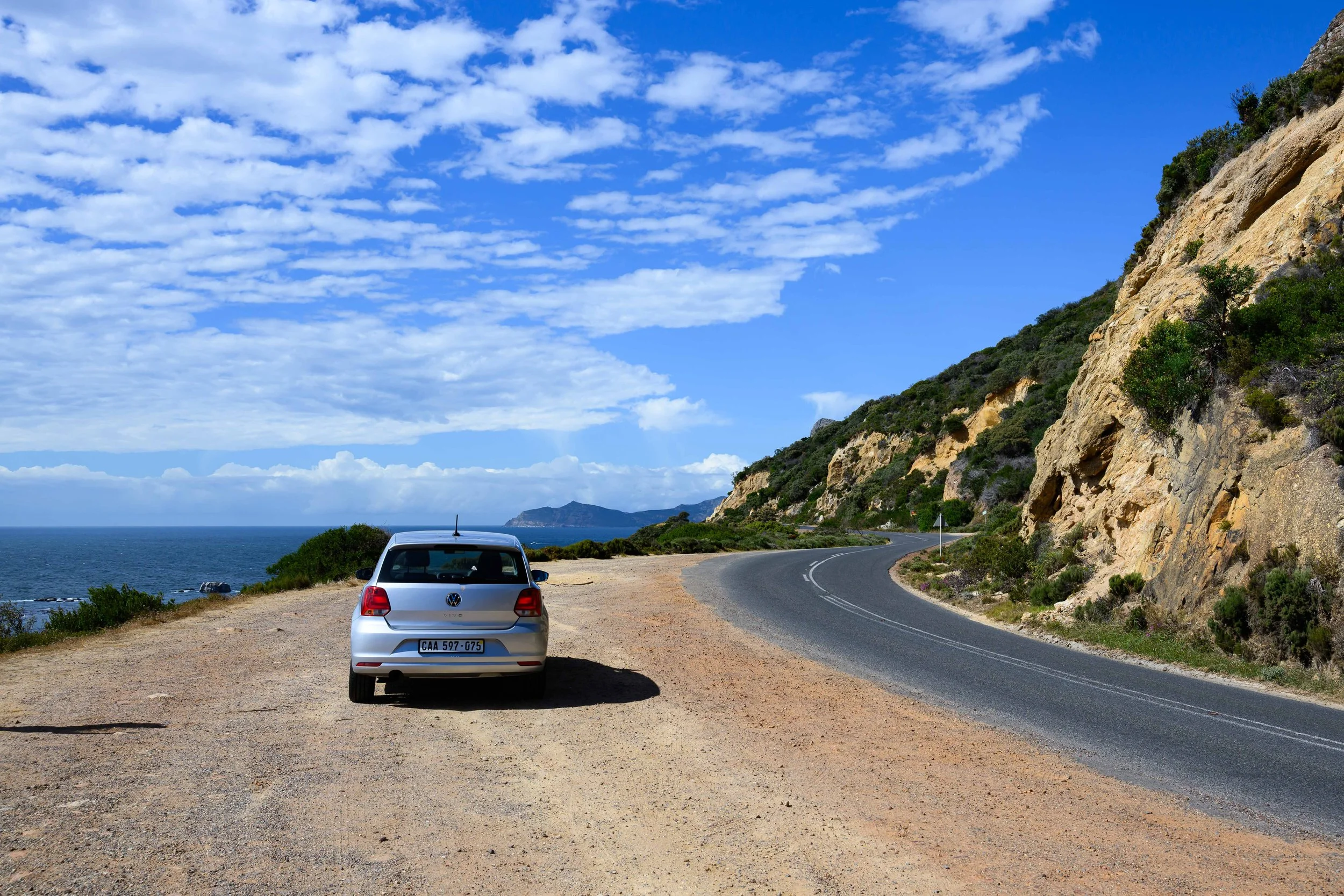
Uber
Uber is widely used in Cape Town and is a reliable and reasonably priced way to get around, particularly if you do not plan to rent a car or want to avoid driving in the dark/when you’re having a drink.
We used Uber frequently for restaurant visits, short journeys between neighbourhoods, and nights out when parking or driving felt unnecessary.
A few tips from experience:
Prices are very reasonable compared to UK cities.
Uber Comfort or Uber Black are worth selecting for a noticeably better experience, especially on longer journeys.
We would avoid Uber Go, as vehicle quality and comfort can be inconsistent.
Cars usually arrive within minutes in central areas like Sea Point, Green Point and the City Bowl, making it one of the easiest ways to move around the city safely.

Hiring a Driver
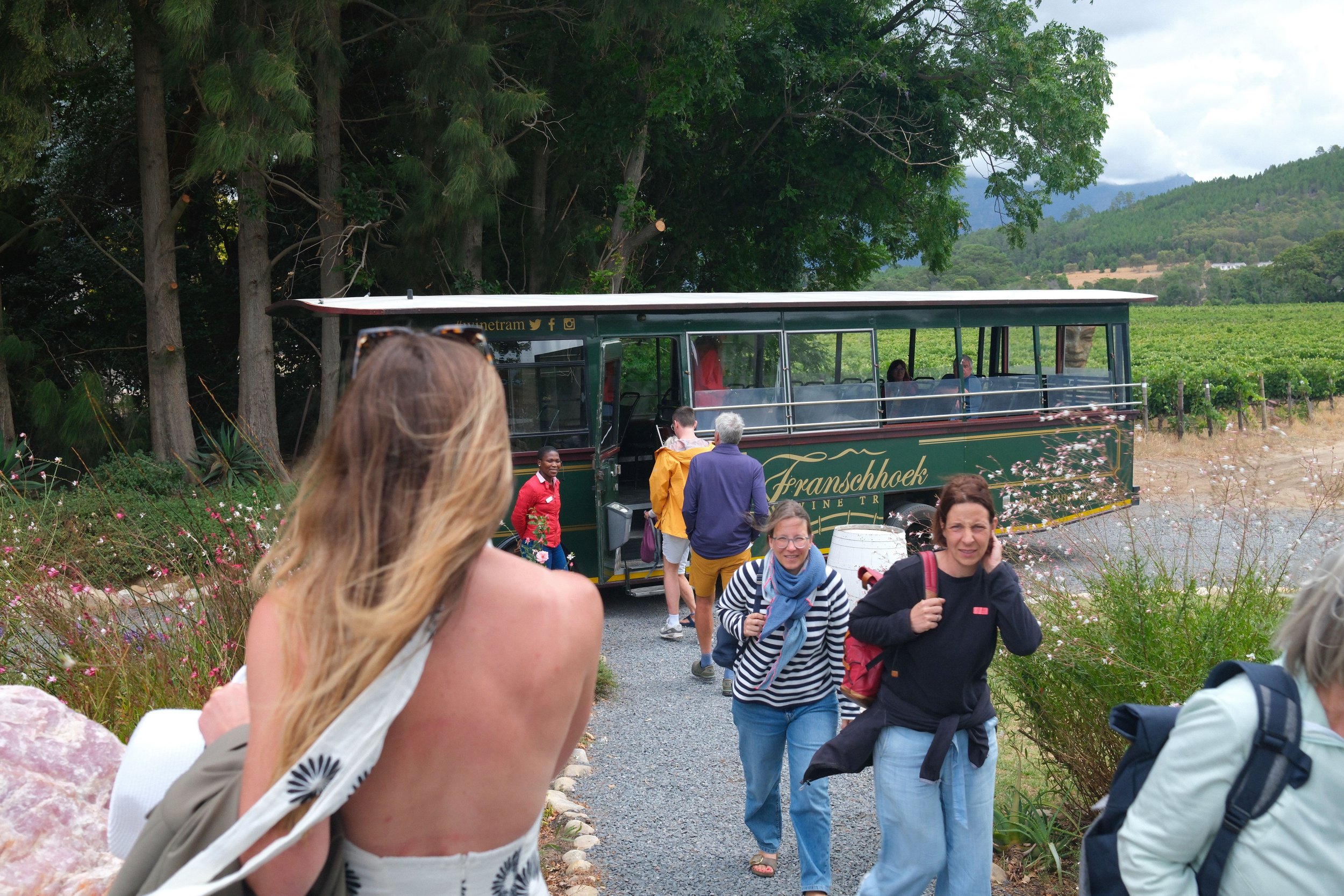
If you would rather not drive yourself but still want flexibility, hiring a private driver for the day is an excellent option. This is particularly popular for wine tasting days or full-day peninsula tours.
A private driver collects you from your accommodation and stays with you for the entire day, allowing you to move between stops at your own pace rather than following a fixed group itinerary. It works especially well for:
Cape Winelands visits (Franschhoek, Stellenbosch, Constantia)
Cape Point and Peninsula drives
Multi-stop food or sightseeing days
Families who need to use car seats and store things safely
The biggest advantage is convenience. You avoid navigation, parking, and driving after wine tastings, while still keeping complete control over your schedule. Many hotels and guesthouses can also organise trusted drivers, which is often the simplest route once you arrive.
We’ve never done this before so can’t vouch for any company but if you contact your accomodation they should be able to help arrange something for you.

Public Transport Options
Cape Town does have several public transport options, although in reality, most visitors tend to rely on Uber or a rental car. We personally never used public transport during our stays as we had our own car, but here’s a quick overview of what’s available.
MyCiTi Bus - www.myciti.org.za
The most visitor-friendly option. Modern, clean and generally well reviewed. Connects the airport, City Bowl and parts of the coastline. A good budget option if you are staying along its routes.
Golden Arrow Buses - www.gabs.co.za
Cape Town’s long-running local bus network has been operating for over 160 years. Mainly used by residents commuting through outer and developing neighbourhoods rather than tourists.
Minibus taxis
Extremely cheap (often around R15 per trip) and used by locals across the city. You will see these minibuses everywhere cutting up cars and ignoring all road traffic rules. They are often extremely crowded, with loud music, and they don’t stick to strict routes or schedules.
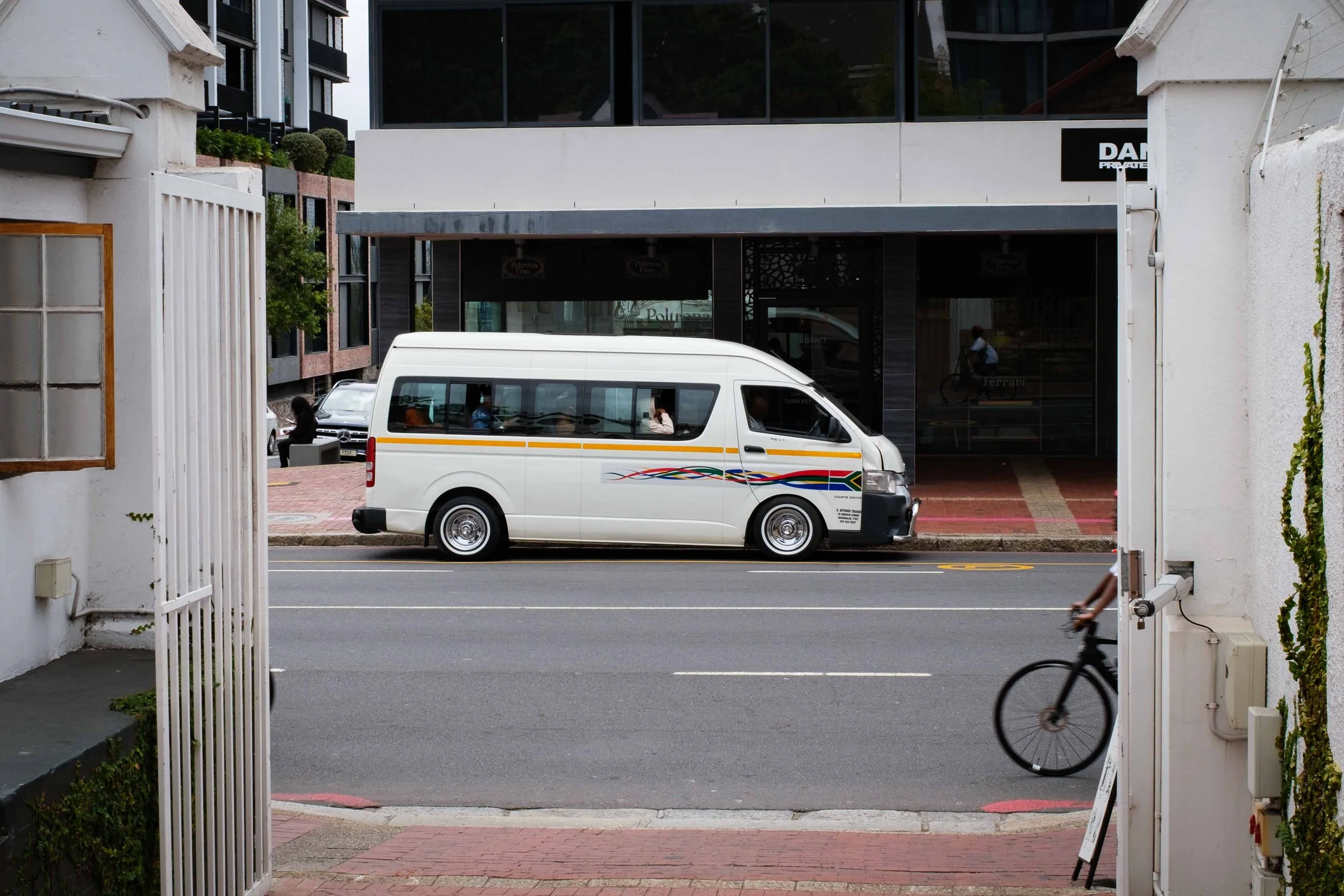
Taxi ranks are often located near train stations, including Cape Town Railway Station. While widely used locally, we would not recommend these for most visitors unless you are a seasoned traveller with experience handling yourself in Africa. The risk of crime is very high in these.
Trains
Cape Town’s rail network exists but is generally not recommended for visitors. Safety and reliability can vary, and there are far easier ways to get around the city.

The Hop-On Hop-Off Bus (City Sightseeing)
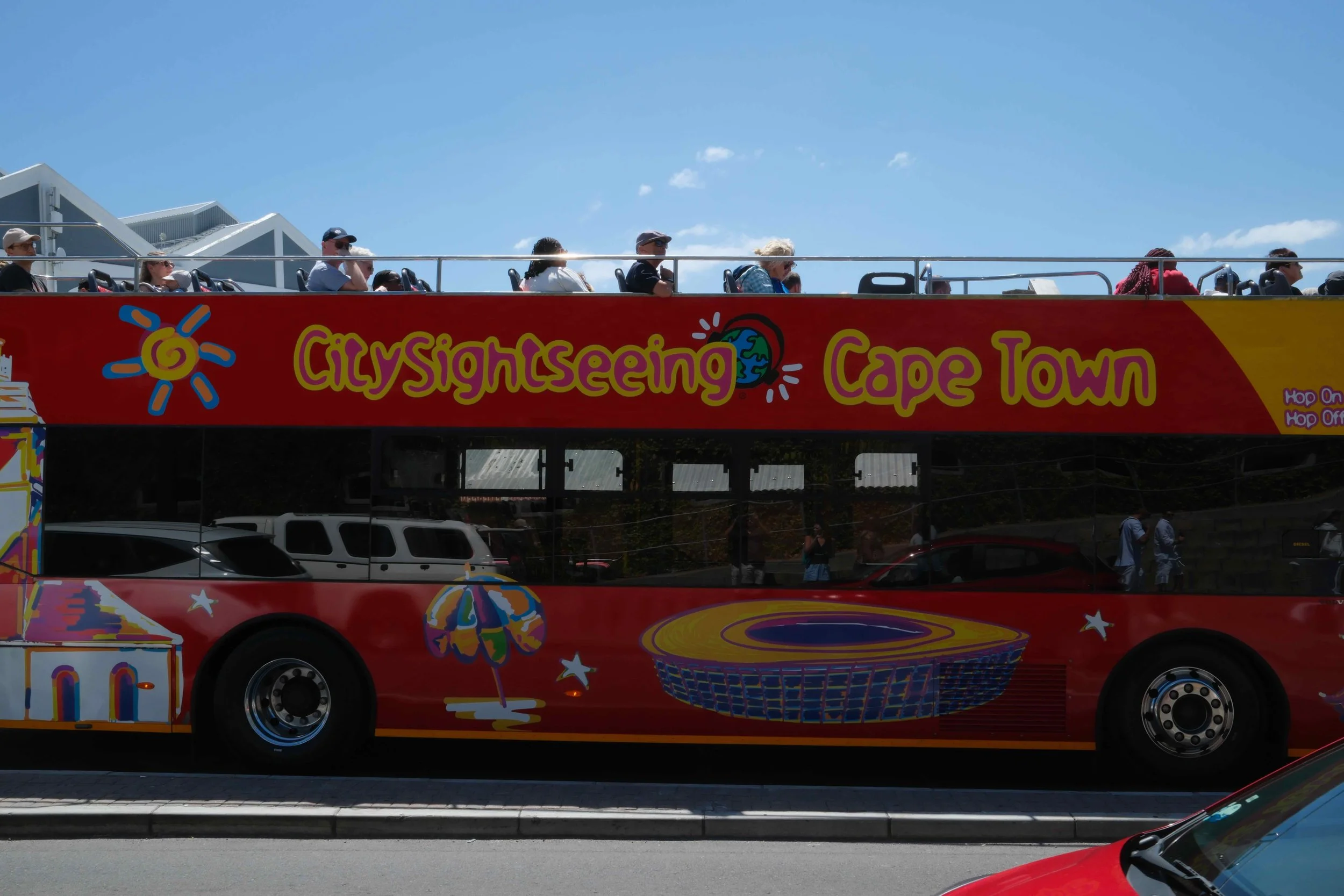
Another easy option, particularly for first-time visitors, is the City Sightseeing Hop-On Hop-Off Bus. These open-top red buses run set routes around Cape Town’s main attractions and can be a surprisingly convenient way to get your bearings without needing to drive or organise multiple Ubers.
Key things to know:
The 2-day ticket usually offers the best value and allows you to explore at a relaxed pace.
Routes cover major highlights including the City Bowl, Camps Bay, Sea Point, the V&A Waterfront and Table Mountain.
There is also a dedicated route into the Constantia wine region, making it an easy way to visit vineyards without driving.
Buses run frequently, so you can hop off at stops that interest you and rejoin later.
It is naturally more tourist-focused than other transport options, but if you are short on time or prefer a structured way to explore, it can be a simple and stress-free introduction to the city.
Walking Around
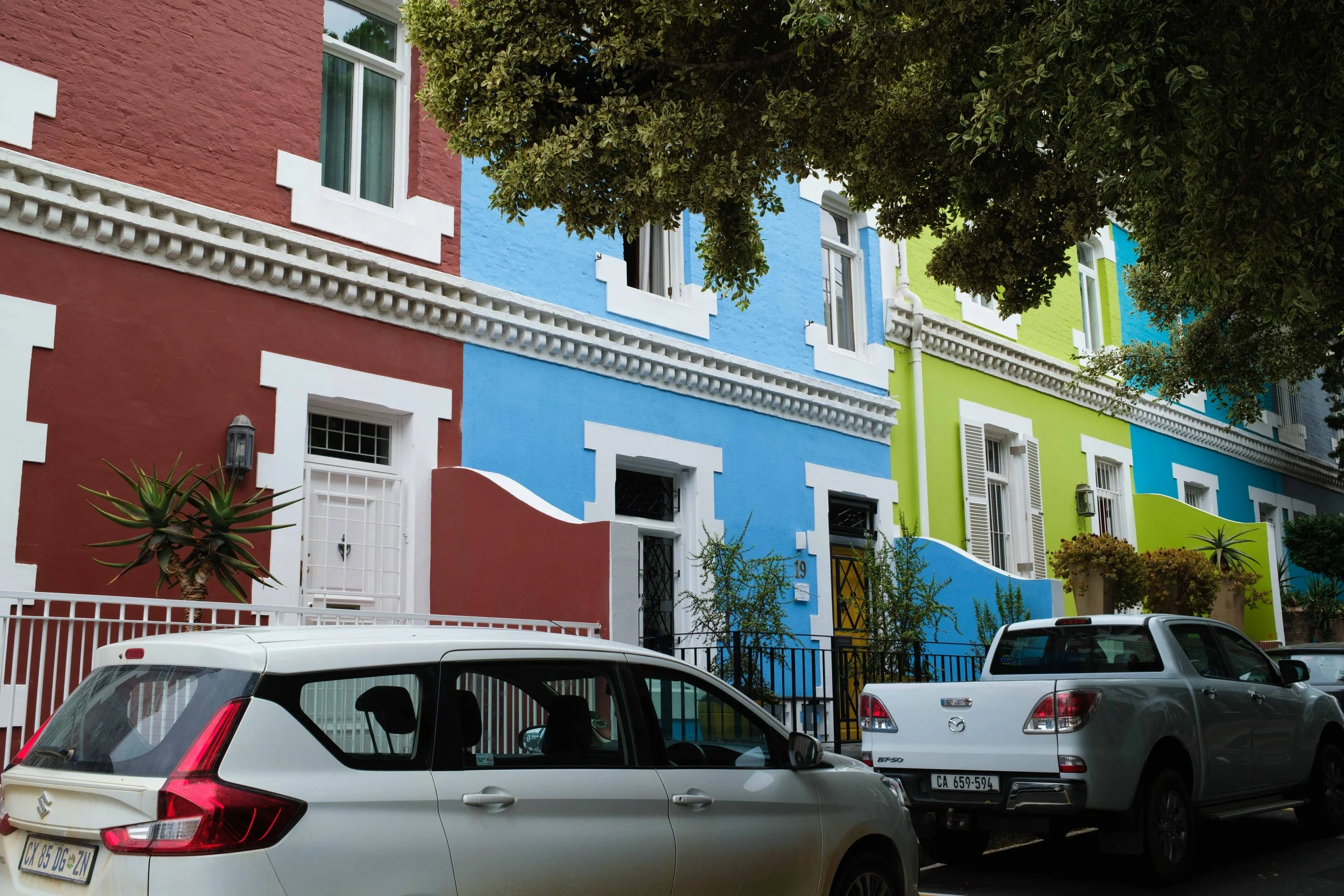
Walking in Cape Town really depends on where you are and the time of day.
During the day, walking around popular areas is generally fine, especially in neighbourhoods like Sea Point, Green Point, Camps Bay and the V&A Waterfront, where there are plenty of people around.
That said, it is not a city where you can wander aimlessly between neighbourhoods. Distances are larger than they appear, and areas can change quickly.
It helps to know where you are going and plan your route, rather than exploring blindly.
There is a high risk of phone snatching, chain snatching, aggressive begging and mugging.
After dark, walking between areas is not a good idea. Even short distances are better covered by Uber, which is inexpensive and widely used by locals and visitors.
In practice, most people follow a simple rhythm in Cape Town: walk locally during the day, then use Uber or a car to move between neighbourhoods.
Renting a Bike
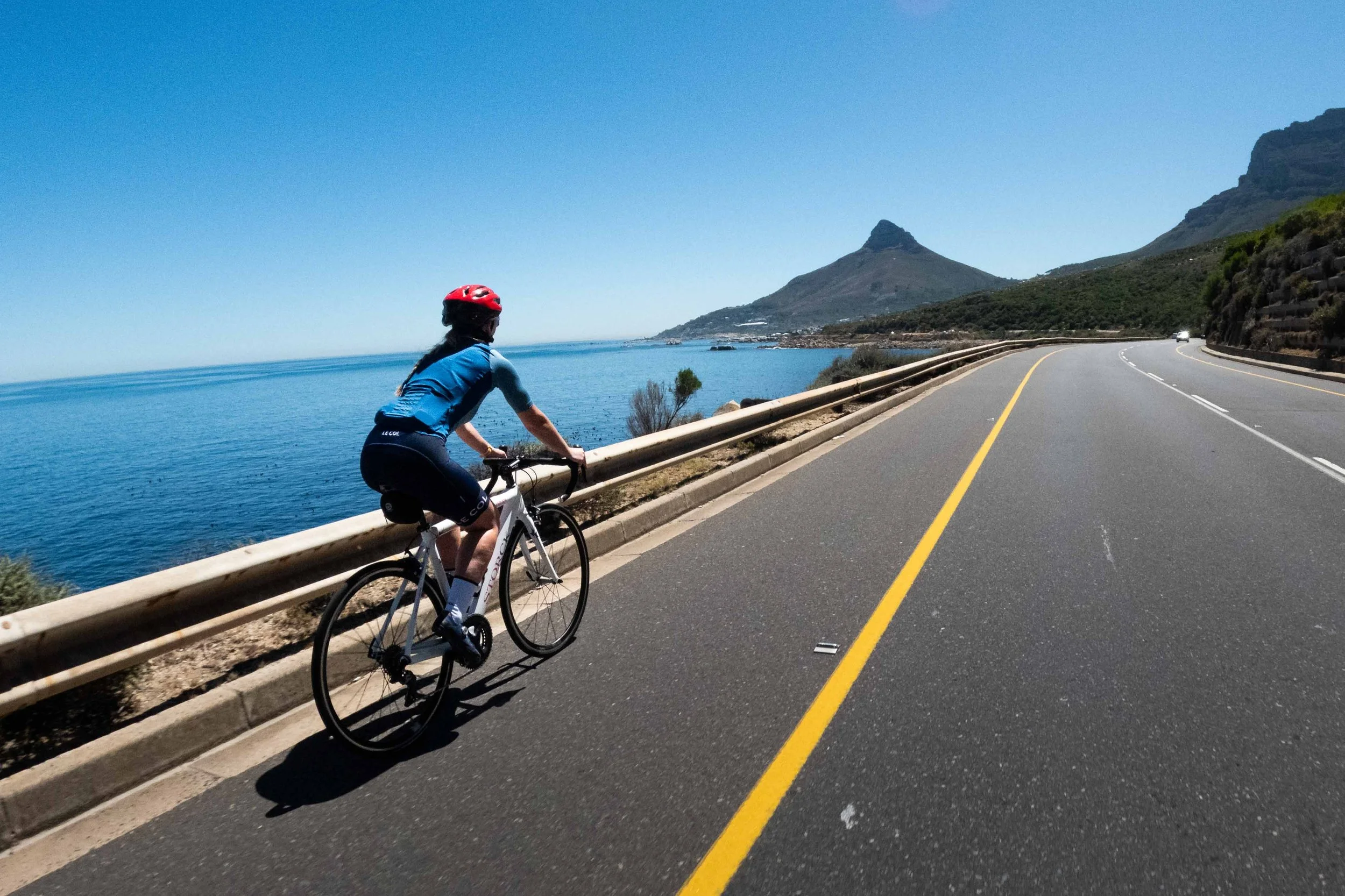
Renting a bike can be a brilliant way to experience Cape Town, especially if you enjoy being active while exploring.
Road bikes are great for getting around scenic parts of the city, particularly along the Atlantic Seaboard. Routes between Sea Point, Green Point and Camps Bay are popular, and early mornings often see large groups of local cyclists out on the roads.
Mountain bikes open up a completely different side of Cape Town, with access to incredible nature trails around Table Mountain, Tokai Forest and the surrounding reserves.
Cape Town has a strong outdoor and cycling culture, so bike rental shops, guided rides and well-known cycling routes are easy to find.
Just keep in mind that traffic can be heavy in places, so sticking to established cycling routes or quieter times of day makes for a far more enjoyable ride.
Final Thoughts
Getting around Cape Town is fairly straightforward once you understand how the city works. Its layout, shaped by mountains and coastline, means distances can be deceptive and moving between neighbourhoods usually requires a bit of planning.
For most visitors, the best approach is simple: hire a car for flexibility, use Uber for convenience, and walk within individual areas during the day. Public transport and organised options like private drivers or the hop-on hop-off bus can work depending on your travel style, but having reliable transport makes a huge difference to how much of Cape Town you are able to experience.
Ultimately, Cape Town rewards those who explore beyond one neighbourhood. Some of the city’s best beaches, restaurants, wine farms and viewpoints are spread out, and getting between them is part of the adventure.
More From Cape Town













How to get around the Mother City safely and effectively