
Workshop Coffee Belgravia: Coffee Masterclass Review
There's a point in any hobby where the information stops being the bottleneck. You've read the books, watched the YouTube videos and bought the kit. What you haven't done is spend a morning doing the thing repeatedly, in a room with someone who can tell you exactly what you're getting wrong.
That's what drew us to Workshop Coffee's masterclass. We make espresso at home every morning, routinely pour ourselves V60s, and have done coffee classes before — both in London and on our travels. So when Workshop invited us to their new Belgravia cafe and academy, we were curious what a roaster with their pedigree would add to what we already knew.
Turns out… plenty.
For those with short attention spans:
What: We did a two-hour coffee masterclass at Workshop Coffee's new Belgravia cafe and academy
Who it's for: Home baristas who want to sharpen their skills or complete beginners who want to get into coffee. Especially those who have just bought a Sage machine
Our verdict: Genuinely useful, even for people who already make good coffee at home. The cupping session alone changed how we taste coffee beans and understand tasting notes. Getting to pour coffee after coffee, learning how different settings affect the taste, and practice latter was very valuable
Price: £95 for 3 hours (Sage Home Espresso Masterclass)
Where: Workshop Coffee Academy, 22 Eccleston Street, Belgravia, SW1W 9LT
Who are Workshop Coffee?
Workshop are one of the names that have helped shape London's speciality coffee scene over the last thirteen years. They had a few cafes spread across the city, but six years ago, they closed them all to focus on their wholesale business, supplying beans to some of the city's high-end restaurants and hotels. Now, in 2026, they're back with a cafe of their own.
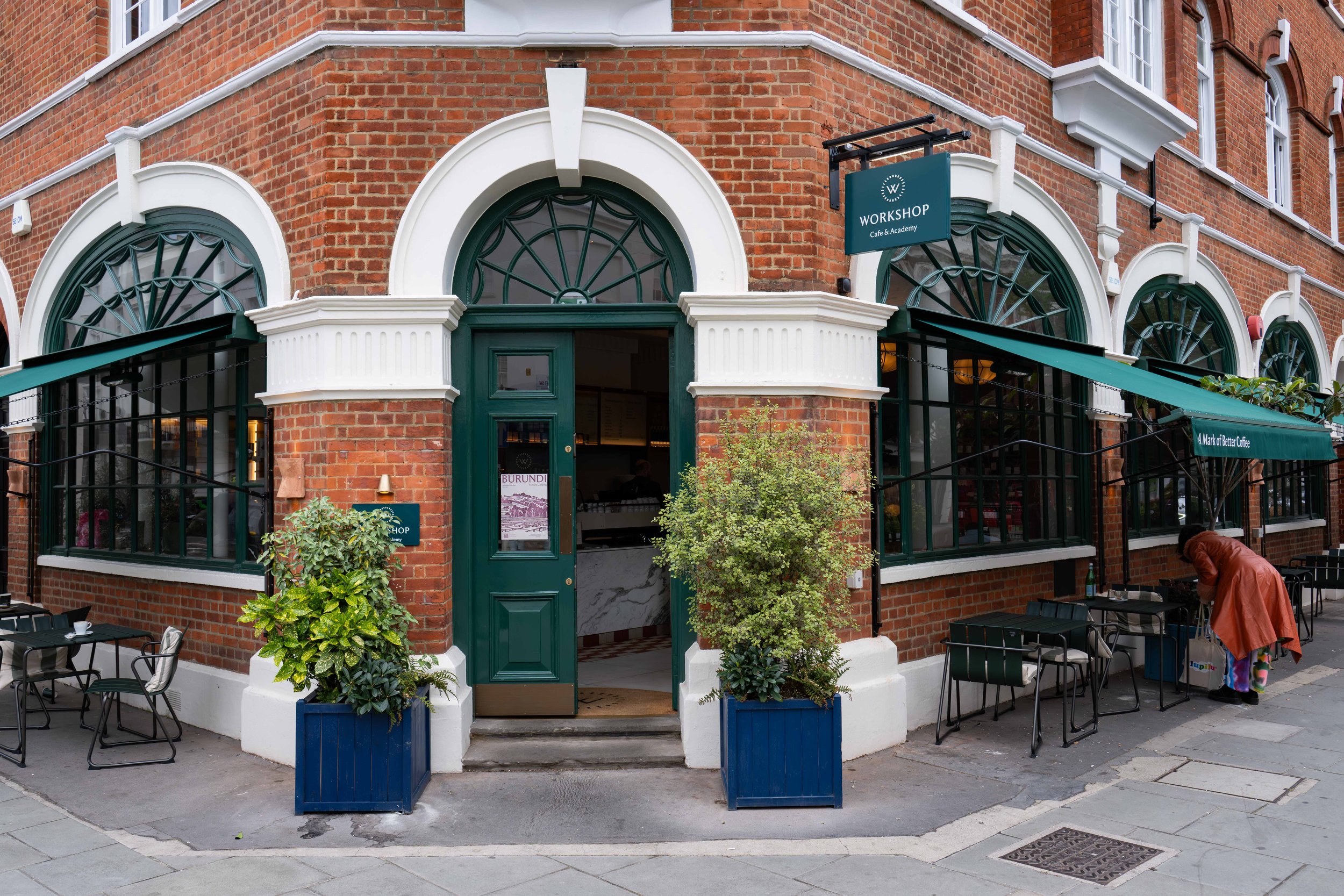
Their Belgravia site is a single space housing the cafe, the wholesale business, and the academy where they teach their craft.
Workshop supplies:
Claridge's
Raffles at The OWO
Hotel Café Royal
The Langham
Fortitude Bakehouse (Bloomsbury) — a personal favourite of ours
Bluebird Brothers (Clapham)
Our Coffee Masterclass Experience
Our teacher was Alex Hedge (@hedgebun), who has worked with Workshop across its various incarnations. Before we'd touched a portafilter, he asked what we already knew, and what we actually wanted out of the session.
I wanted to sharpen my espresso dialling-in
Alice wanted to get better at latte art
We both wanted to learn to actually taste the difference between beans and undertsand the tasting notes you find on coffee bags
From that short conversation, Alex shaped the next two hours around us.
Starting from the seed (and the skin)
Alex opened with the fundamentals, which are worth repeating even if you think you know them. Coffee isn't really a bean — it's the seed of a cherry. The fruit grows on trees, gets harvested, and then the seeds are extracted, dried, and roasted to become what we recognise as coffee.
How that fruit is processed and dried (washed, natural, or honey) shapes the flavour profile before the roaster ever gets involved. All this happens at the source and then the coffee is exported to the country where you are sat right now.
Here, at a local roastery (like Workshop), it's roasted, ground, and brewed.
Sounds simple on paper, but every step between the farm and your cup affects what you taste in your cup.
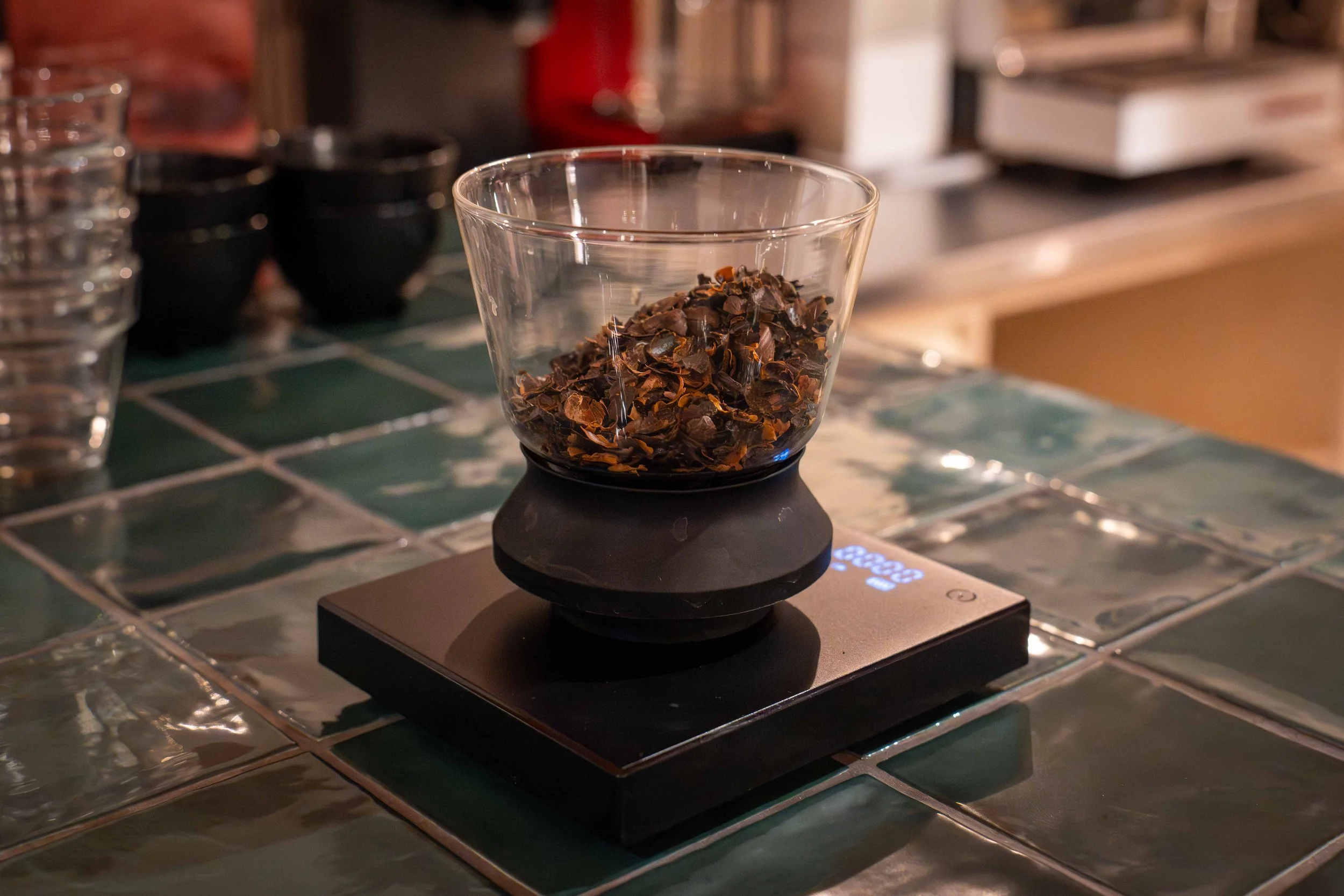
Cascara
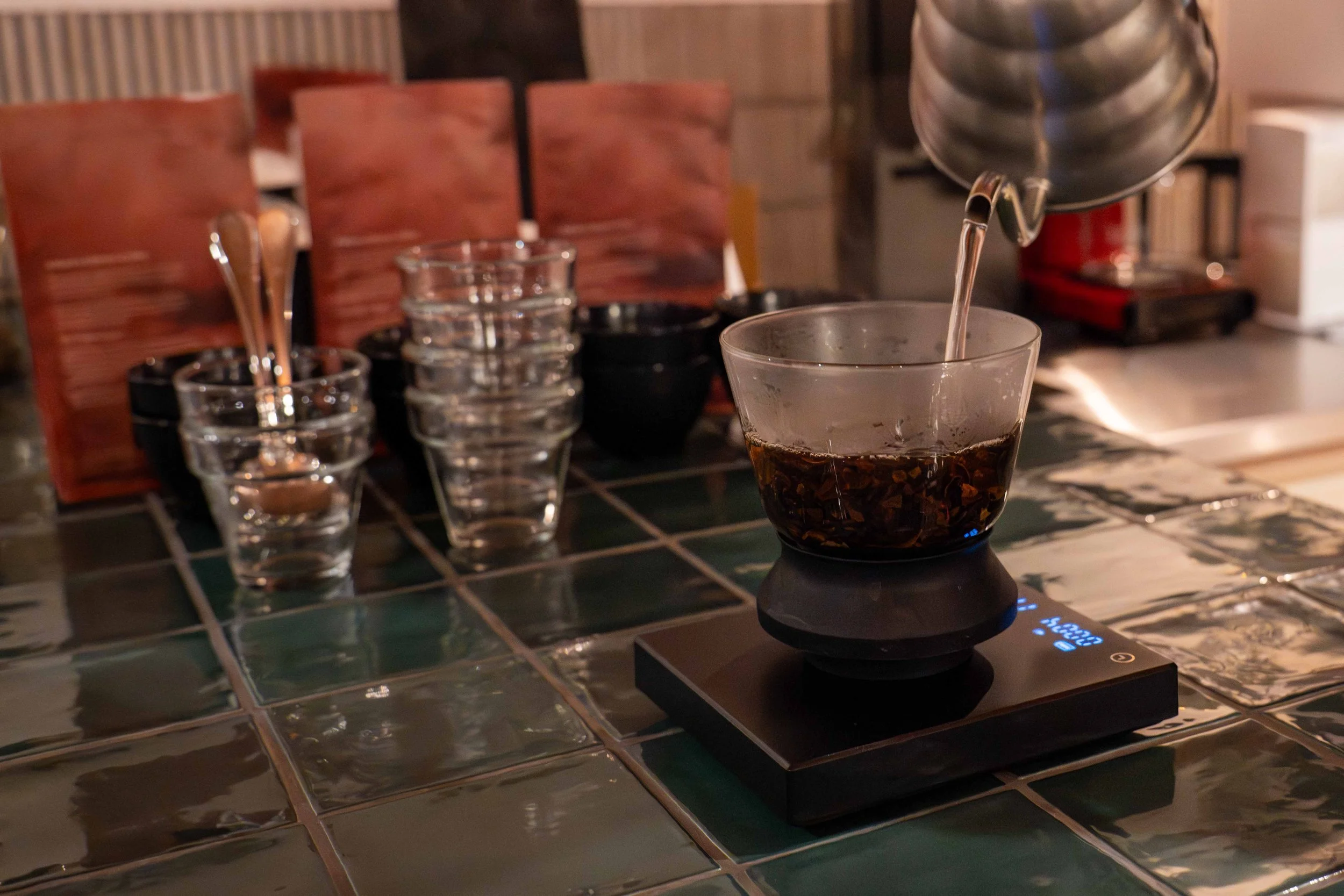
Alex told us the story of coffee with a side of cascara — a tea-like drink made from the dried skins and pulp of the coffee cherry.
For most of coffee's history, this skin was a waste product. Farmers would strip the bean and discard the rest. Cascara is part of a slow, sensible shift in the industry towards valuing the whole crop. Brewed, it tastes somewhere between rooibos and a light fruit tea.
Cupping: learning to actually taste
Once we'd covered the fundamentals, Alex moved us on to the part we'd been most curious about: cupping - the standard industry tasting method used by roasters and buyers everywhere, and a practice that's been around in various forms for over a century.
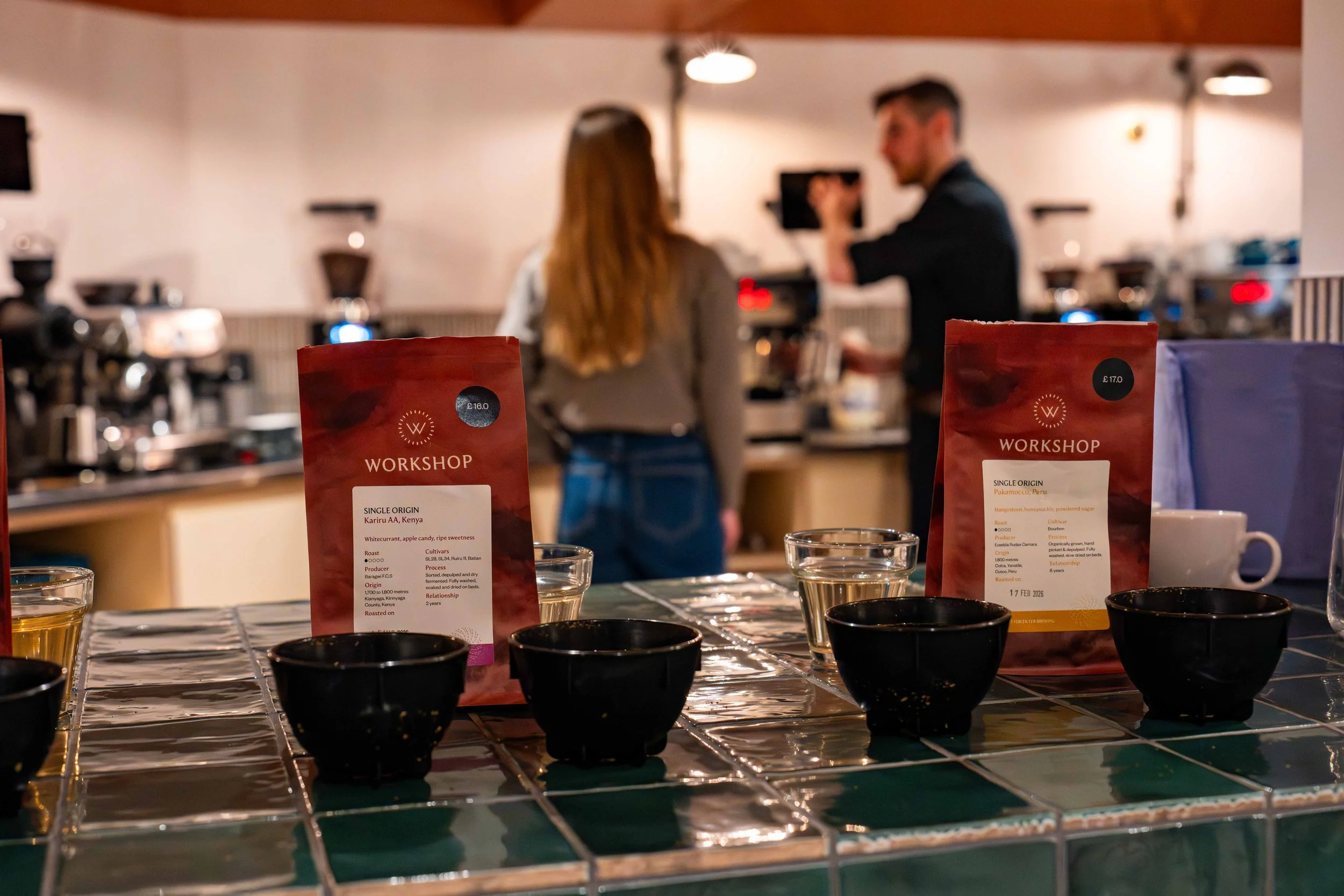
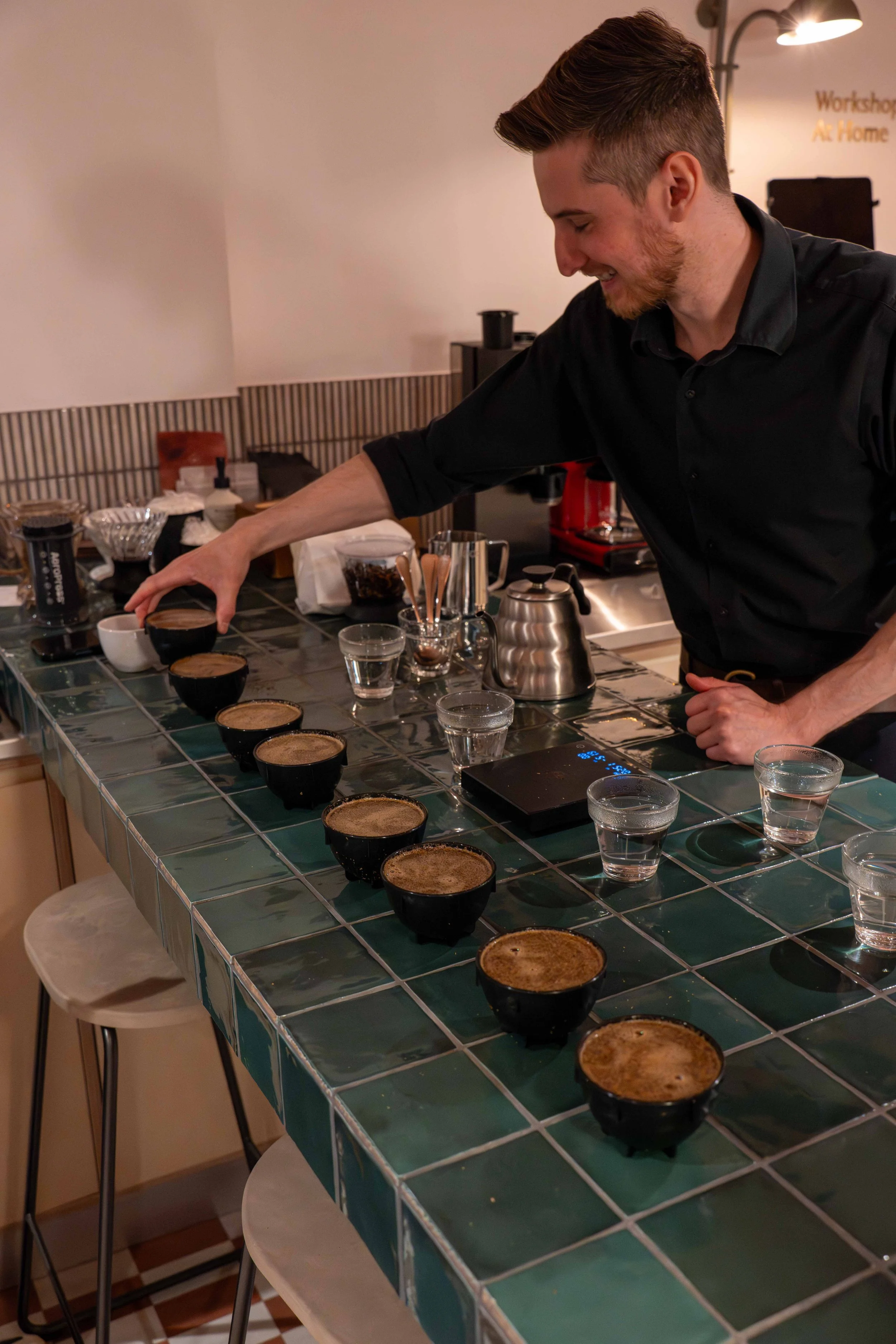
Alex ground three single origins alongside Workshop's espresso blend, and we worked through each one: smelling the dry grounds, brewing them in the cup, breaking the crust with a spoon and slurping loudly (it aerates the coffee across your palate) to compare the different beans.
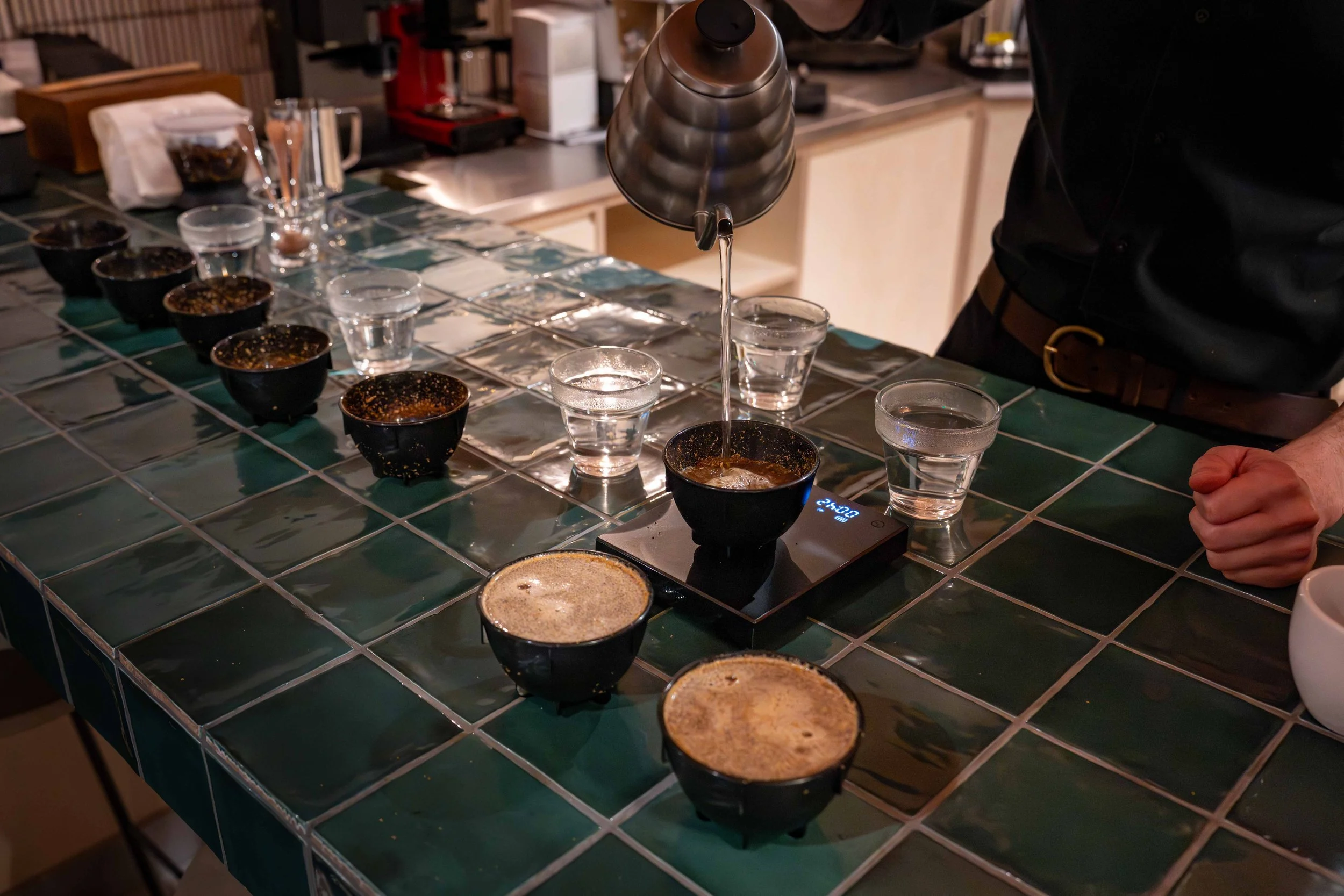
This was the part we came away most changed by. We've drunk a lot of single origins. We've read the flavour notes on the bag. But tasting four coffees side-by-side, with someone pointing out what to notice, is a completely different exercise from drinking them one at a time across four mornings.
The contrasts become more obvious.
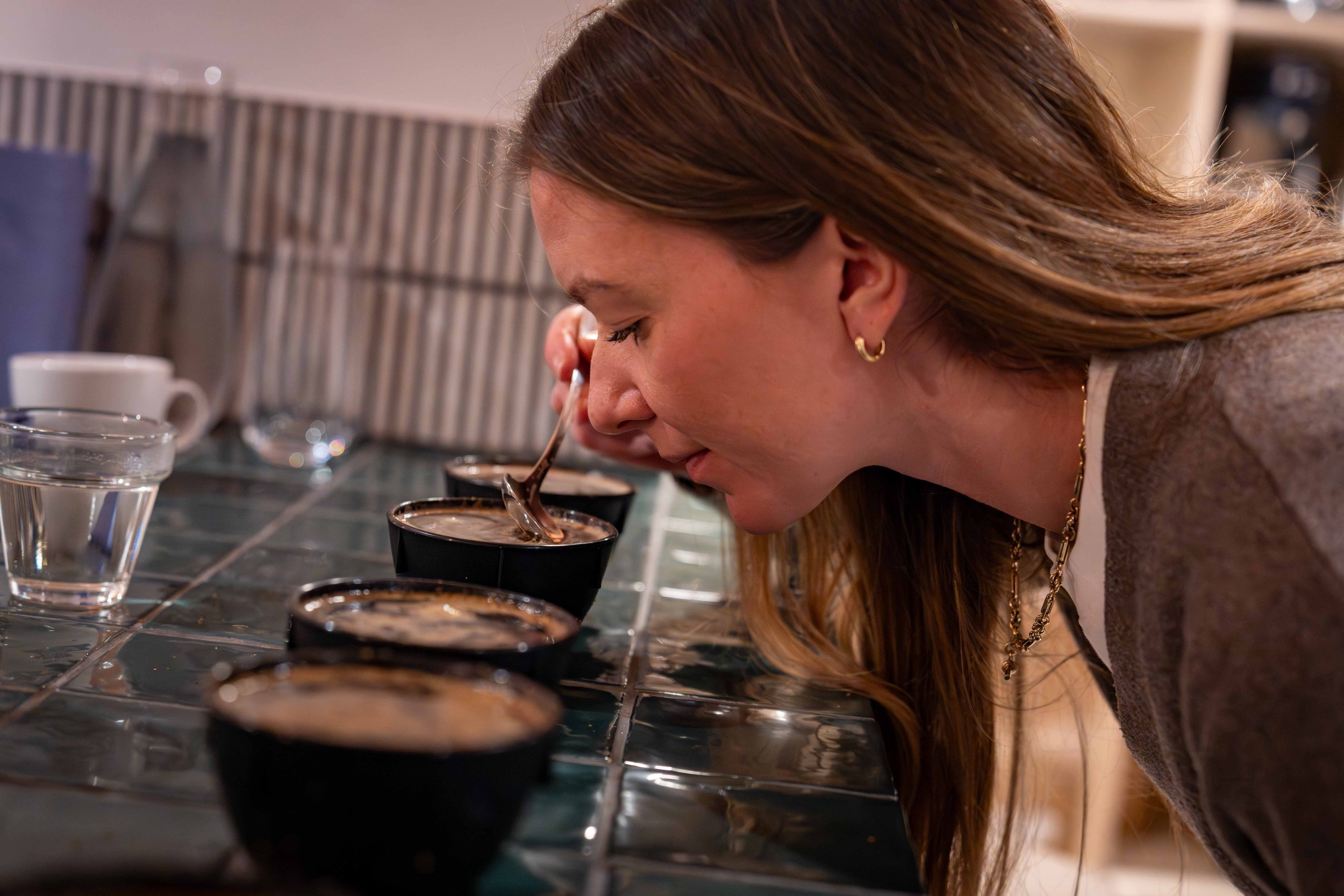
Alex explained how professional coffee tasters work with a vast library of recognised flavours and aromas, everything from specific fruits and florals to more abstract notes like "brown sugar" or "black tea".
When they cup a coffee, they're not inventing descriptions on the spot; they're pulling from that stored vocabulary, matching what's in the cup to reference points they've trained themselves to recognise. It's not unlike how a sommelier might describe a wine, except the flavour wheel for speciality coffee is equally detailed and just as nerdy.
Pulling espresso shots, over and over
Next up… espresso! Alex set us up at the professional machines — commercial-grade grinders and La Marzoccos — and walked us through the exercise. We'd be pulling shots, tasting them, adjusting one variable at a time, then pulling again.
Dosage, yield, grind size — each change shifts the extraction, and the only way to understand how is to taste the difference side by side.
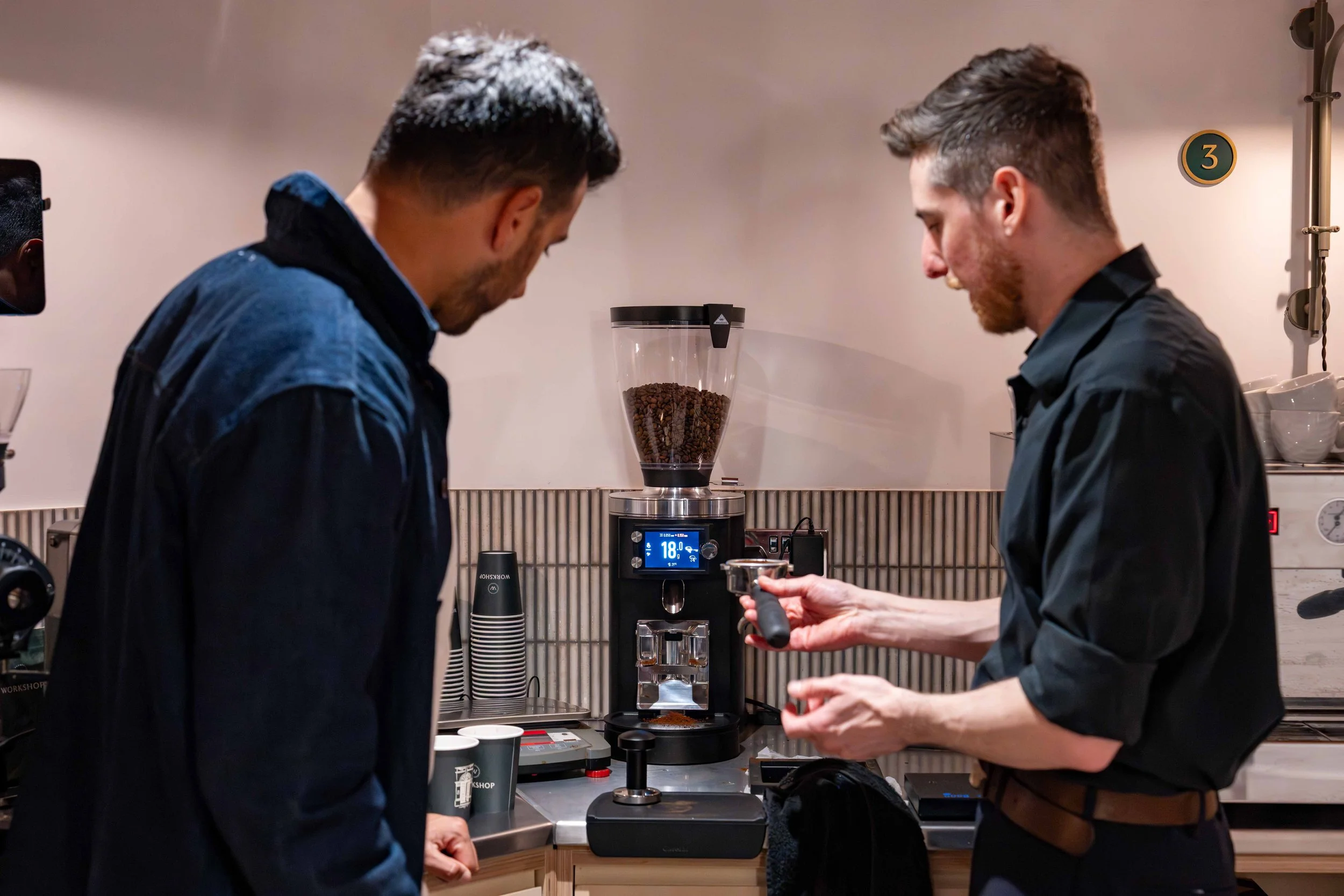
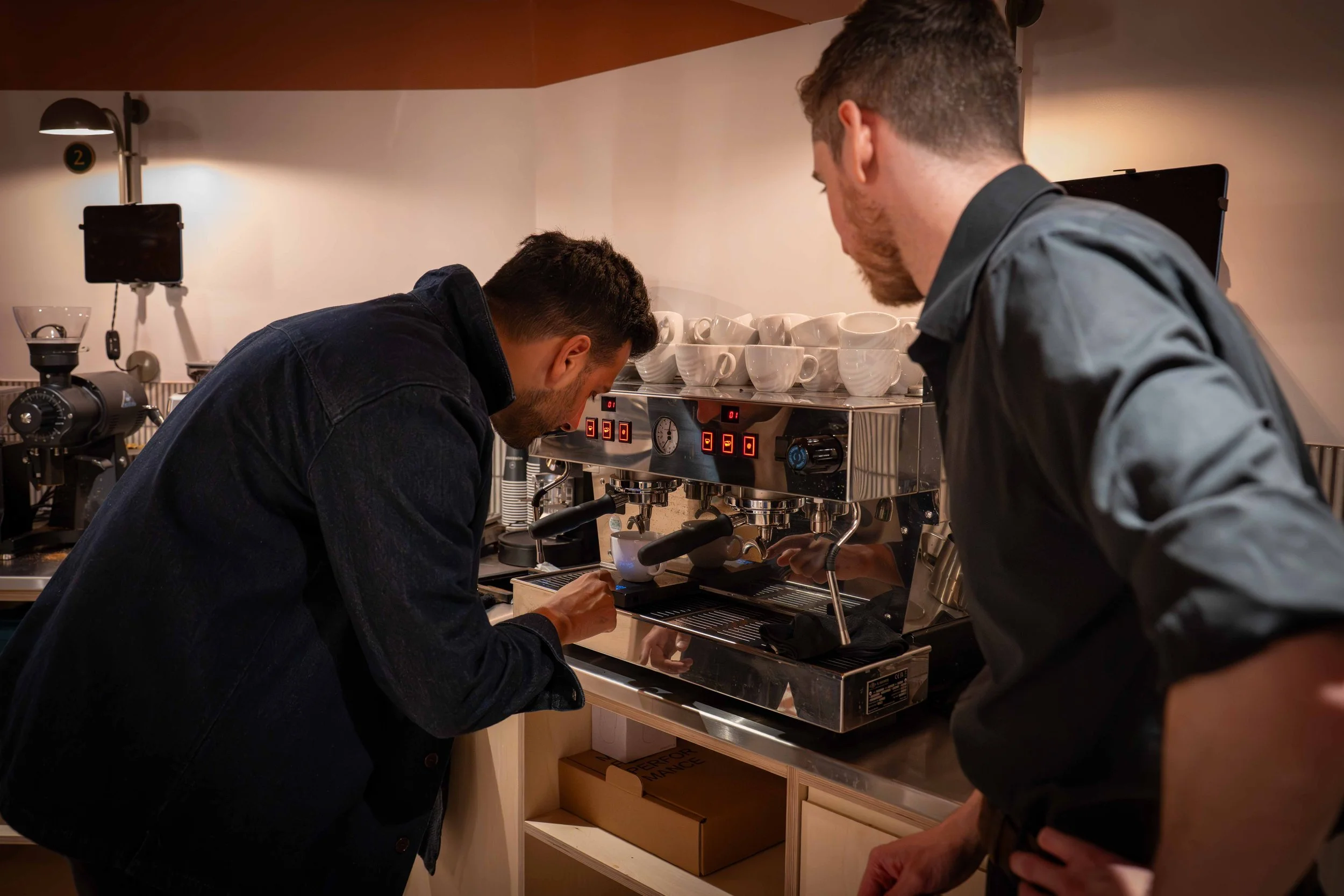
We'll be honest: most of the theory here we already knew. James Hoffmann's The World Atlas of Coffee and his YouTube channel have done the heavy lifting in teaching a generation of home baristas the fundamentals. But knowing is not the same as doing, and the single biggest value of this class is this: you get to pull shot after shot after shot without paying for every bag of beans you burn through.
Dialling in at home is expensive. You buy a bag, waste half of it finding your recipe, and by the time you've nailed it, you're nearly out. Here, under Alex's eye, you compress weeks of trial-and-error into a morning.
Latte art practice
With a few dozen espresso shots under our belts (and buzzing slightly from the caffeine), we moved on to milk.
Alex steamed a jug in about four seconds on the commercial machine — much faster than our slow pumping Sage machine at home — showed us how he pours, and gave us a progression to follow:
Get a consistent blob first
Then shape the blob into a heart
Then push on to a rosetta.
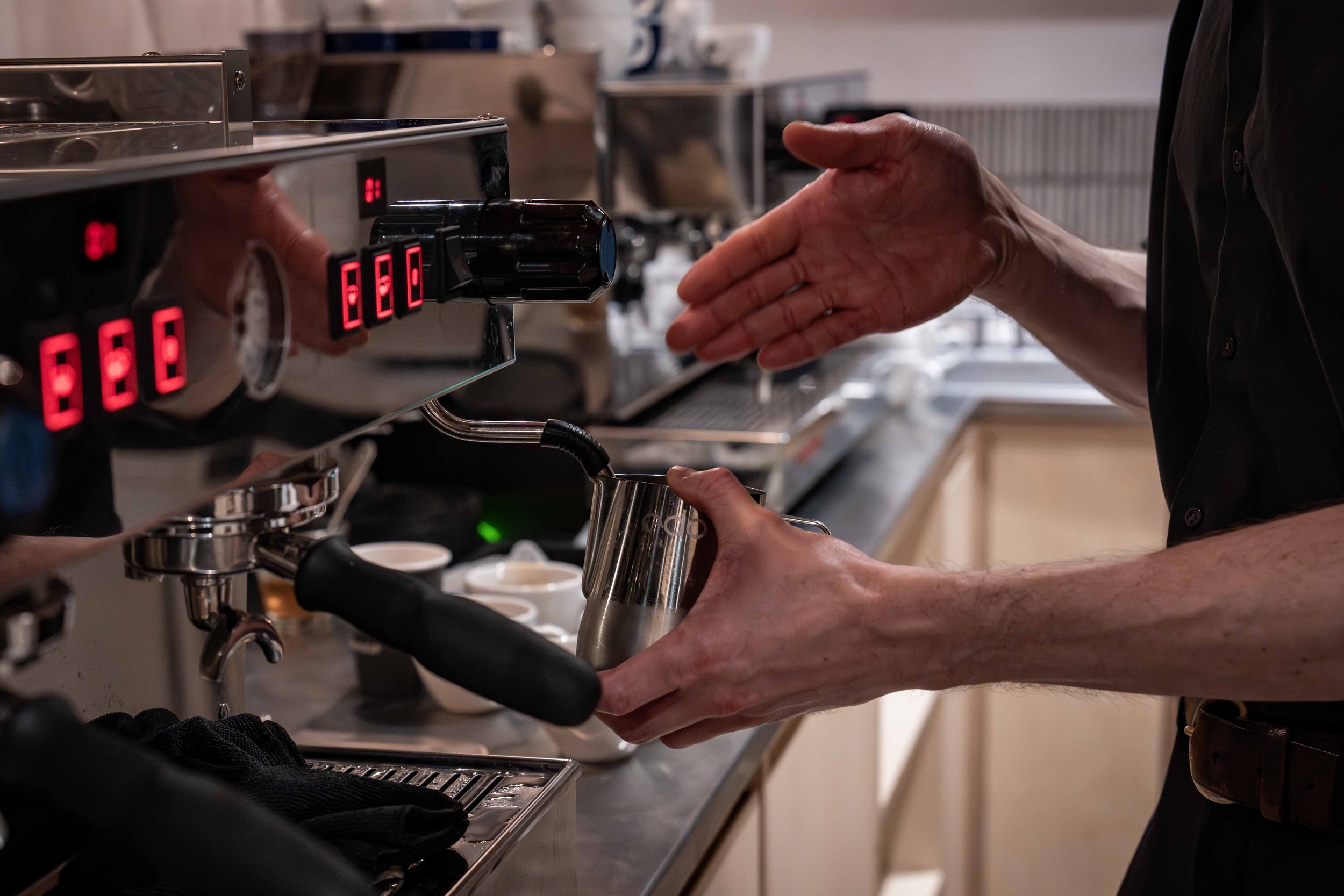
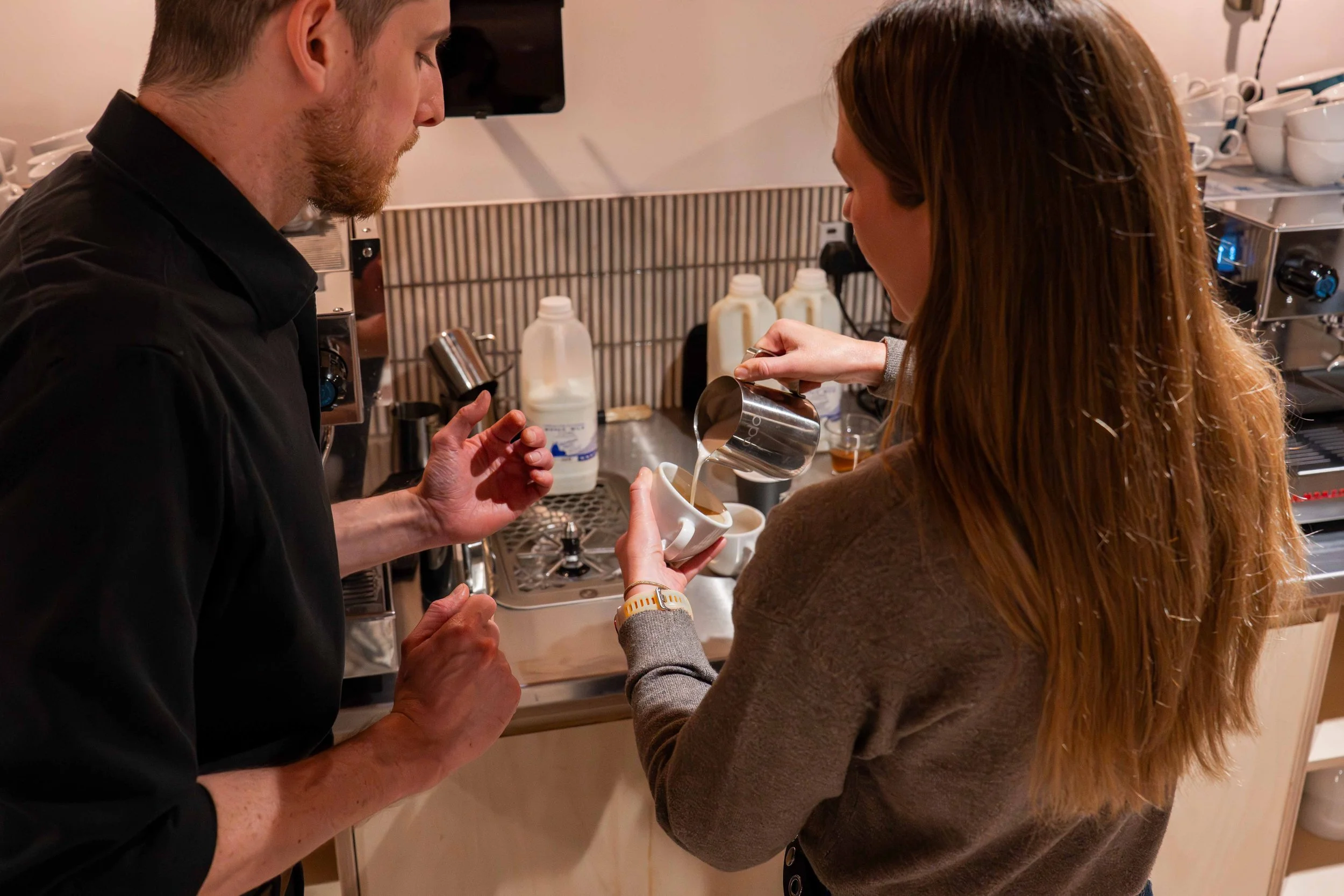
We spent the next twenty minutes pouring jug after jug, working through the progression from wobbly blob to something approaching a heart.
The repetition is the point — same logic as with the espresso. At home, this kind of practice means burning through litres of milk you'll never drink and feeling guilty about the waste. Here, you can fail ten times in a row without thinking twice about it.
So, is the masterclass worth it?
Here's where we have to be honest: we didn't pay for this class, so it’s unfair for us to say if it’s worth it or not. £95 for three hours isn’t nothing.
But frame it this way: if you've just spent hundreds (or even thousands) on a home espresso setup — and plenty of people reading this have — the cost of the class is negligible compared to your overall investment in coffee, and it'll make the rest of that money go further.
Books and YouTube will get you to maybe 70% of what you need. The last 30% — recognising flavour properly, feeling when your puck is right, knowing what steamed milk should look like just before it pours well — those are hands-on things.
You can brute-force them at home by burning through kilos of beans and litres of milk, or you can do it in an afternoon with someone who's already done it ten thousand times and get specific advice on what you might be doing wrong.
If you own a proper coffee machine at home and you want to get your money’s worth from your lovely, freshly roasted beans, this class makes sense!
Here's the full list of Workshop Coffee Academy classes and prices, which you can book via their website.
Home Barrista Classes
Sage Home Espresso Masterclass — £95 | 3 hours
Filter Brewing Masterclass — £95 | 3 hours
Feature Cuppings (monthly, different origin each time) — £10 | 2 hours
SCA Certified Courses
SCA Barista Skills Foundation — £300 | 1 day (+ £45 SCA registration fee)
SCA Brewing Foundation — £300 | 1 day (+ £45 SCA registration fee)
SCA Brewing Intermediate — £550 | 1 day (+ £45 SCA registration fee)
Workshop's Belgravia home sits just off Eccleston Yards, a calm redevelopment tucked behind Victoria Station with a good cluster of places to spend a morning. The yard is clean, quiet, and genuinely pleasant to walk around on a sunny day — a pocket of central London that almost doesn't feel like central London.
The cafe itself is bright, considered, and uncluttered. The academy is downstairs (no lift, worth noting if that matters to you).
We'll be back to properly review the cafe. We had so much coffee during the class that we were completely buzzed by the end, and didn't get to try the food.
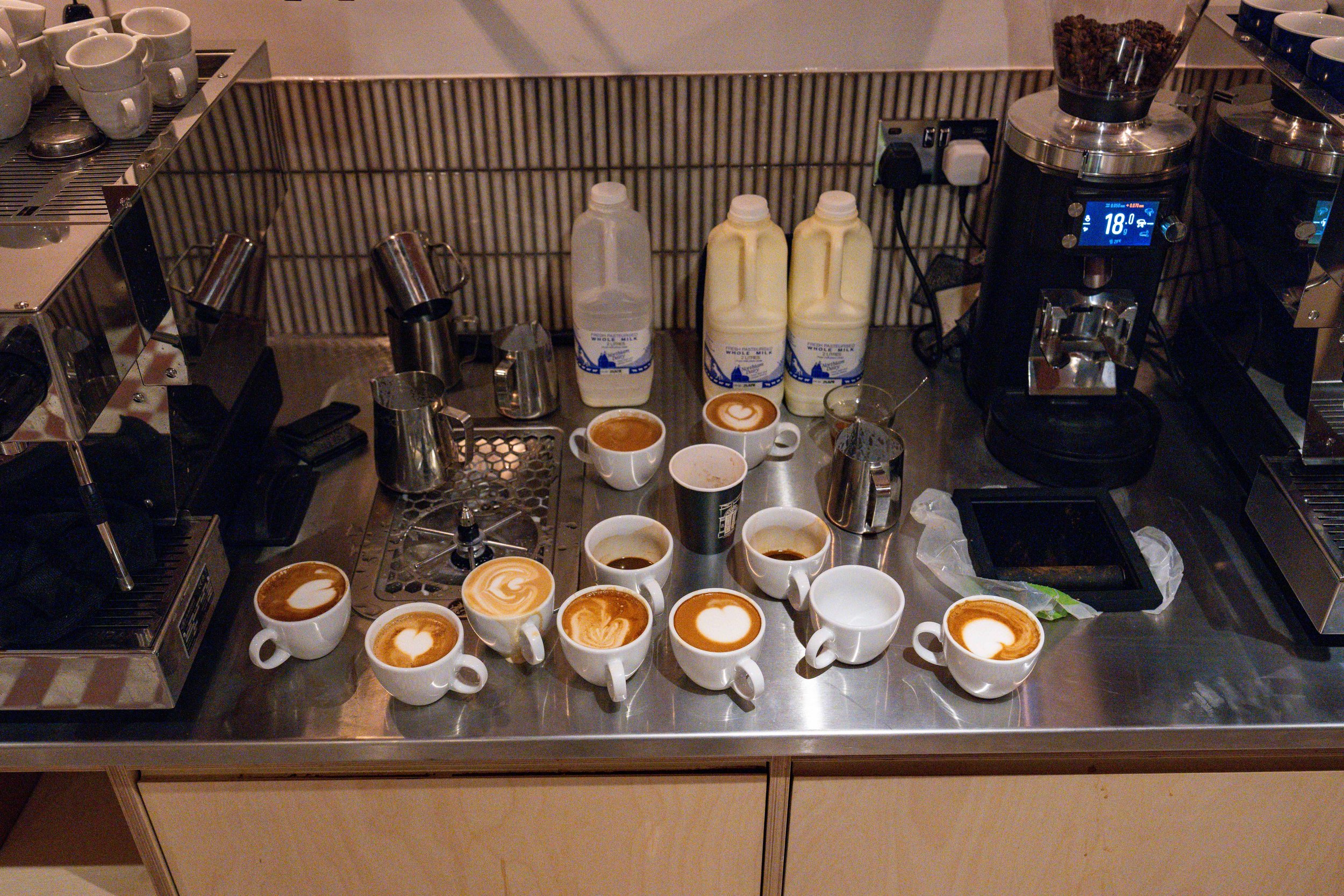
The Final sip
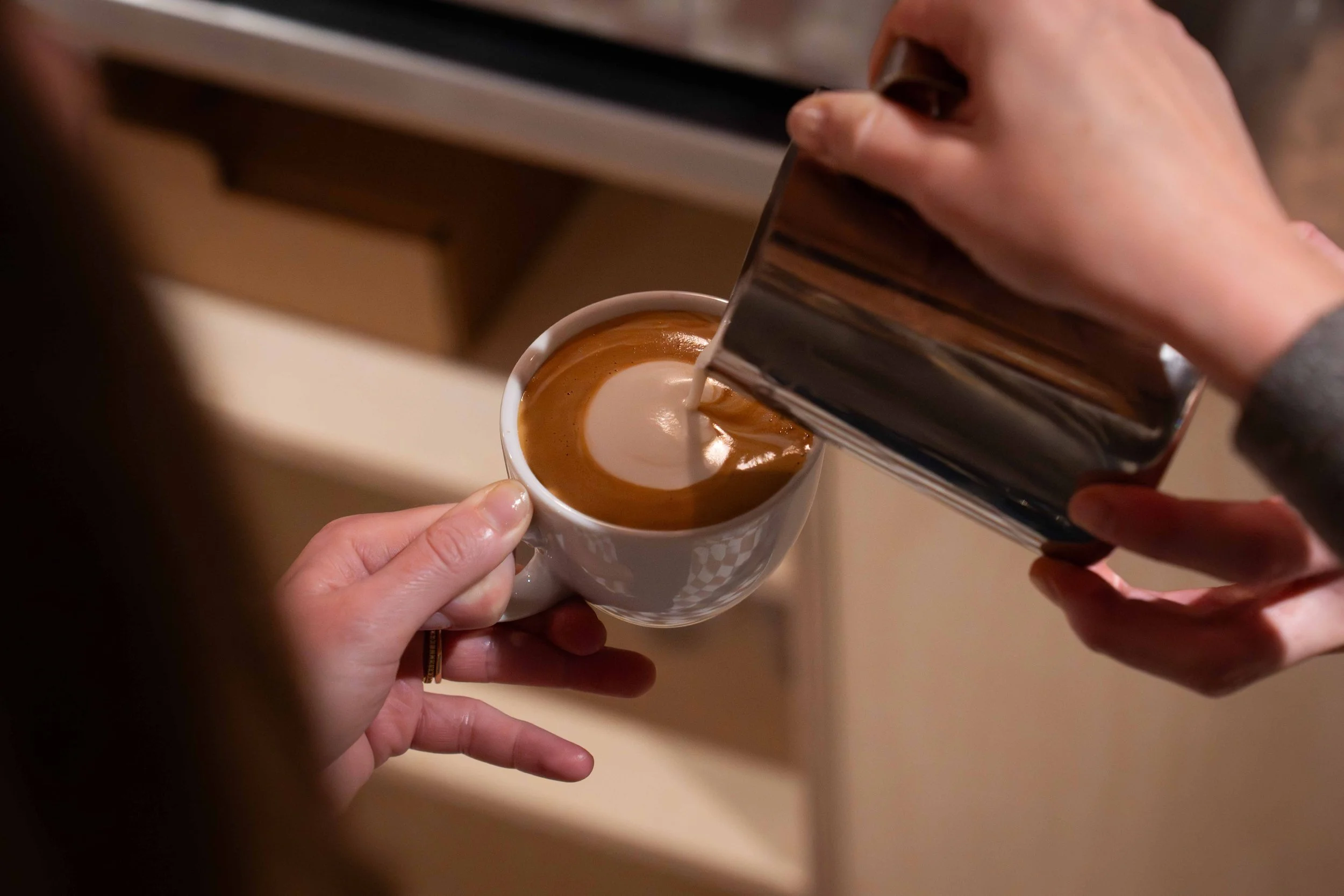
The best thing we can say about the class is this: the following week, our coffees at home are better. The shots are more consistent, the milk is smoother, and the latte art … well, it’s getting there!
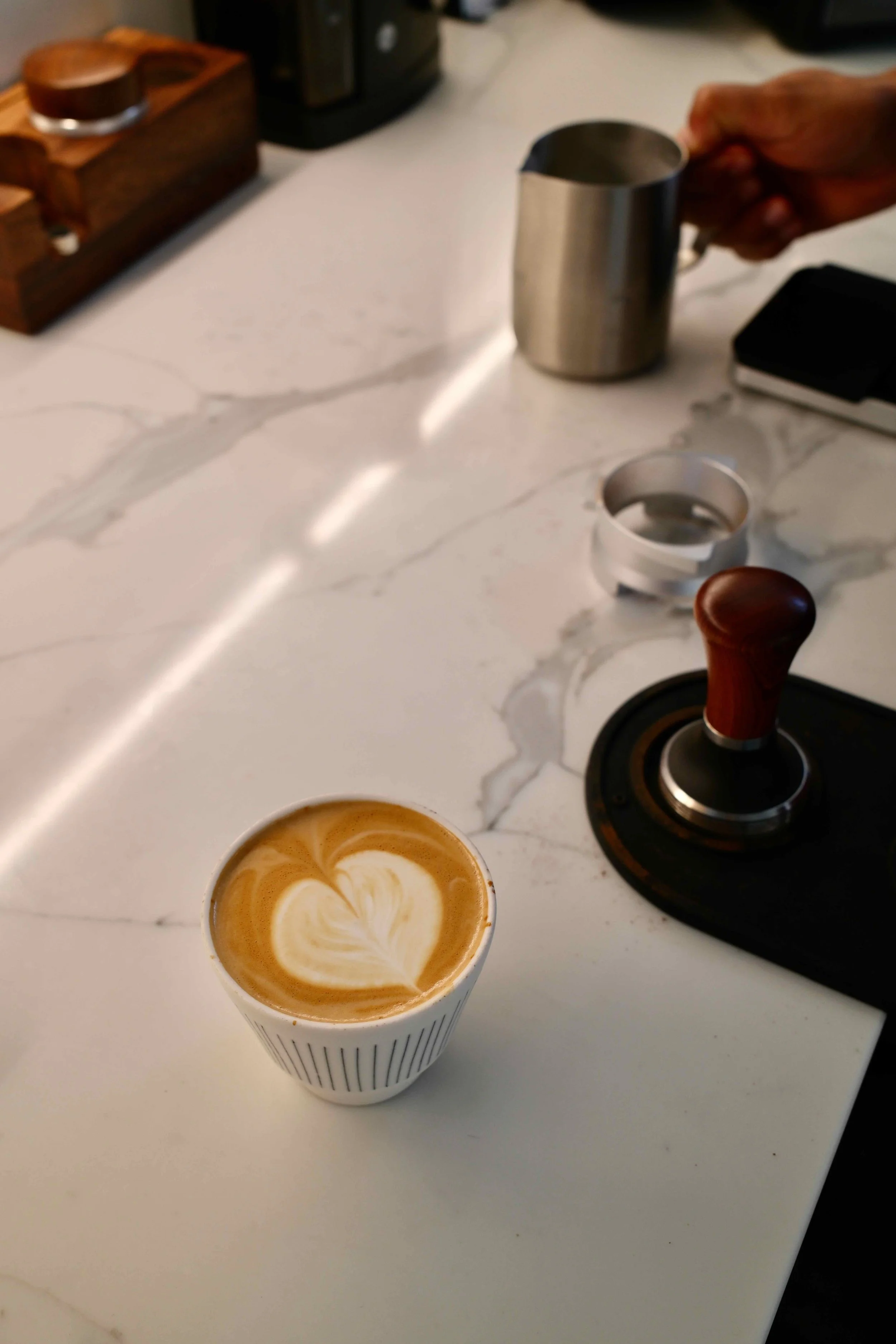
Not a bad flat white for a home brew!
You can learn a lot from a screen. But the gap between watching someone dial in an espresso and doing it yourself twenty times with feedback? That's what a masterclass is for.
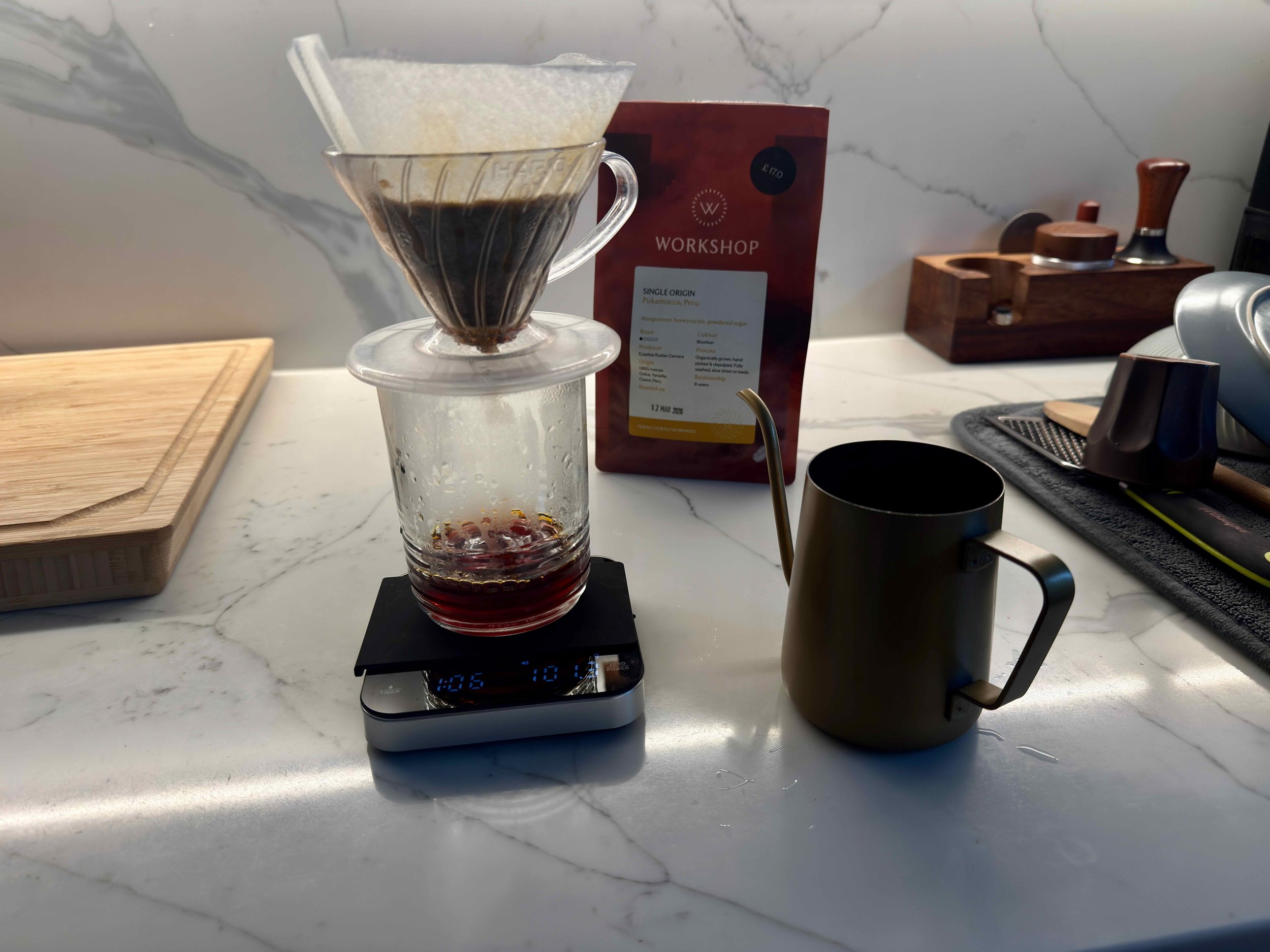
Enjoying some of their single origin coffee at home whilst I write this article
More Coffee Articles







We spent a morning at Workshop Coffee Belgravia's academy pulling shots and pouring lattes. An honest review of their home espresso masterclass.