
A 3 Night Digital Detox in the English Countryside with Unplugged
We’re all addicted to our phones.
Doomscrolling, constantly consuming mind-numbing content, and spending our days completely overstimulated has become the norm.
In December, before the silly season really kicked off, we decided to do something different. We booked a three-night digital detox at an unplugged cabin, a type of stay that is becoming more and more popular. And honestly, we absolutely loved it.
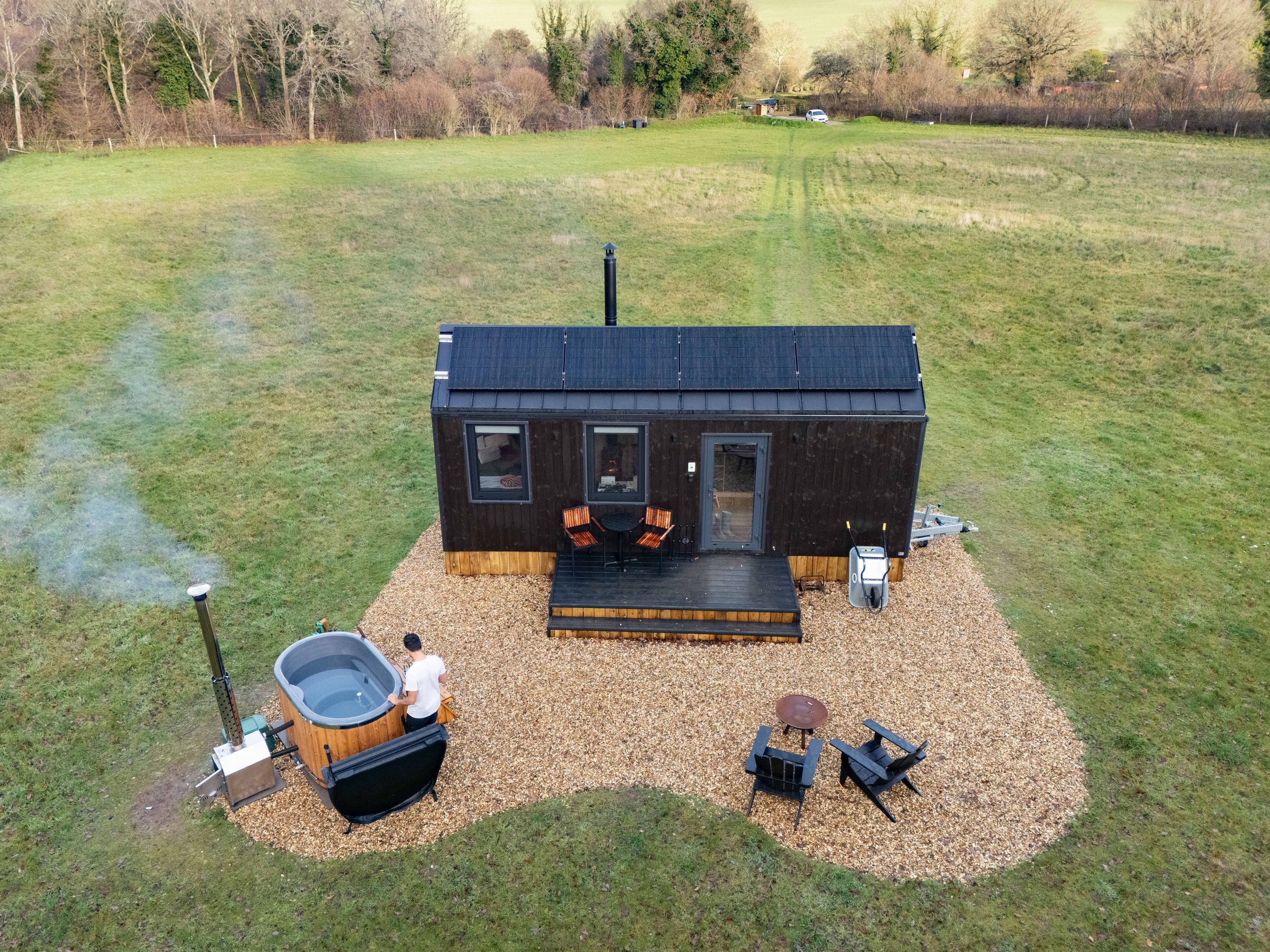
Minty
Stepping away from the outside world and reconnecting with nature was exactly what we needed. Slowing down, being present, and spending uninterrupted time together allowed us to properly enjoy the landscape around us, without the usual background noise of notifications and endless scrolling.
Unplugged warned us that locking our phones away can feel anxiety-inducing at first. But to be honest, both Alice and I found it surprisingly easy. Aside from a couple of slip-ups we will mention later, we never felt the urge to reach for our phones.
We would genuinely recommend a stay in an unplugged cabin. Not just for the digital detox aspect, but because they are thoughtfully designed, beautifully located, and exceptionally well managed, with plenty to do even without a screen in sight.
Disclaimer - Our stay was provided to us free of charge in exchange for this post. Unplugged has no say in what we write, and they will only read this once it is published, just like you.
If you decide to book a stay for yourself, use code UAHUNGRYSOLES for £35 off your booking. If you do, we will also earn a small commission (it’s how we keep this site funded). Thanks.
What is an Unplugged Cabin?
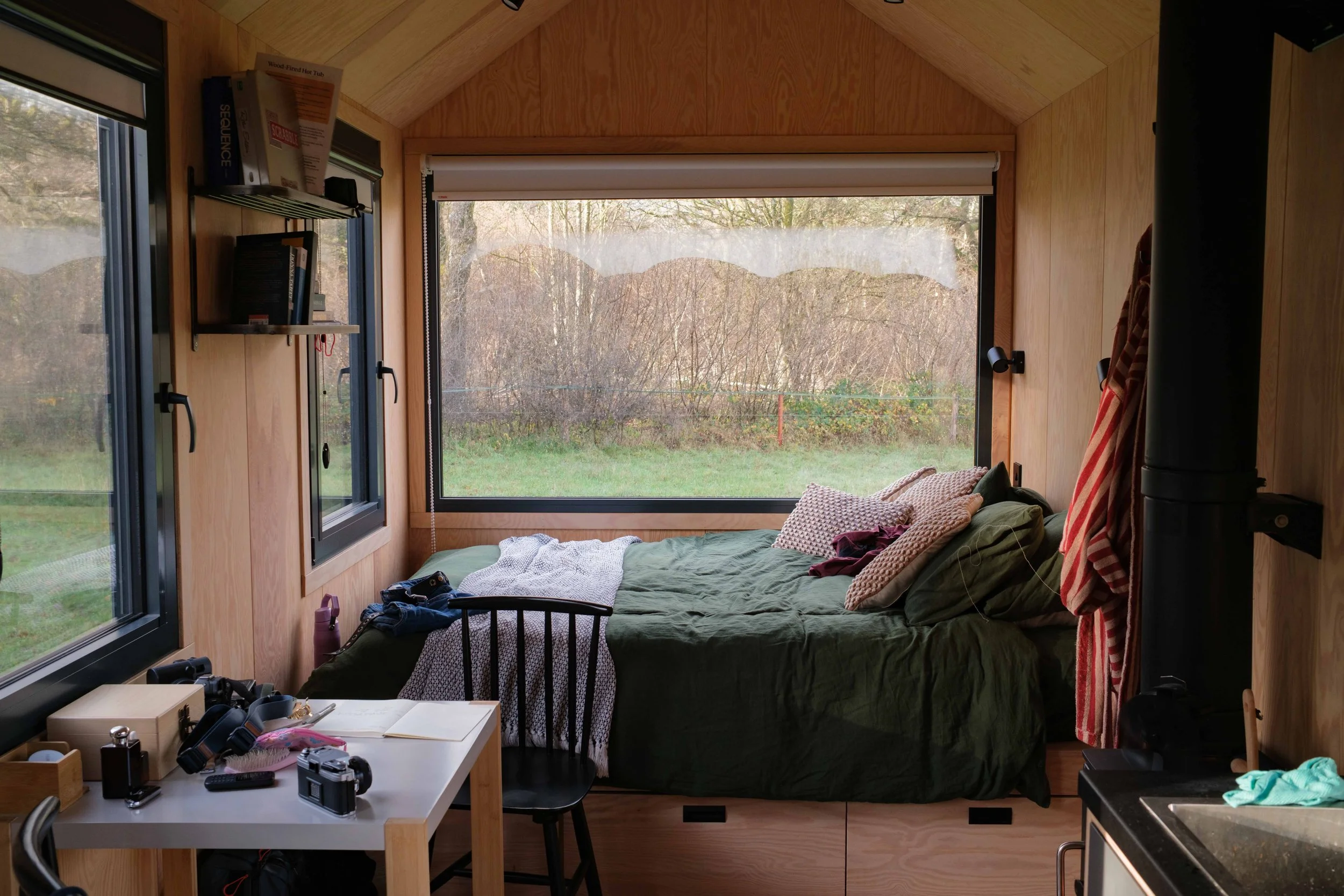
Unplugged run off grid cabins designed to help you properly switch off and go screen-free for a minimum stay of three nights. The cabins are powered almost entirely by solar energy and are intentionally simple, calm spaces that remove the usual digital distractions of everyday life.
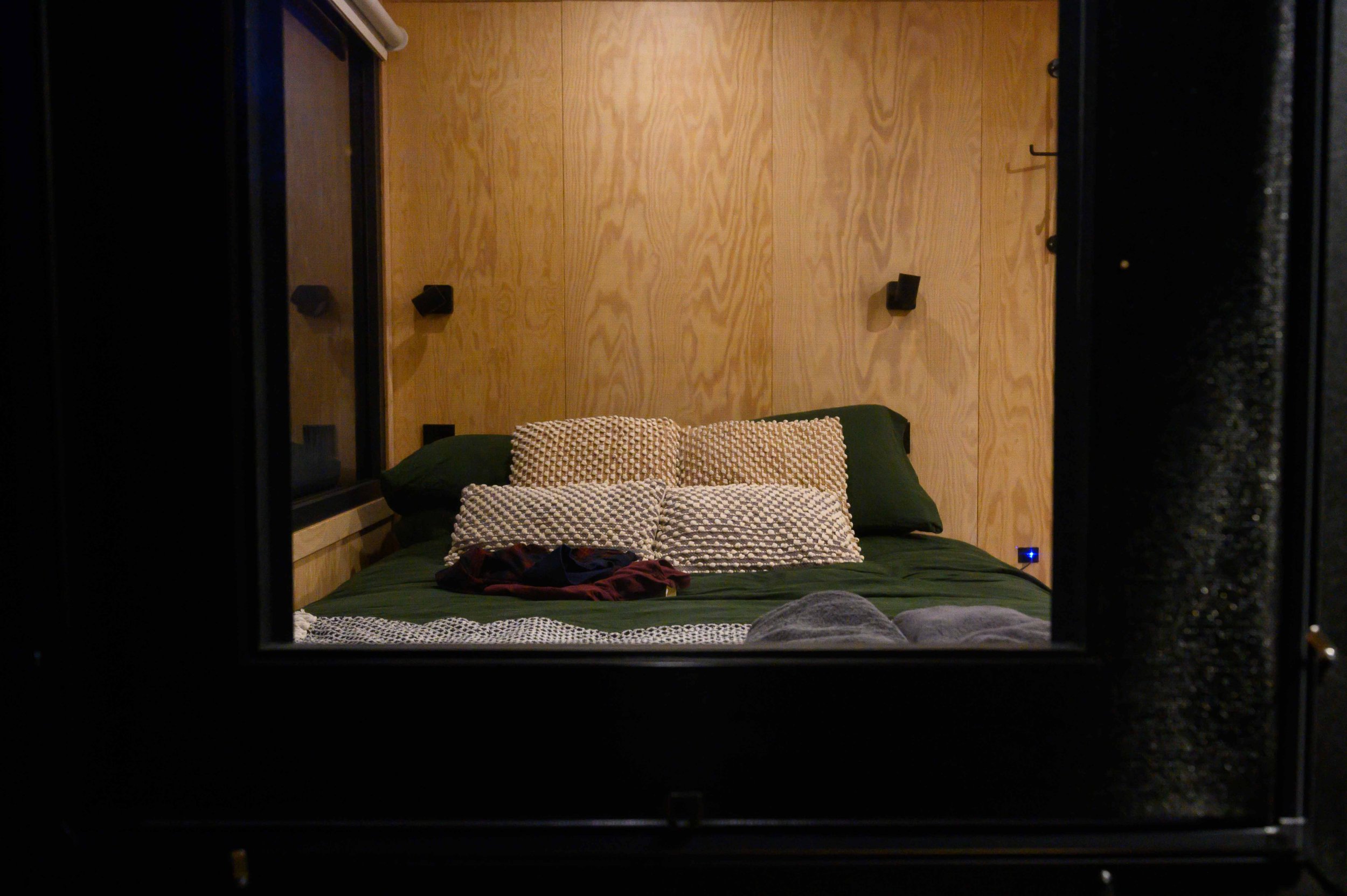
Each cabin is set in a carefully chosen location, embedded in nature and surrounded by open landscapes. They are well-designed, clean, comfortable, and although they are rustic in their philosophy, they do feel modern and well-kept.
When you arrive, your phone is placed in a lockbox, which immediately creates a clear boundary between you and the digital world. It sounds daunting, but it quickly becomes part of the experience rather than a restriction.
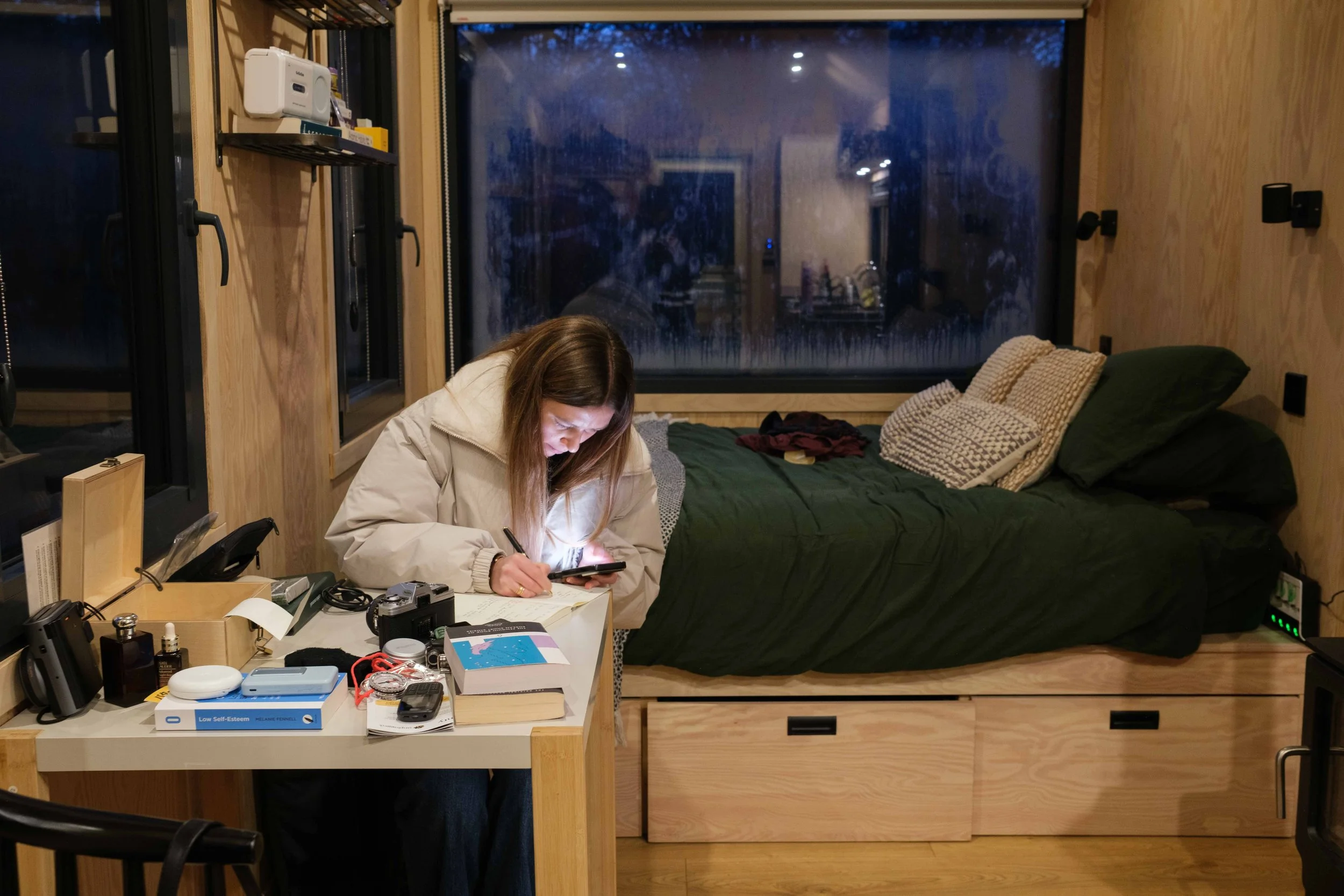
Jotting down some last minute notes
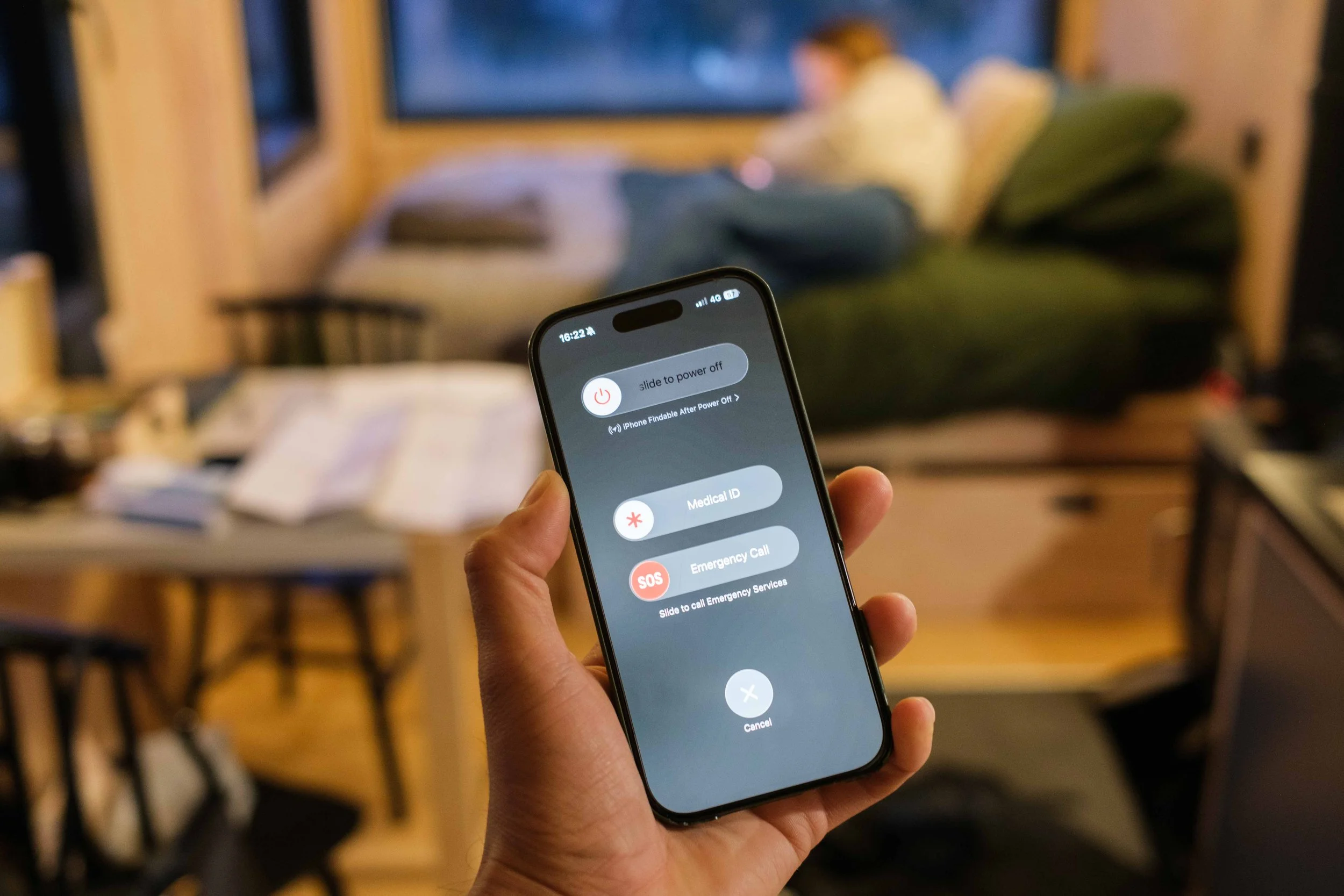
This felt gooood…
Everything inside the cabin is thoughtfully planned so you can live comfortably without a device. There is no sense of roughing it, just a slower, more intentional way of spending your time.
Inside the cabin, you will find:
An old Nokia phone for emergencies and for contacting Unplugged support via text if needed
An instant camera so you can capture a few moments without reaching for a phone
A physical map with local recommendations and a compass for exploring
A log-fired heater inside and an outdoor fire pit for evenings under the stars
A large panoramic window that frames the surrounding nature
Blackout blinds for restful sleep
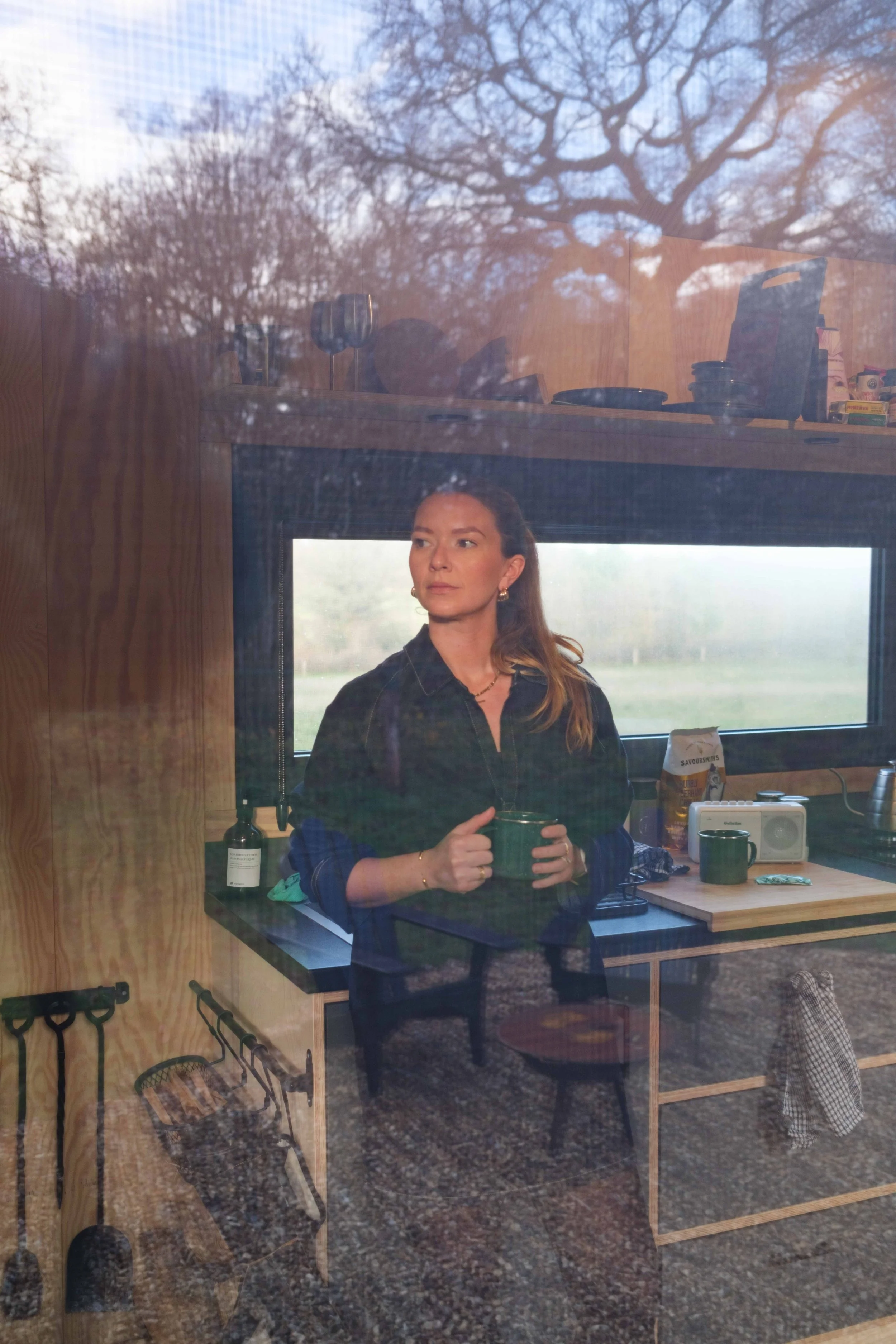
A well-equipped kitchen with essentials including fresh coffee beans, tea, and basic cooking supplies
A cassette player and radio, complete with a small collection of tapes
A selection of books and board games
Hot showers and good quality toiletries with a thick dressing gown
Wellies and a wheelbarrow to get you from the Driveway to the cabin without getting everything too muddy
The overall feeling is not one of deprivation but of replacing constant stimulation with simpler pleasures. Cooking, reading, walking, lighting a fire, and sitting quietly watching the landscape change throughout the day.
If you want to explore their cabins in more detail, you can read more on their website here: wwwunplugged.rest
You book a stay at Minty specifically here, don’t forget to use our discount code “UAHUNGRYSOLES” for £35 off any cabin stay.

About Minty - Our Cabin
We stayed in Minty, one of Unplugged’s cabins tucked away in the corner of a family-run peppermint farm, Summerdown Peppermint Farm, just outside Oakley in Hampshire (more about them later).
The setting felt genuinely remarkable. You are surrounded by open farmland and rolling countryside, with a real sense of quiet that hits you as soon as you arrive. It felt remote enough to switch off fully, but never isolated or impractical.
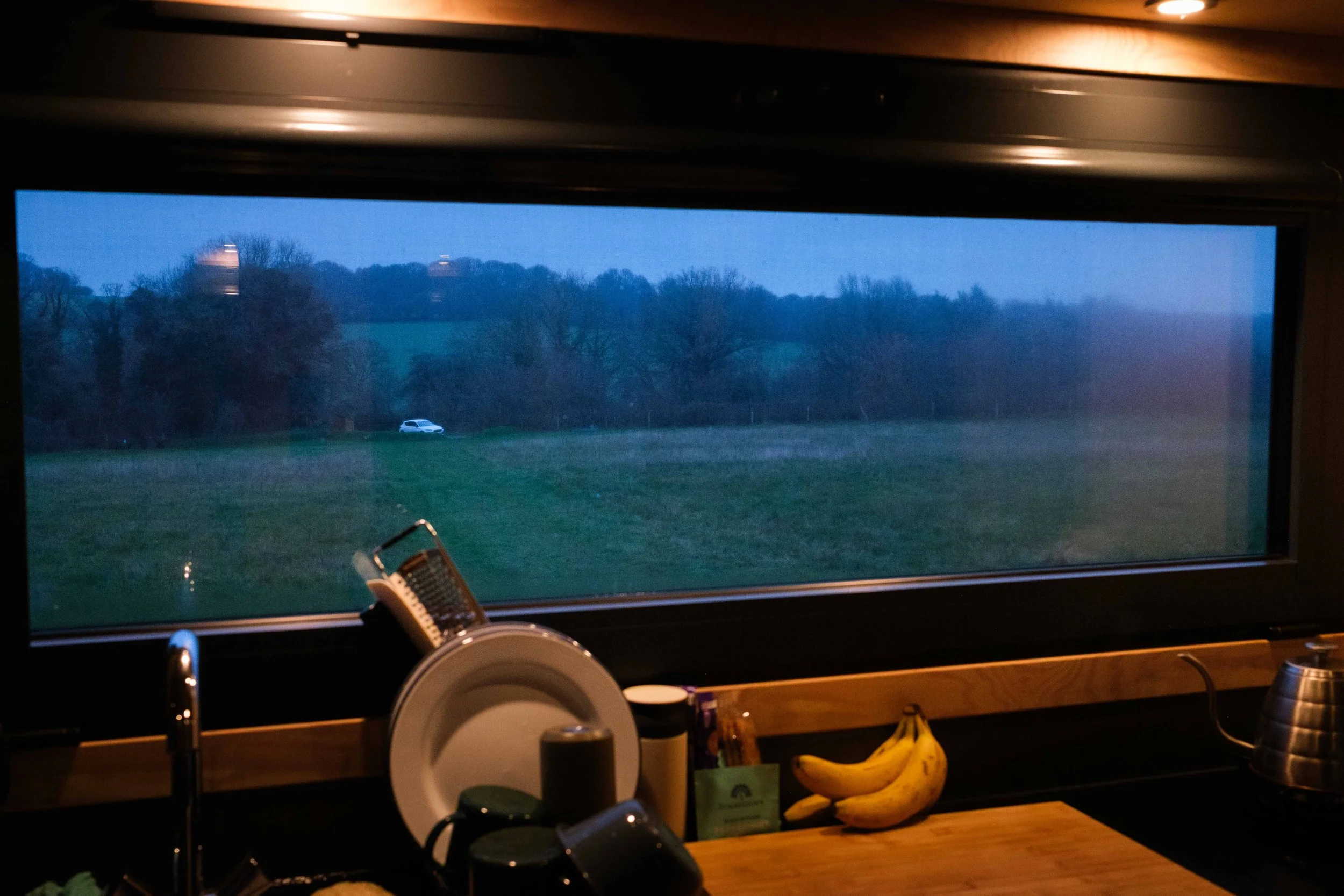
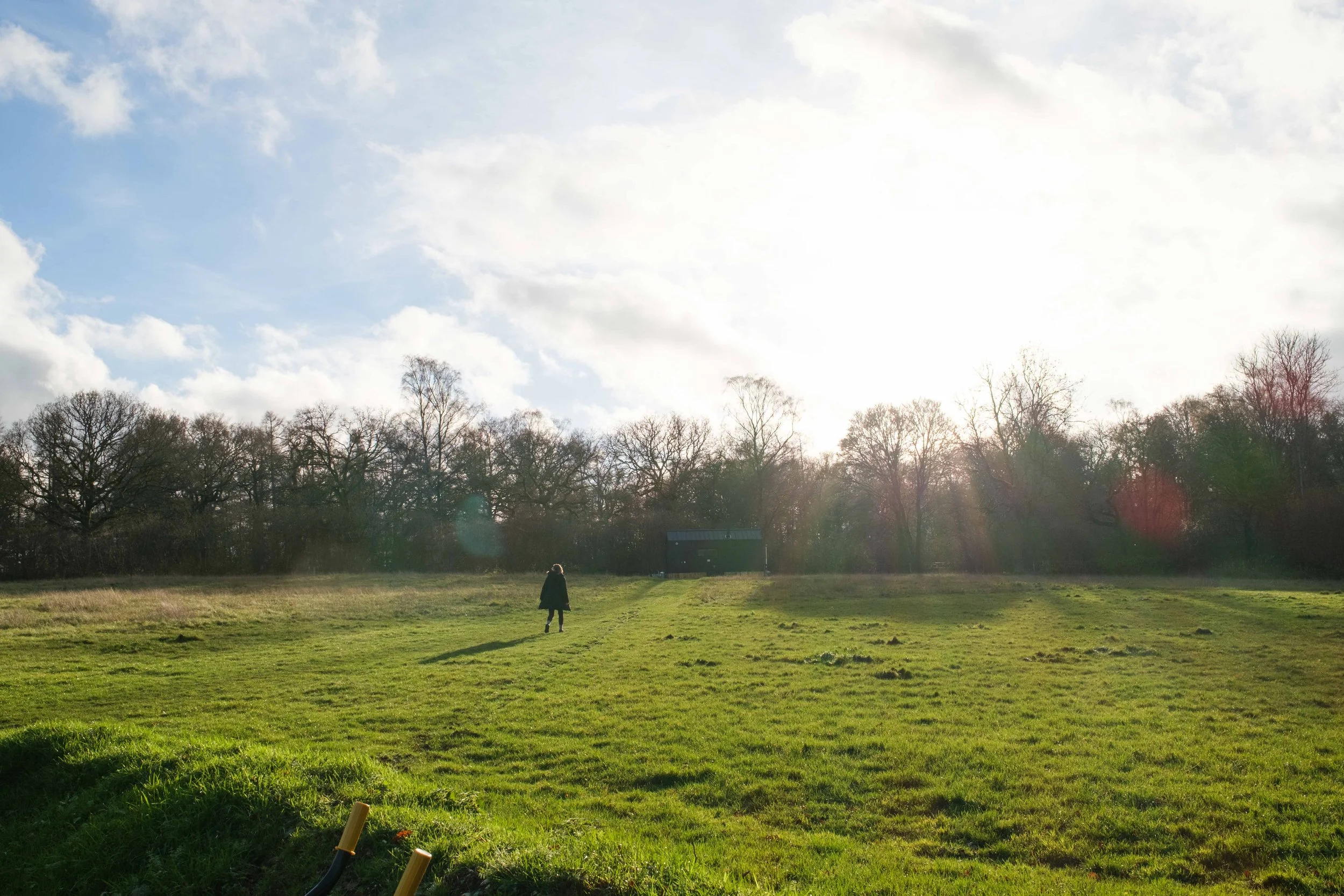
Minty is designed for two guests and is also dog-friendly, which makes it ideal for couples looking for a peaceful break without leaving the dog behind. It is surprisingly easy to get to as well.
By car, it is under 90 minutes from London.
By train, it’s a 45-minute train to Basingstoke, followed by a short 15-minute taxi ride.
There are several small towns and villages nearby if you want to explore locally, which we did for lunch and dinner.
Pricing for Unplugged Minto varies depending on the time of year, but as a rough guide for a three night stay (which is the minimum):
Around £480 during the winter months
Around £550 for summer weekdays
Around £770 for summer weekends
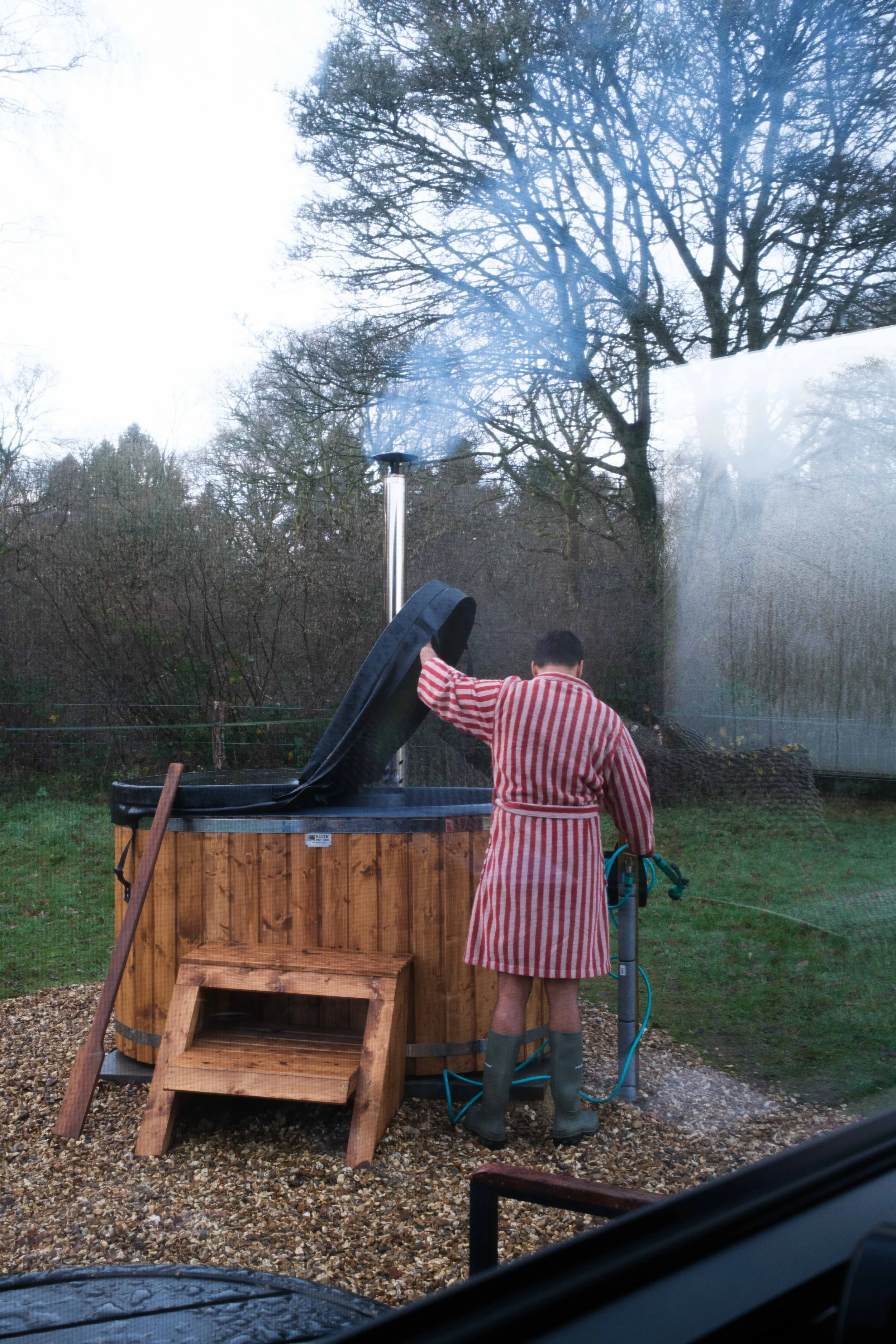
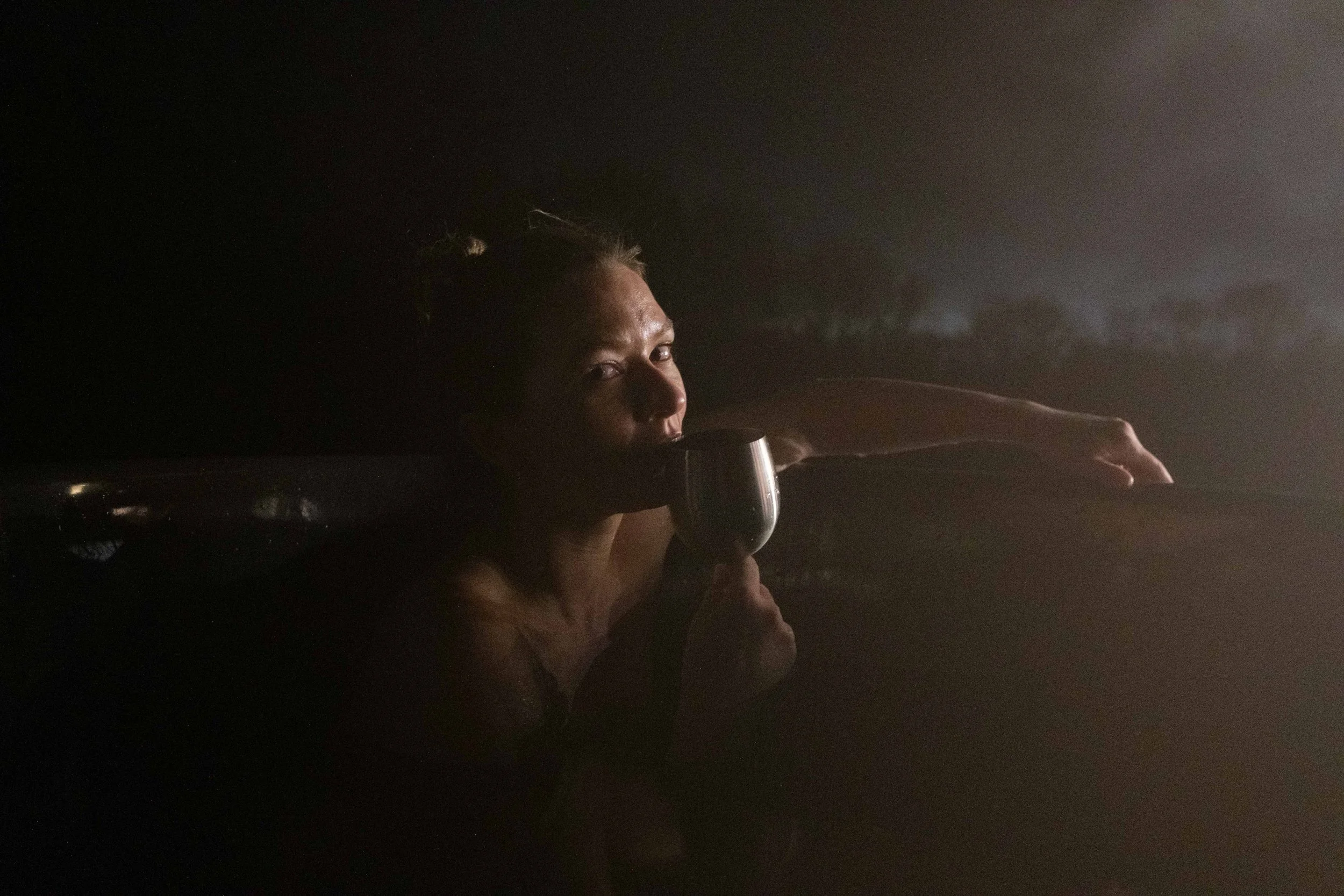
One of the standout features of Minty is the hot tub. Sitting in warm water, surrounded by countryside, with absolutely no phone in sight, felt like the ultimate version of switching off. It quickly became part of our daily routine and one of the highlights of the stay.
Our Overall Thoughts
We absolutely loved our stay and would do it again without hesitation. It felt restorative in a way that very few short breaks manage to achieve, and it is the kind of experience that stays with you long after you return home.
Unplugged does an excellent job in the run-up to your stay. Before arriving, they send thoughtful resources about digital detoxing, detailed information about your cabin, and suggestions for things to do in the surrounding area. One of their support team also gets in touch personally to learn more about you and your trip, offering tailored advice that makes the experience feel genuinely considered rather than generic.
Even putting the digital detox element to one side, it is simply a lovely place to spend a few days. The cabin is comfortable, spotlessly clean, and extremely well-maintained. Everything works exactly as it should, and it is clear that a lot of thought has gone into the details. From cosy robes to wellies to avoid muddy walks, nothing felt overlooked.
The kitchen is well-equipped and well-stocked with the basics, making it easy to cook proper meals rather than just getting by. The blinds are genuinely blackout, although there is hardly any light pollution to begin with, which meant some of the best sleep we have had in a long time.
We stayed in winter, and while it was cold, it did not stop us from spending time outdoors. The hot tub heats up a lot and felt incredible after a chilly walk, especially in the evenings when everything around you is quiet and still.
We did a full digital detox, with the only exception being our camera gear, so we could take photos. For us, photography helps us connect more deeply with our surroundings and be more present, rather than pulling us away from the moment.
The entire experience felt exactly like what we needed at that point in the year, and we would wholeheartedly recommend it to anyone feeling overstimulated or in need of a proper reset.
How We Spent Our Time Without Phones
When we arrived, we unpacked, settled in, and took a few minutes to get organised. We got our notebook out and jotted down any last bits of information we might need during the stay. We then texted our families with the emergency Nokia number, just in case, and after that, we locked our phones away in the box.
From that point on, the pace immediately shifted. With no screens to distract us, we could fully lean into the experience and focus on the simple things we had planned for the next few days.
Okay, so we did have some screens…
It would be unrealistic not to address this. We went screen-free, but we still needed to create this blog post, so we kept our digital cameras and drone with us. I did consider using my old Minolta film camera, but I was not confident enough to rely on film alone and risk coming home with nothing to share.
We did not edit, sort, or review any photos during the stay. The cameras were purely for capturing moments, with all processing left until we were back home. Any notes were written by hand in our notebook, and we kept an audio journal on a recorder to capture thoughts and reflections.
Remember to use code UAHUNGRYSOLES for a £35 discount on your Unplugged stay if you decide to book one.
Cooking in the cabin
Cooking became one of the real joys of the stay. We stocked up on some supplies from home (dried goods) before arriving and also made a trip to a local butcher (for meat and fresh produce) using the map provided, so we could properly settle into cooking slow, comforting meals in the cabin.
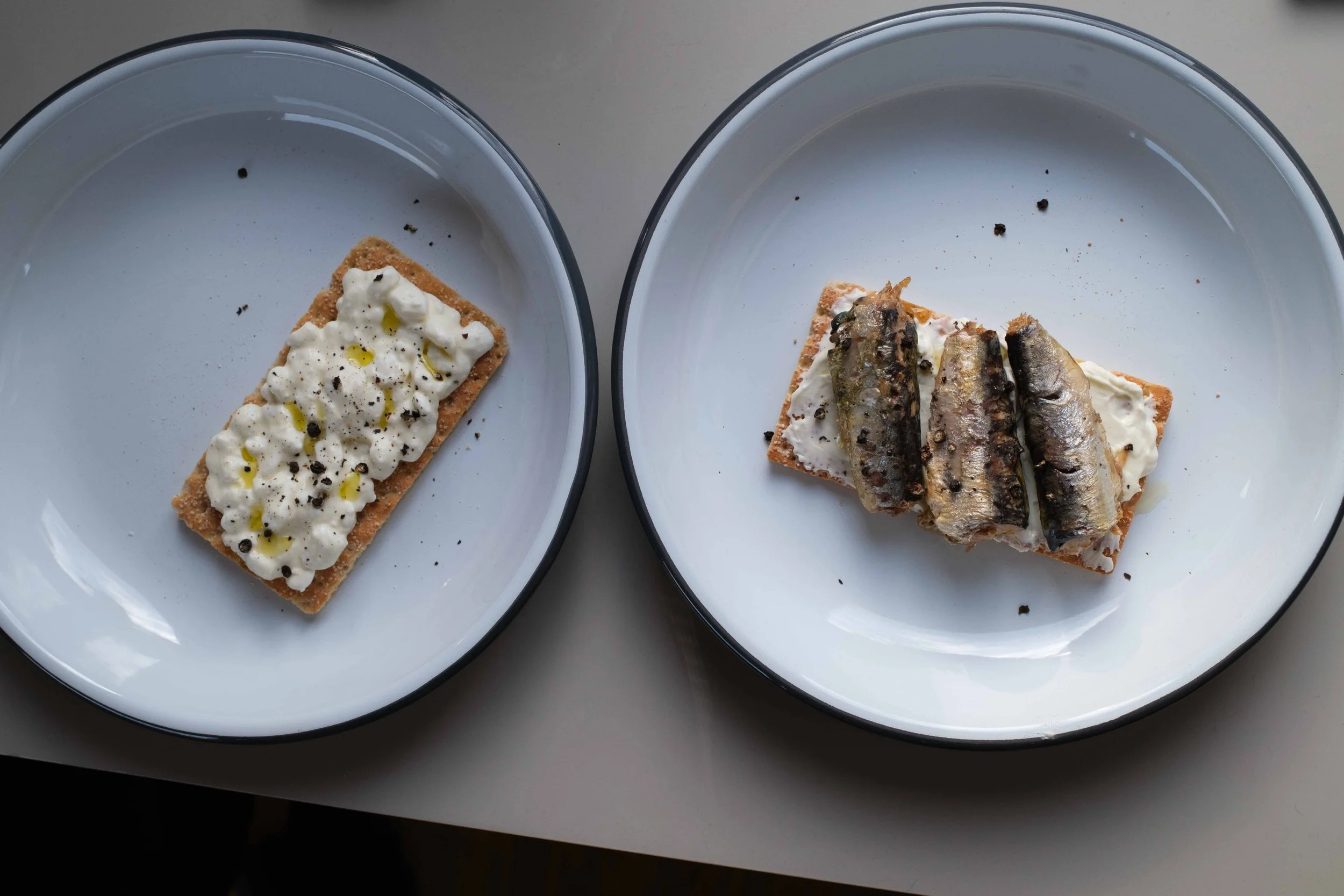
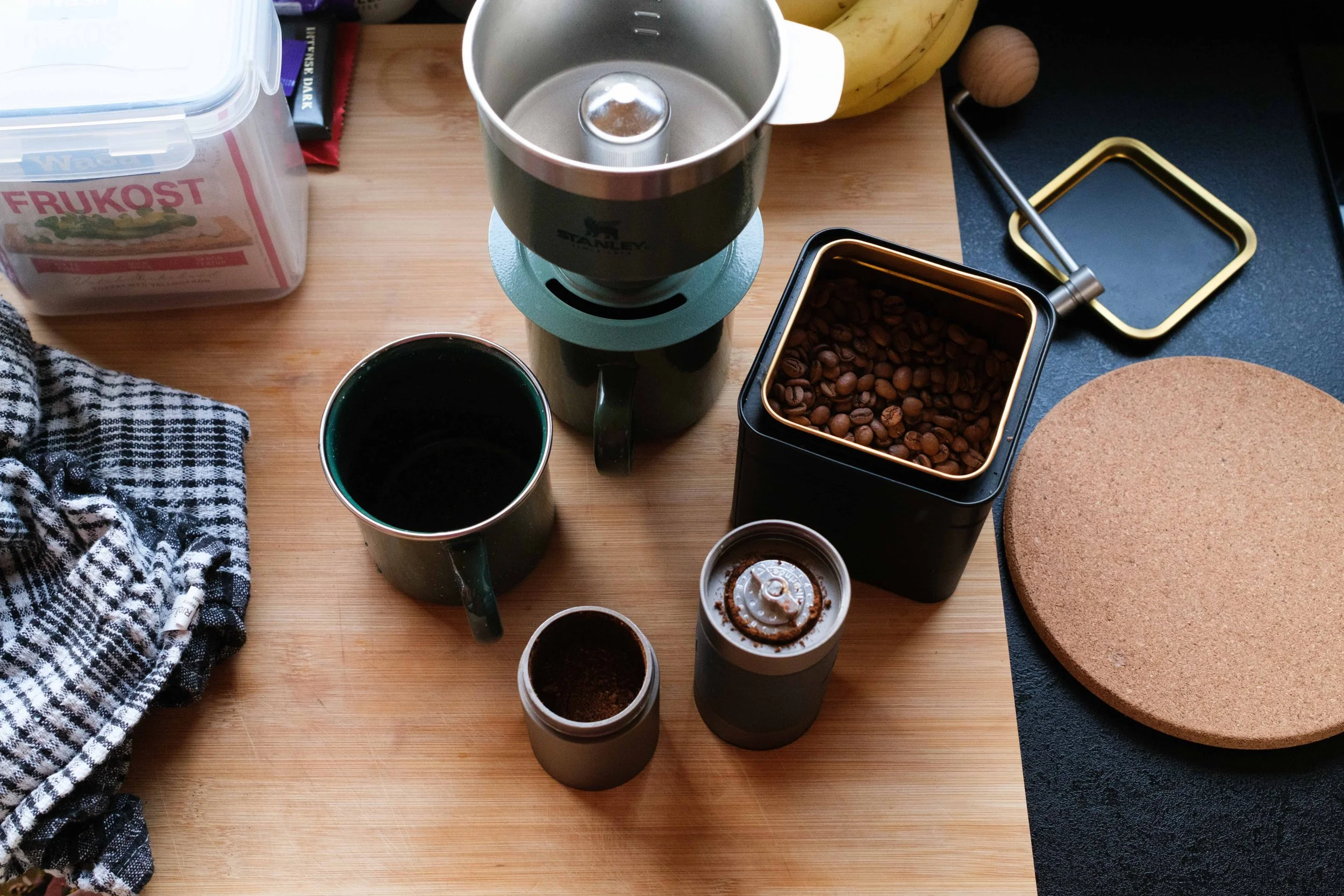
Without distractions, meals felt more intentional and unrushed. We kept things simple but satisfying, making the most of good ingredients and the calm pace of cabin life.
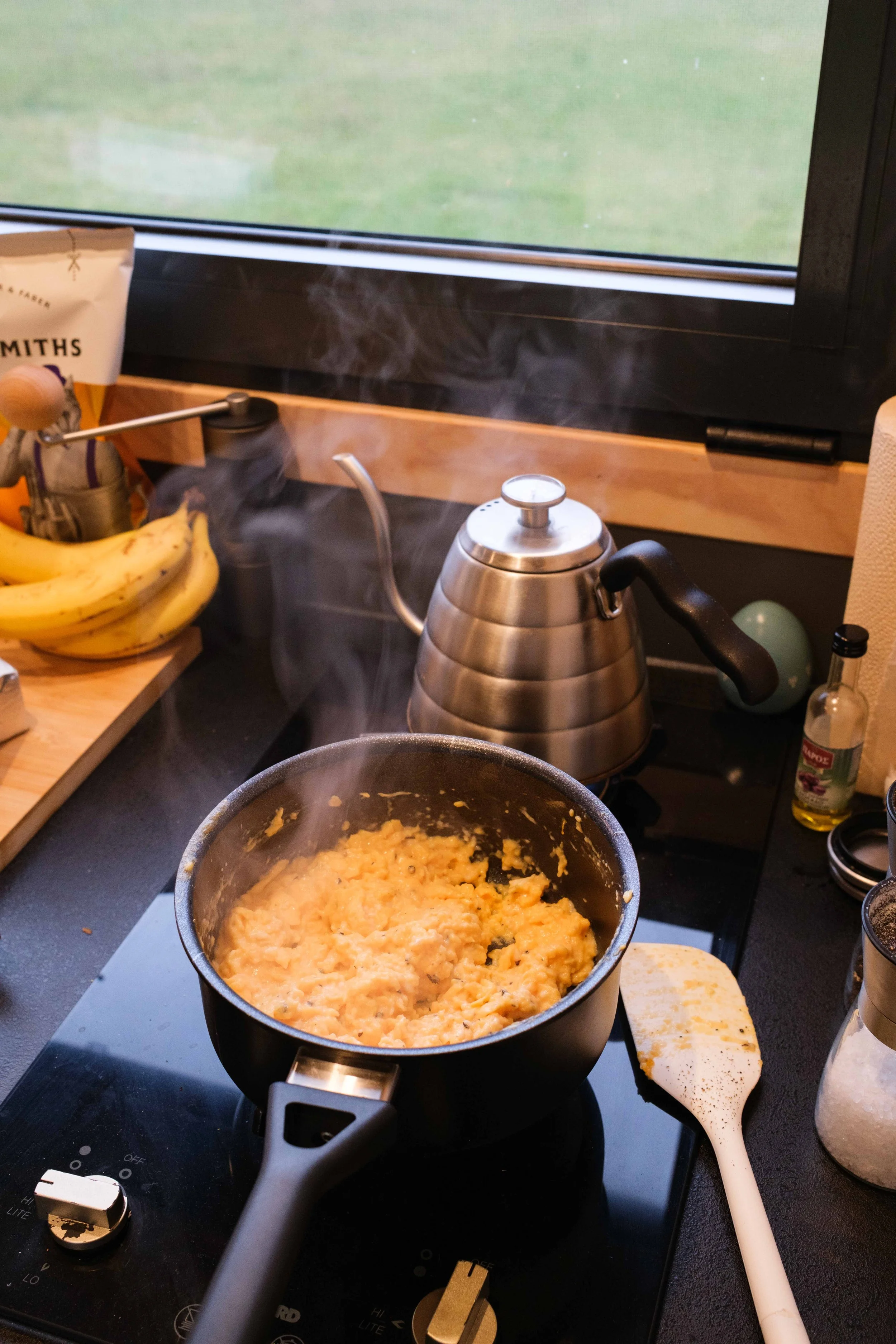
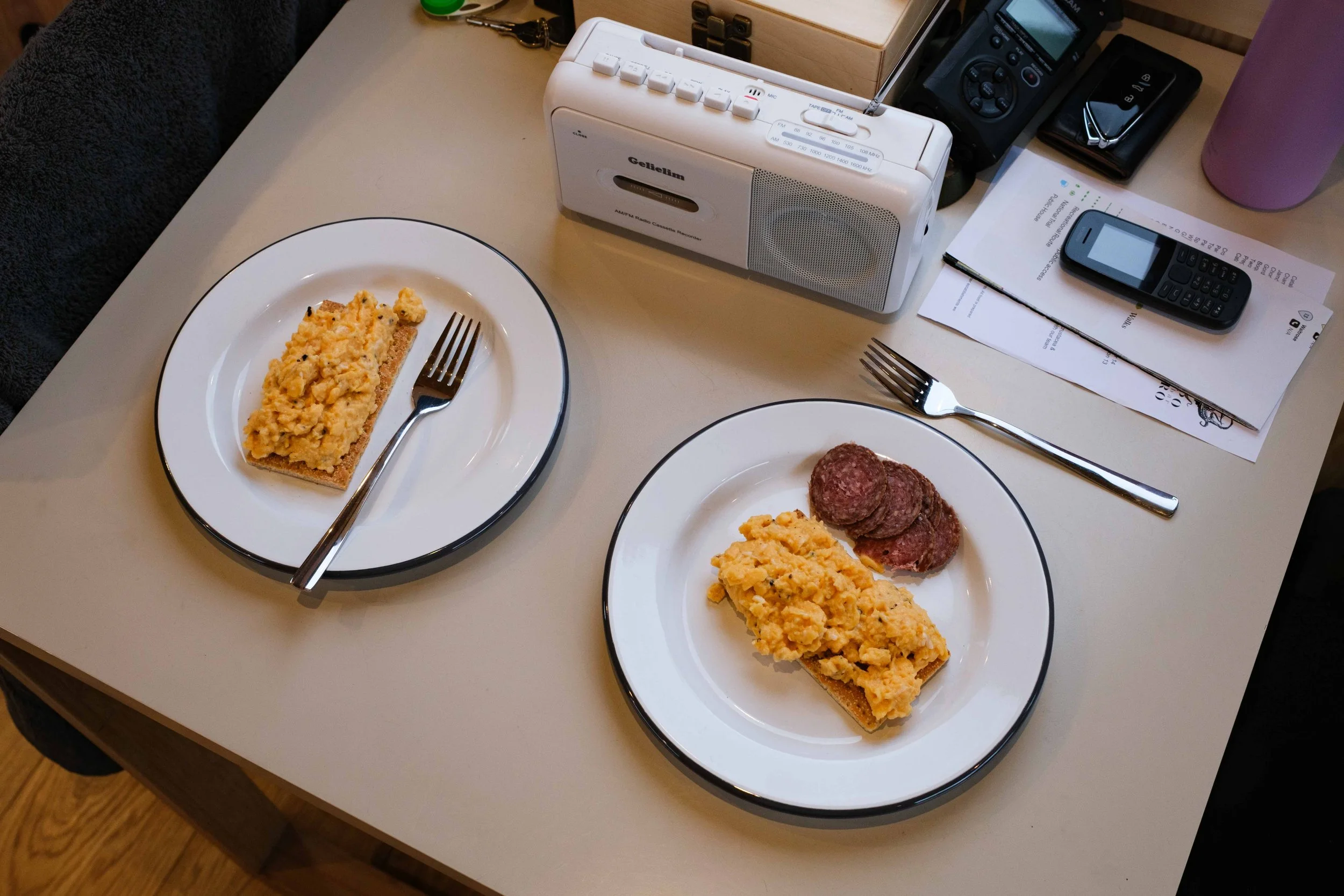
Some of the things we cooked included:
Tinned sardines and cottage cheese on crispbread, which we had brought back from our Norway trip
Scrambled eggs with reindeer salami, also brought home from Norway
Lamb chops with mashed potato and a pepper sauce, using meat sourced from a local butcher
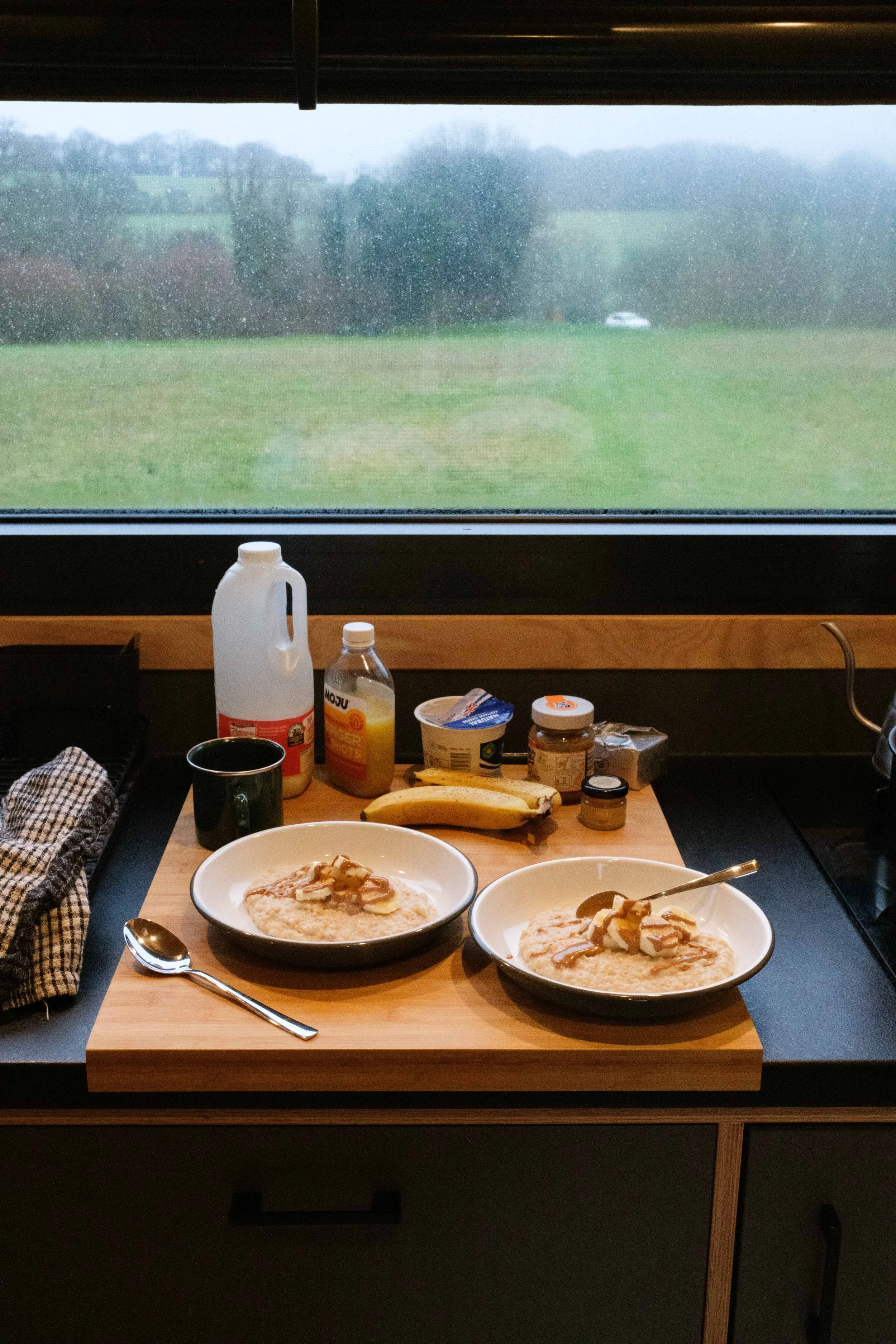
Porridge for breakfast, with ingredients brought from home
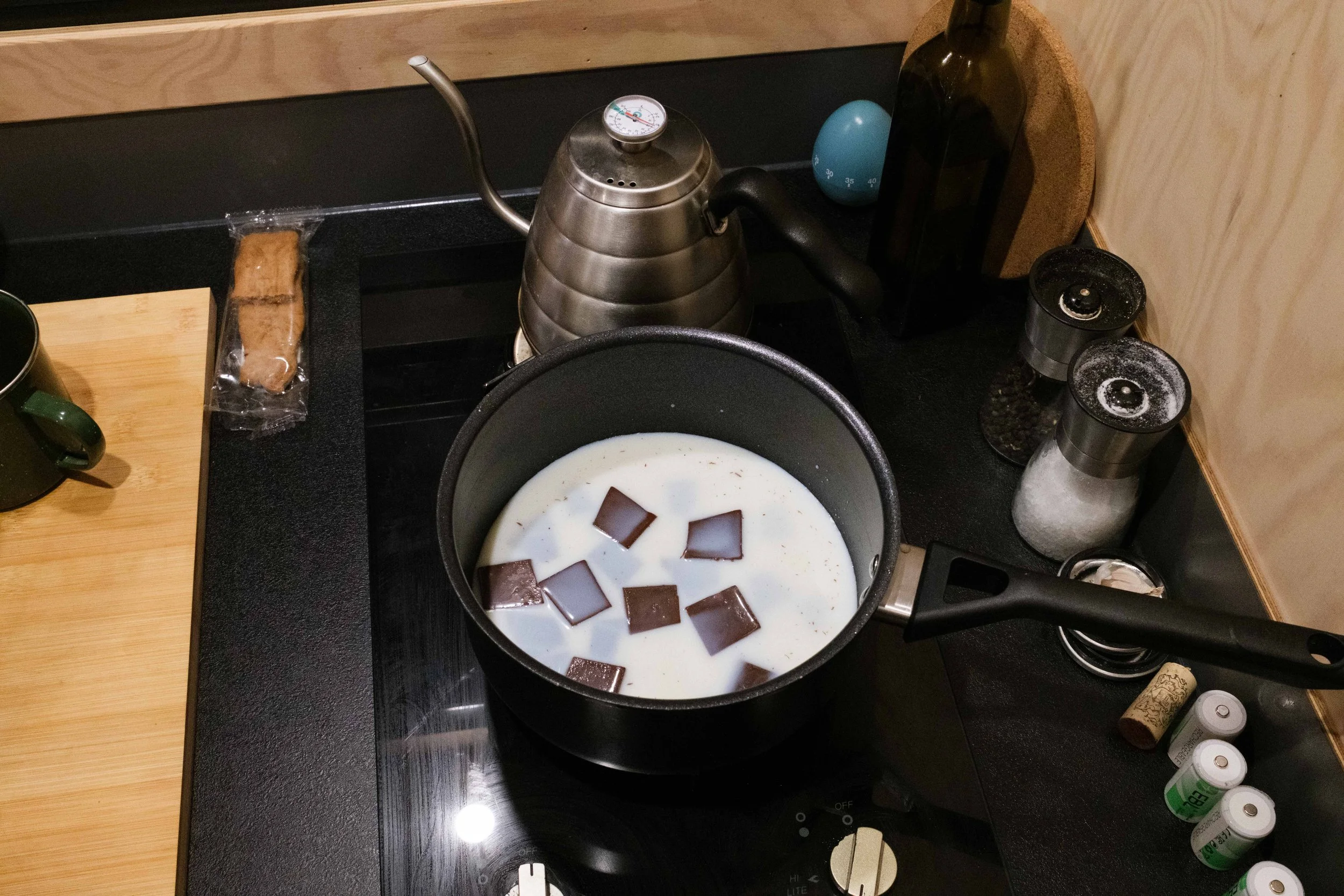
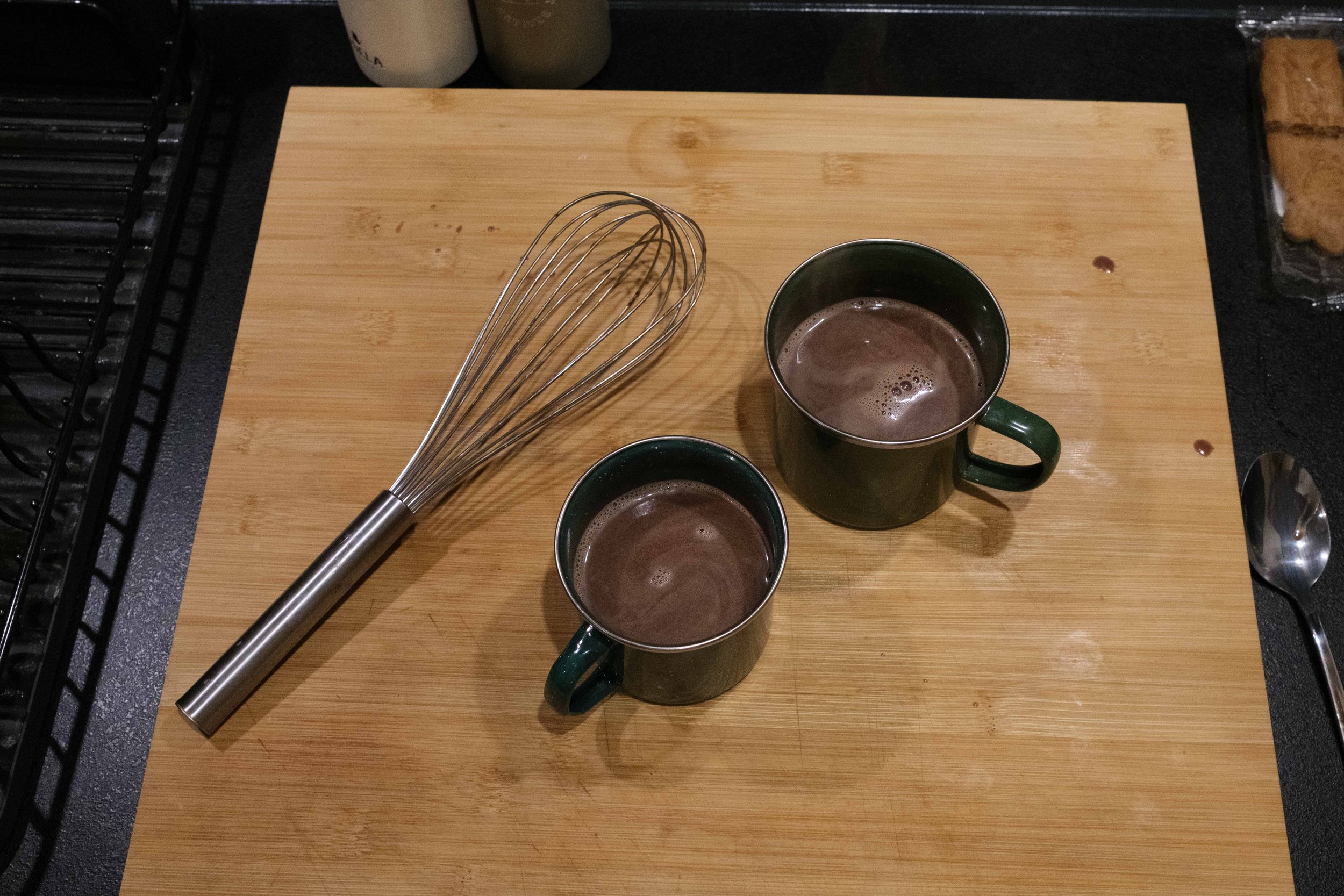
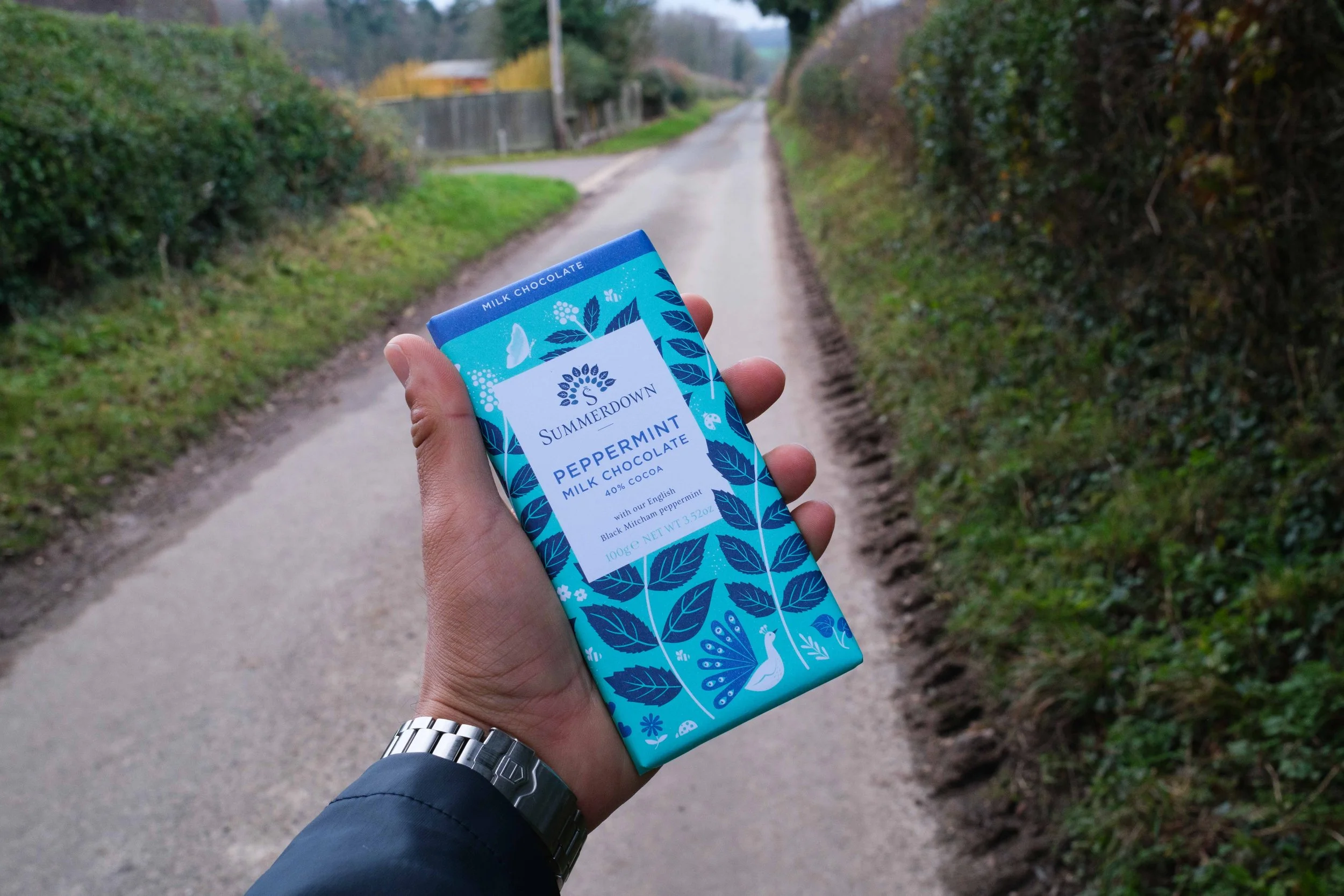
Homemade hot chocolate using mint chocolate from the peppermint farm we were staying on
Fresh coffee and tea every morning, ground by hand using the manual grinder and brewed with a pour-over
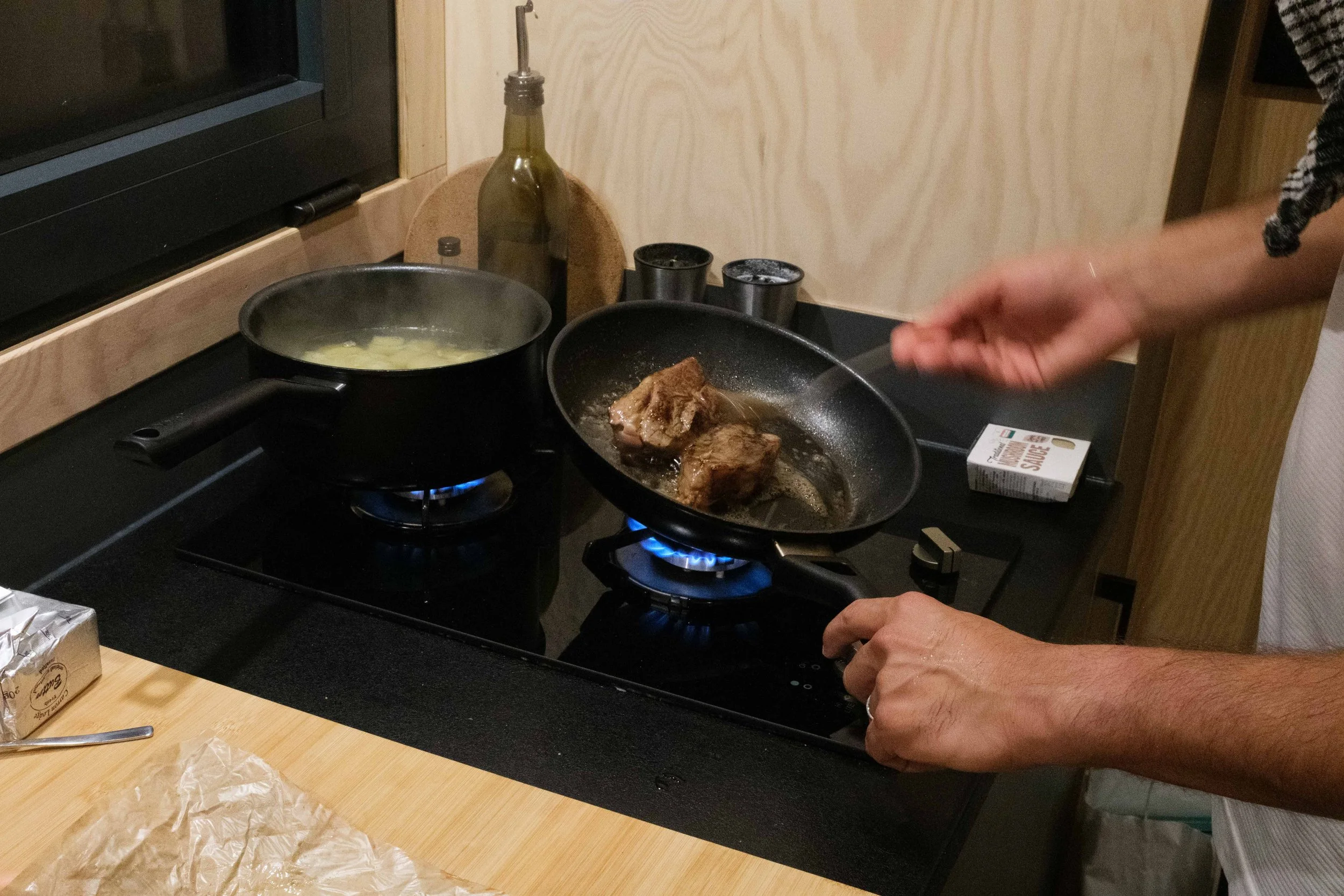
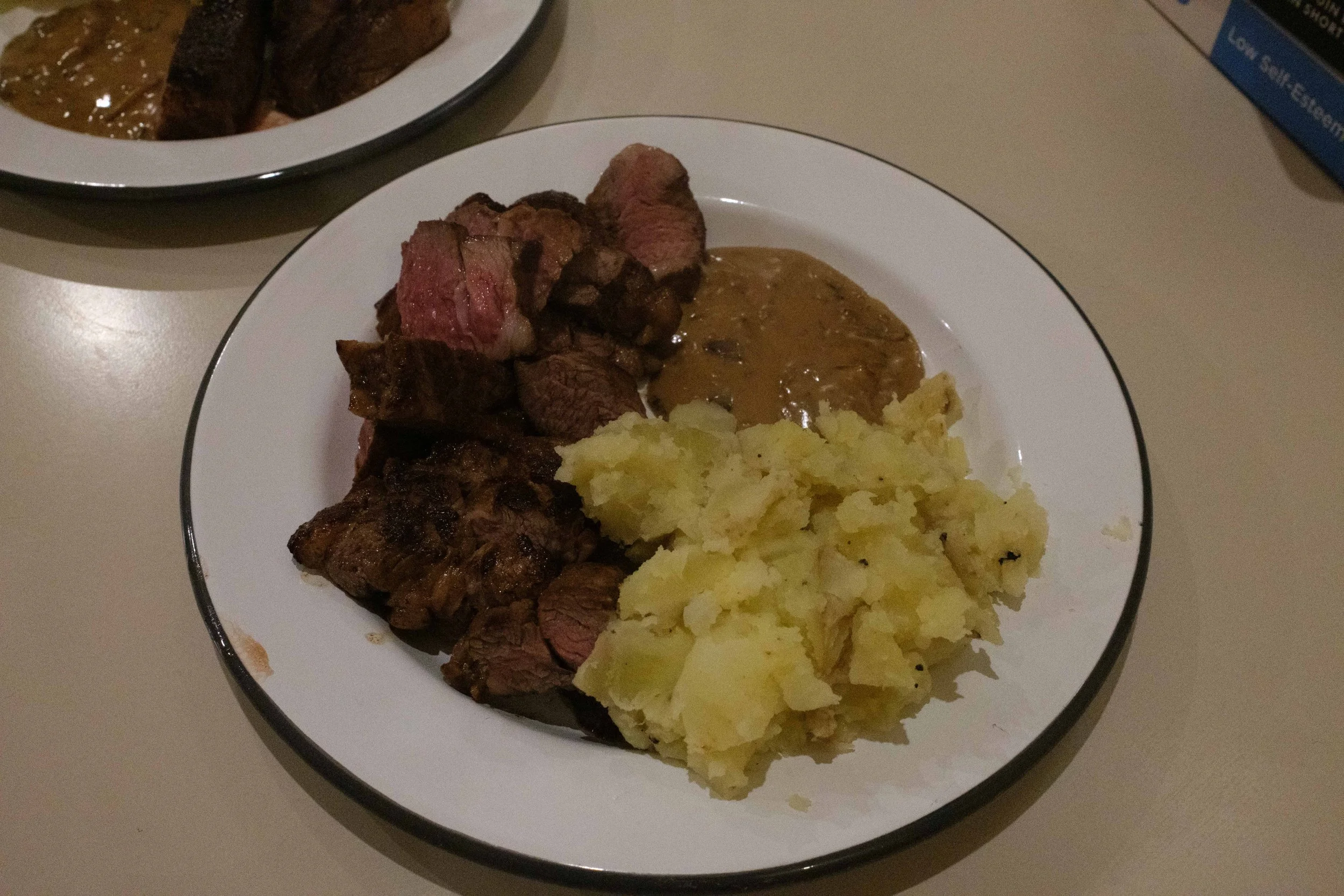
There was something deeply satisfying about cooking without background noise, notifications, or time pressure. Just chopping, stirring, and eating well, surrounded by quiet and the countryside.
Reading
We spent a surprising amount of time reading, something that feels increasingly rare in day-to-day life. With no screens to pull our attention away, it was easy to settle into long, uninterrupted stretches with a book.
I was reading The Secret History, which felt perfectly suited to slow winter afternoons in the cabin. Alice spent her time reading Digital Minimalism, which Unplugged had thoughtfully supplied. It felt particularly fitting to be learning more about digital detoxing while actively living it.
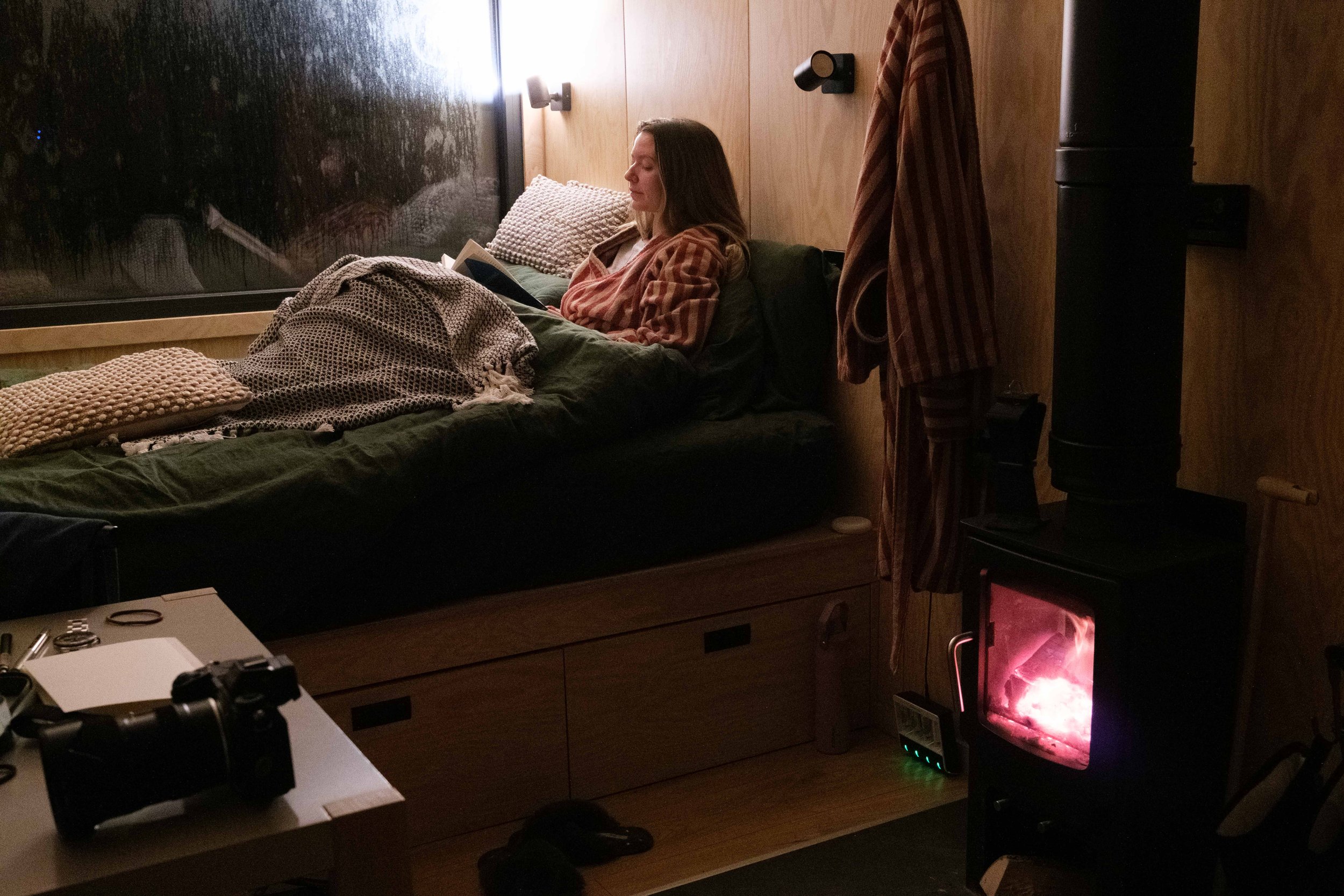
Reading without constantly checking the time or feeling the pull of notifications made the experience far more immersive. Hours passed quietly, often with nothing more than a log fire, a hot drink, and the changing light outside the window.
Playing With Fire
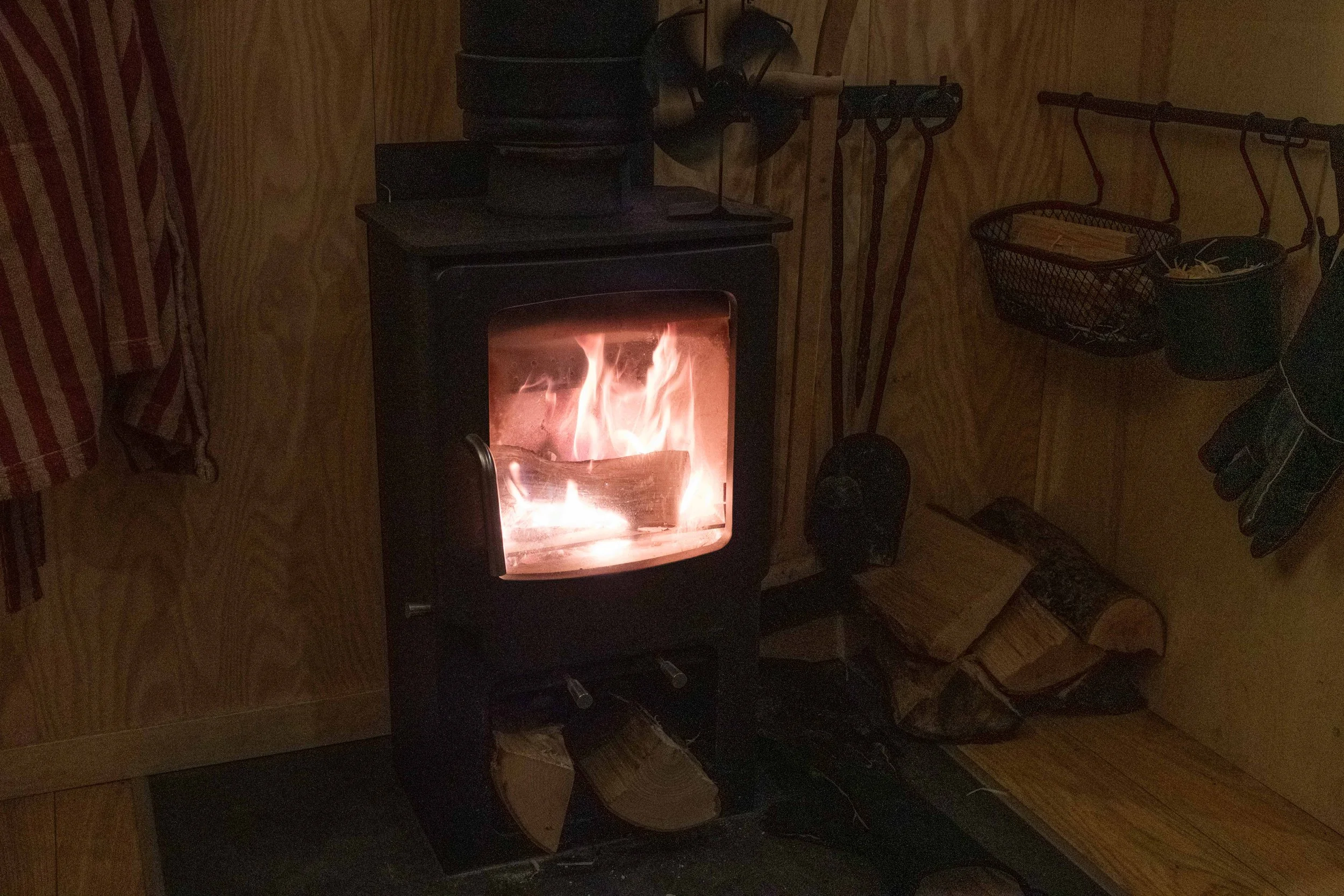
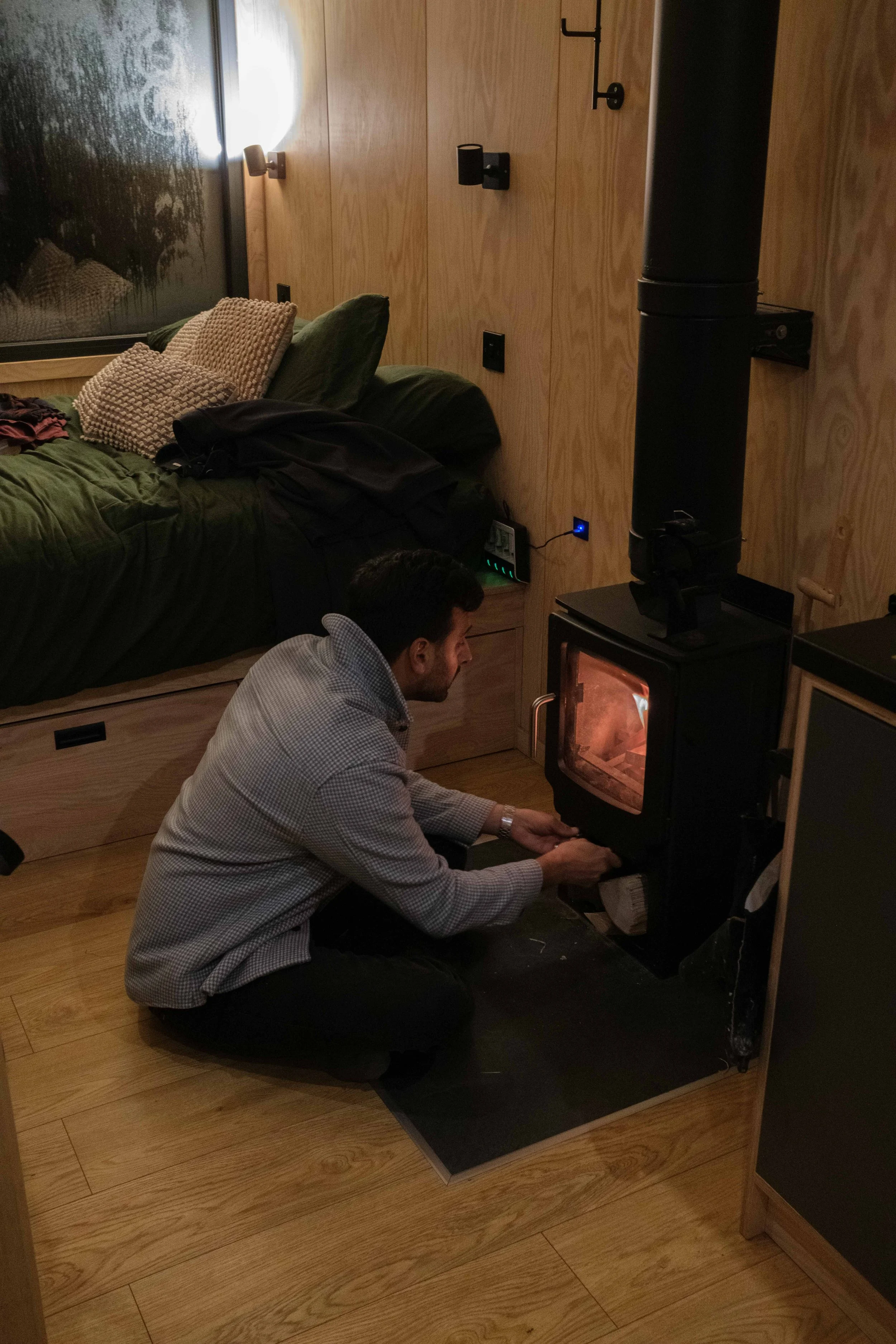
We spent a lot of time lighting and maintaining the fire, which quickly became part of the daily rhythm of the stay. In the winter weather, it was essential for warmth, but it also gave structure to the day.
The cabin heats up very quickly once the fire is going, sometimes almost too well, so it became a balance of getting it just right. Lighting the fire in the morning, topping it up in the evening, and keeping an eye on it throughout the day slowed everything down and gave us something simple and grounding to focus on.
There is something deeply calming about tending a fire. Collecting the firewood, setting it up, lighting it, building it, and maintaining it felt almost ritualistic. The process forces you to be present, attentive, and patient in a way that modern life rarely demands.
I am under no illusions about how romanticised this sounds. I was not chopping down trees or living off the land, and yes, there is something undeniably middle class about finding this kind of satisfaction in the countryside. But even so, it felt good.
Soaking in the hot tub
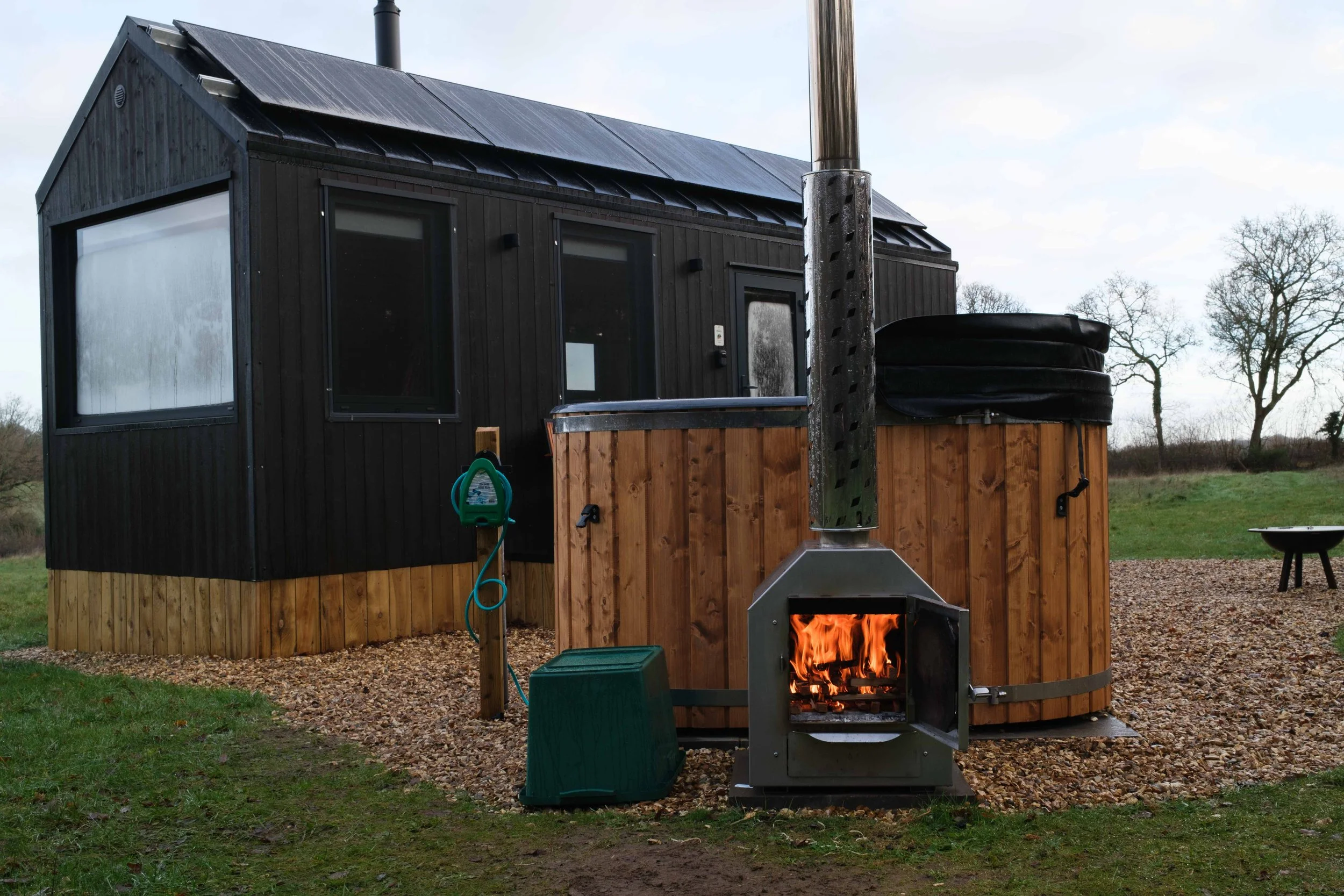
We spent a lot of time in the log-fired hot tub, and it quickly became one of the highlights of the stay. Using it is not instant or effortless, which somehow makes it even more enjoyable. It takes around an hour and a half to fill the tub with water, followed by another two to three hours to bring it up to temperature using the log-fired heater. The process itself becomes part of the experience, lighting the fire, checking the heat, and slowly building up to that first soak.
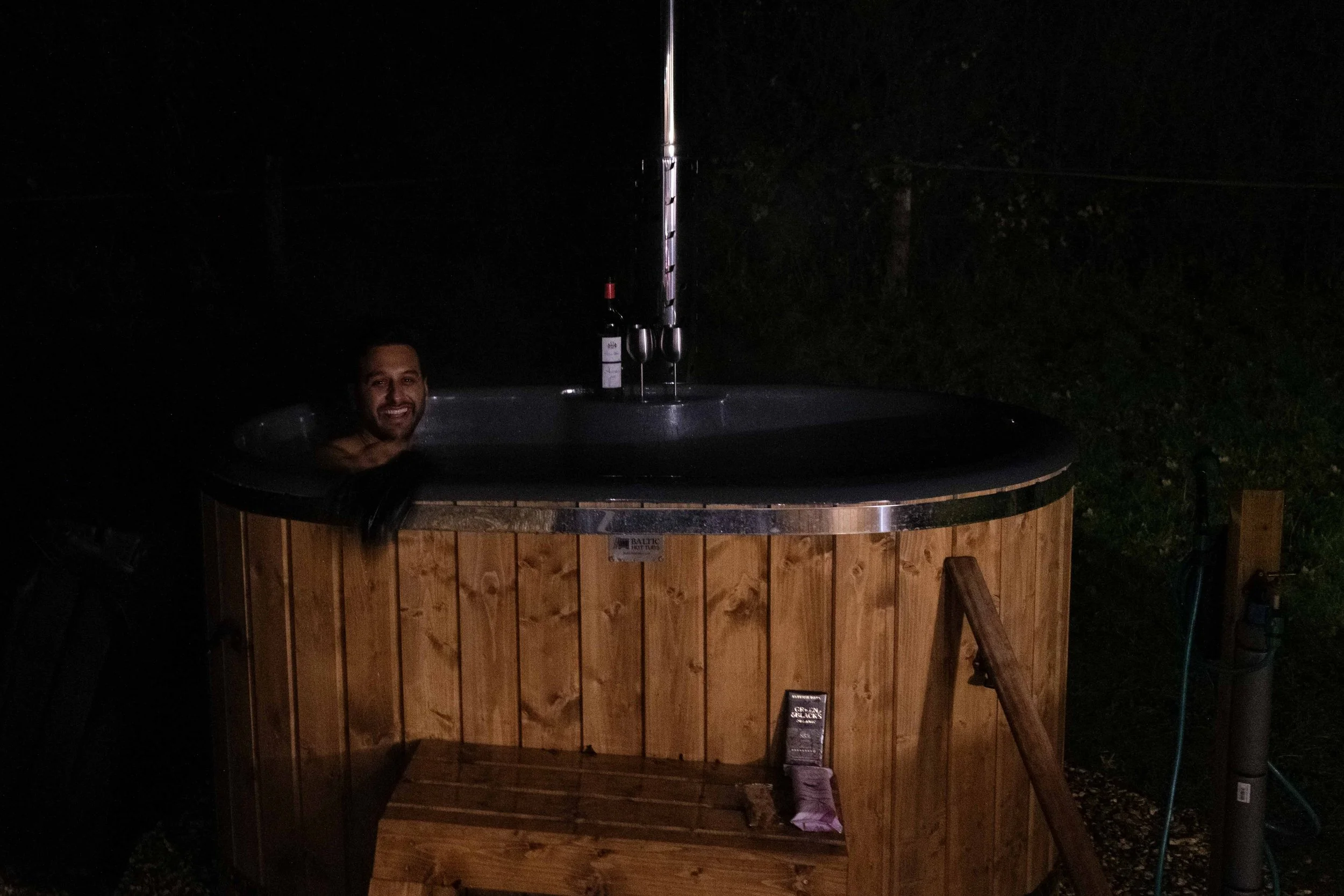
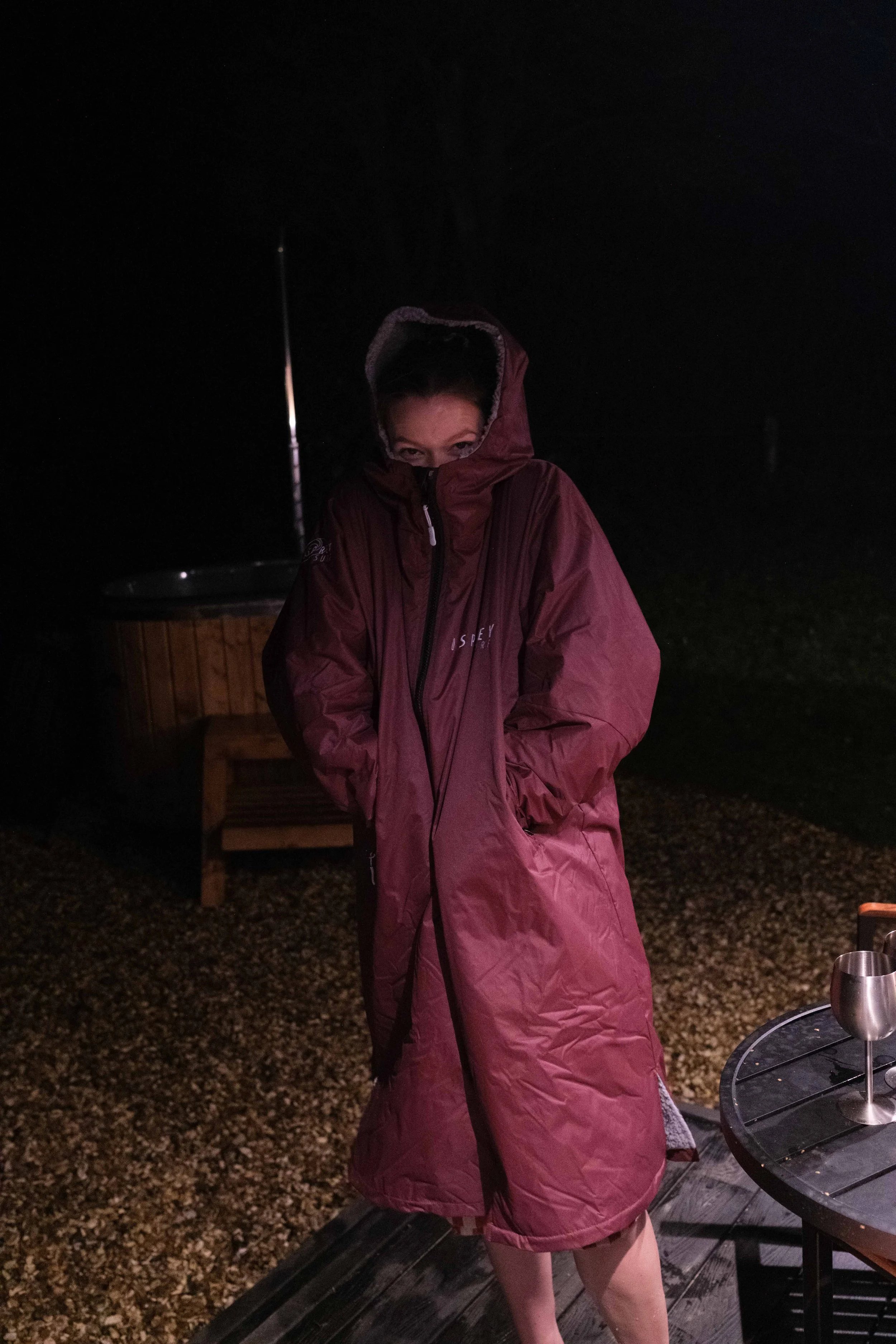
On day two, we learned an important lesson the hard way. We overheated the water and had to spend a good hour topping it up with cold water to bring the temperature back down to something usable. A good reminder to take it slow and keep an eye on things.
Enjoying time together
One of the simplest but most meaningful parts of the stay was just spending time together. With no phones, no background noise, and nowhere to rush off to, we found ourselves talking far more than usual.
We relaxed, chatted, and let conversations drift without interruption. There was no sense of multitasking or half-listening, just proper, unhurried time together. It is amazing how much mental space opens up when there is nothing competing for your attention.
Running (for one of us anyway…)
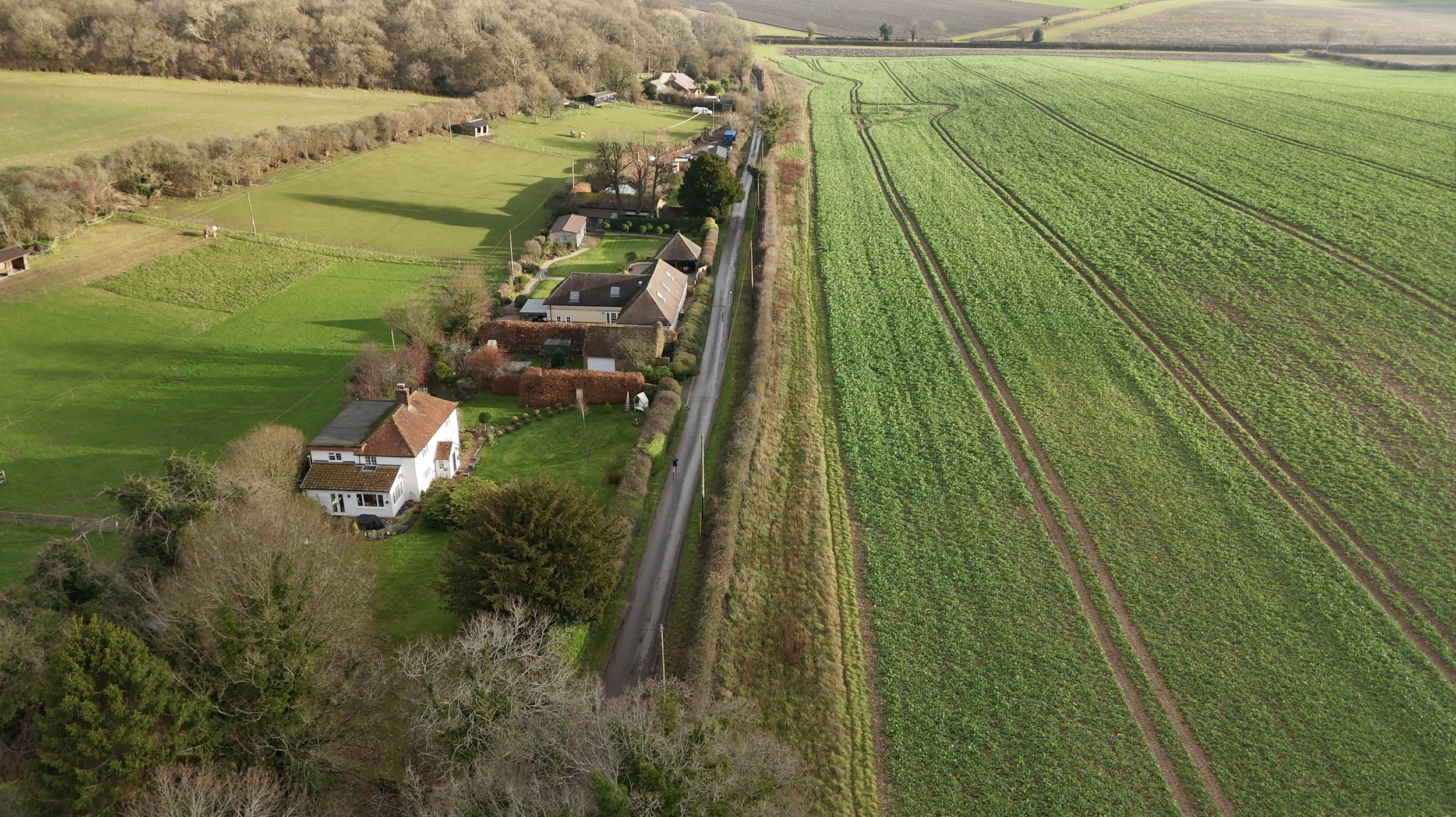
See if you can spot Alice in the picture
Alice is currently training for the London Marathon, so getting some runs in was always part of the plan. Staying in the countryside turned out to be the perfect setting for it.
She headed out for training runs along quiet country lanes, surrounded by open fields and fresh air rather than traffic and pavements.
Countryside walks
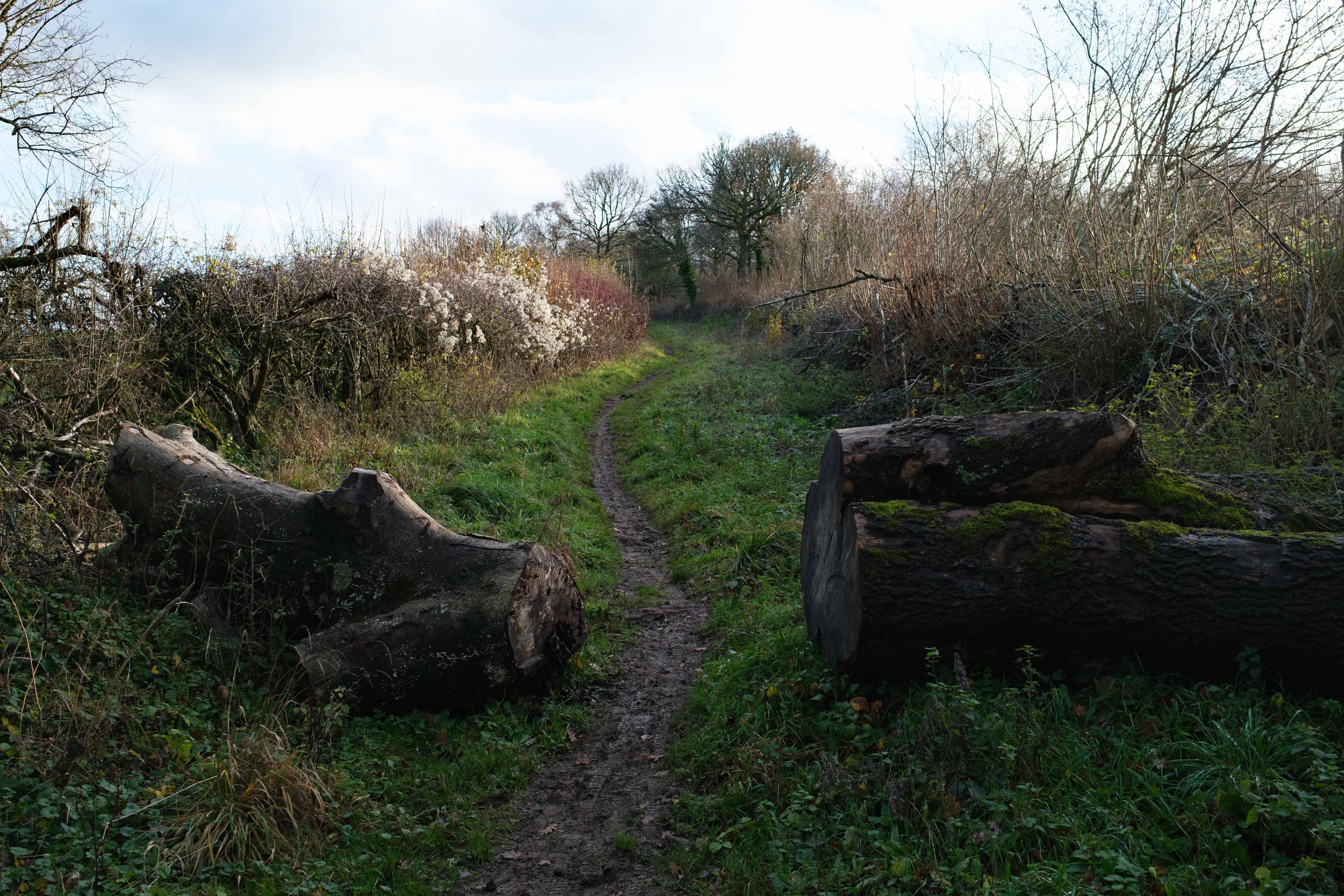
We spent a lot of time walking, exploring the area using the paper map provided in the cabin. Without GPS or the ability to quickly check directions, we inevitably got lost more than once, but that quickly became part of the fun rather than a frustration.
Wandering down footpaths, doubling back, and choosing routes based on instinct rather than efficiency made the walks feel far more adventurous. There was no pressure to hit a certain distance or destination, just time to explore and see where the paths led.
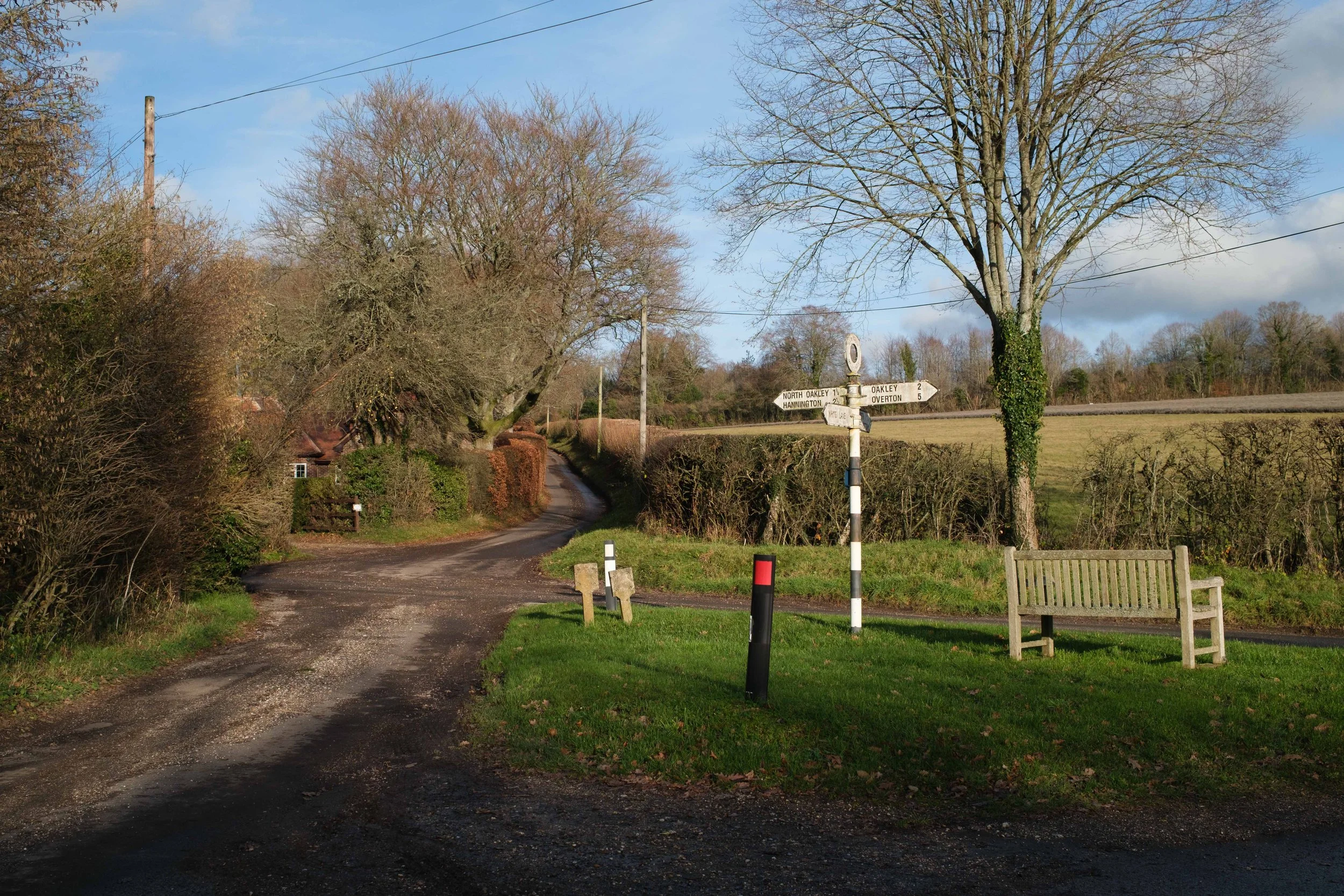
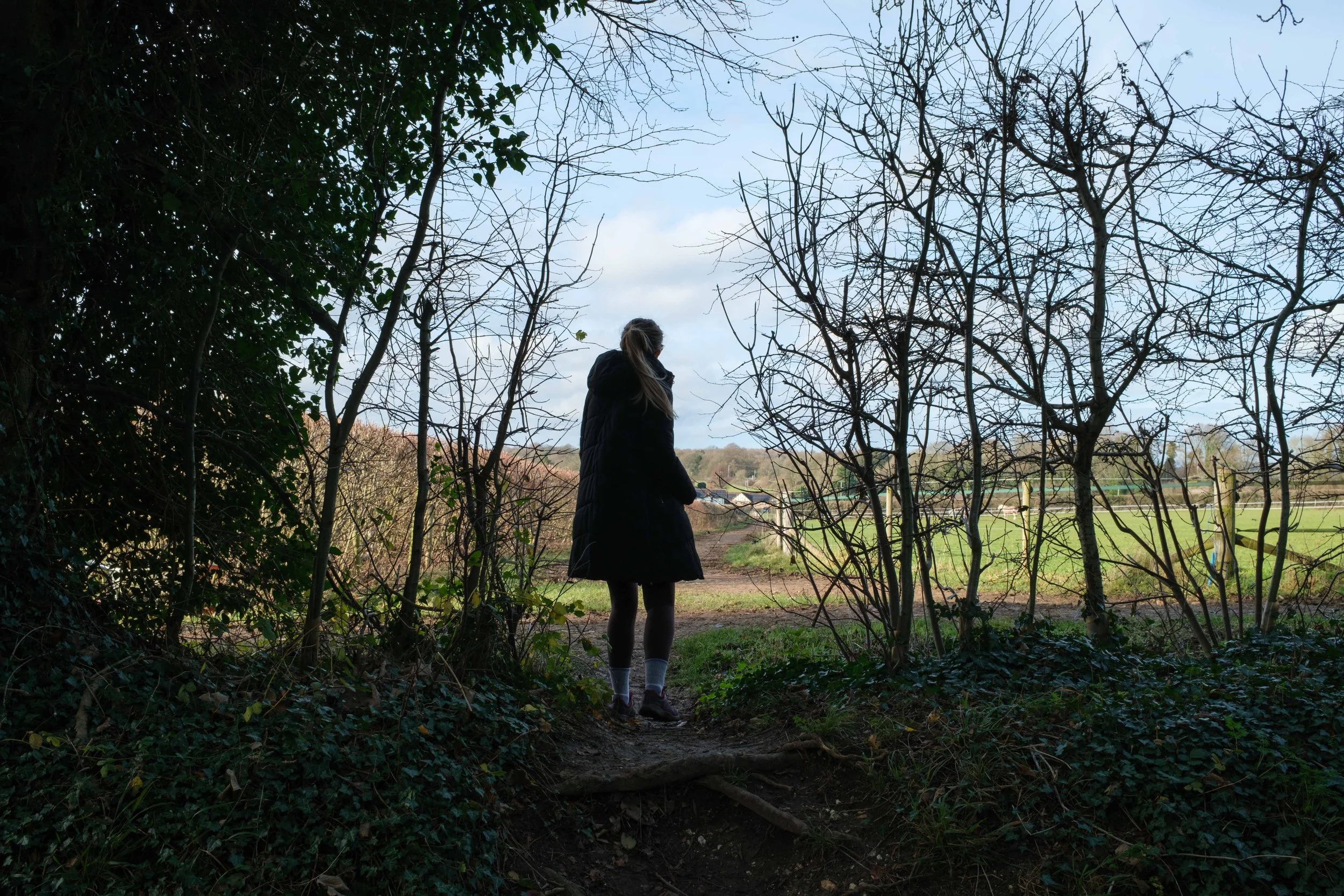
On one of our walks, we visited Summerdown peppermint farm, the owners of the land on which the cabin sits (hence the name, Minty). We had some of their tea in the cabin and decided to buy more to take home, along with some of their chocolate products. Their mint chocolate is absolutely incredible, and it’s what we used to make our hot chocolates in the cabin.
Sleeping
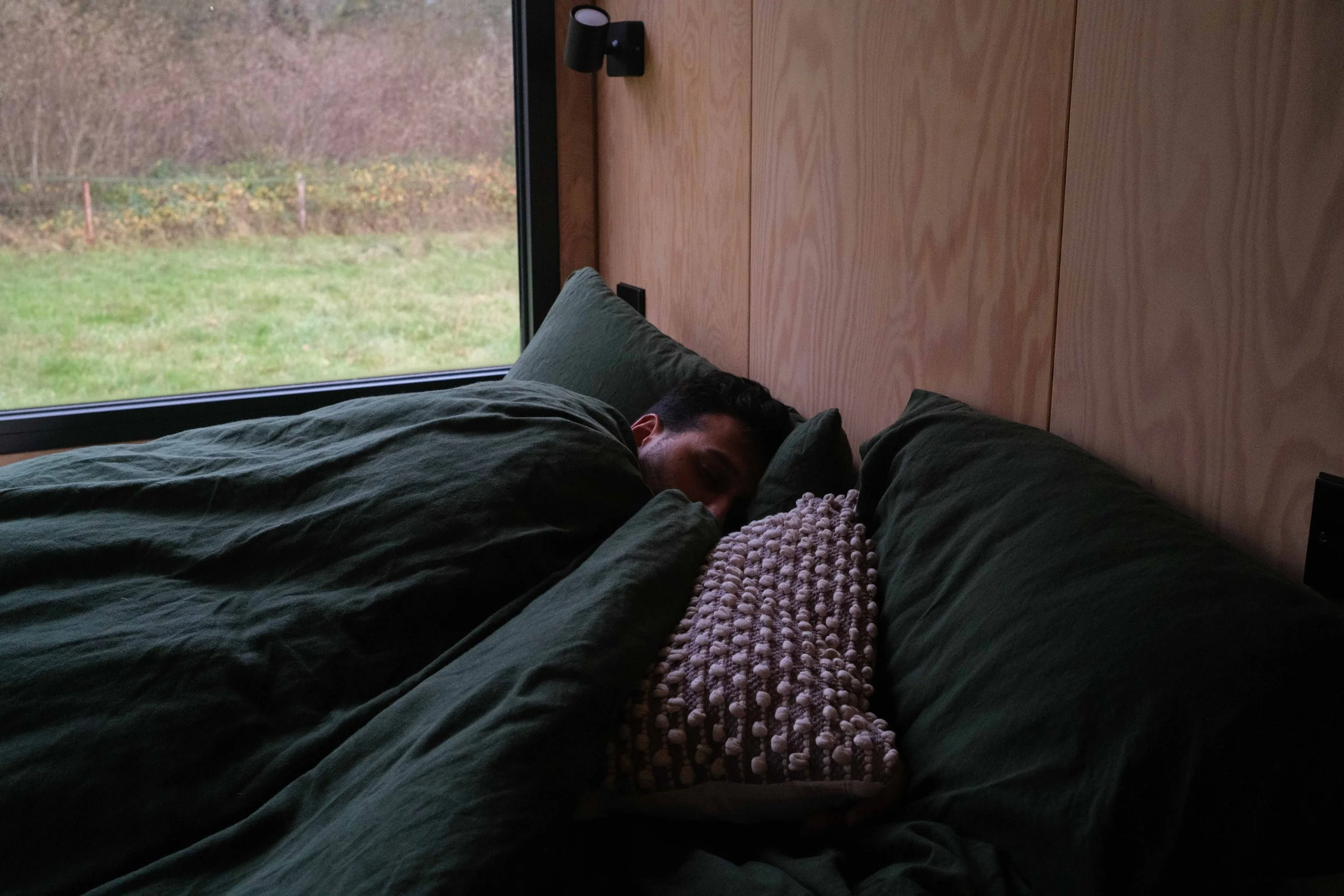
We slept a lot, and it was some of the best sleep we have had in a long time. With no alarms set and no reason to wake up at a particular time, we let nature dictate our days instead.
The bed was incredibly comfortable, and the blackout blinds worked perfectly, creating a dark, calm space at night. Even so, we often chose to sleep with the windows slightly open, letting in the cool air and welcoming the morning light as the day began.
In the evenings, we listened to the sleep story Wonder by Matthew McConaughey (On a cassette made by Calm). It was so relaxing that since coming back, we have downloaded Calm and continued listening to it at home. We must have heard it seven times by now, and without fail, we fall asleep every single time. We still don't know what the story is about!
Playing Games
The cabin has a small selection of games, including classics like Jenga, although we did not end up playing those very much.
We briefly played a card game designed to help couples get to know each other better. It started off lighthearted but quickly led to deeper questions, long conversations, and even a bit of dancing around the cabin.
There is also the Nokia phone they provide, mainly for emergencies, which comes with Snake. Alice ended up playing it and became surprisingly competitive. By the end of the stay, she had reached number one on the leaderboard on the phone.
Listening to the Radio and cassettes
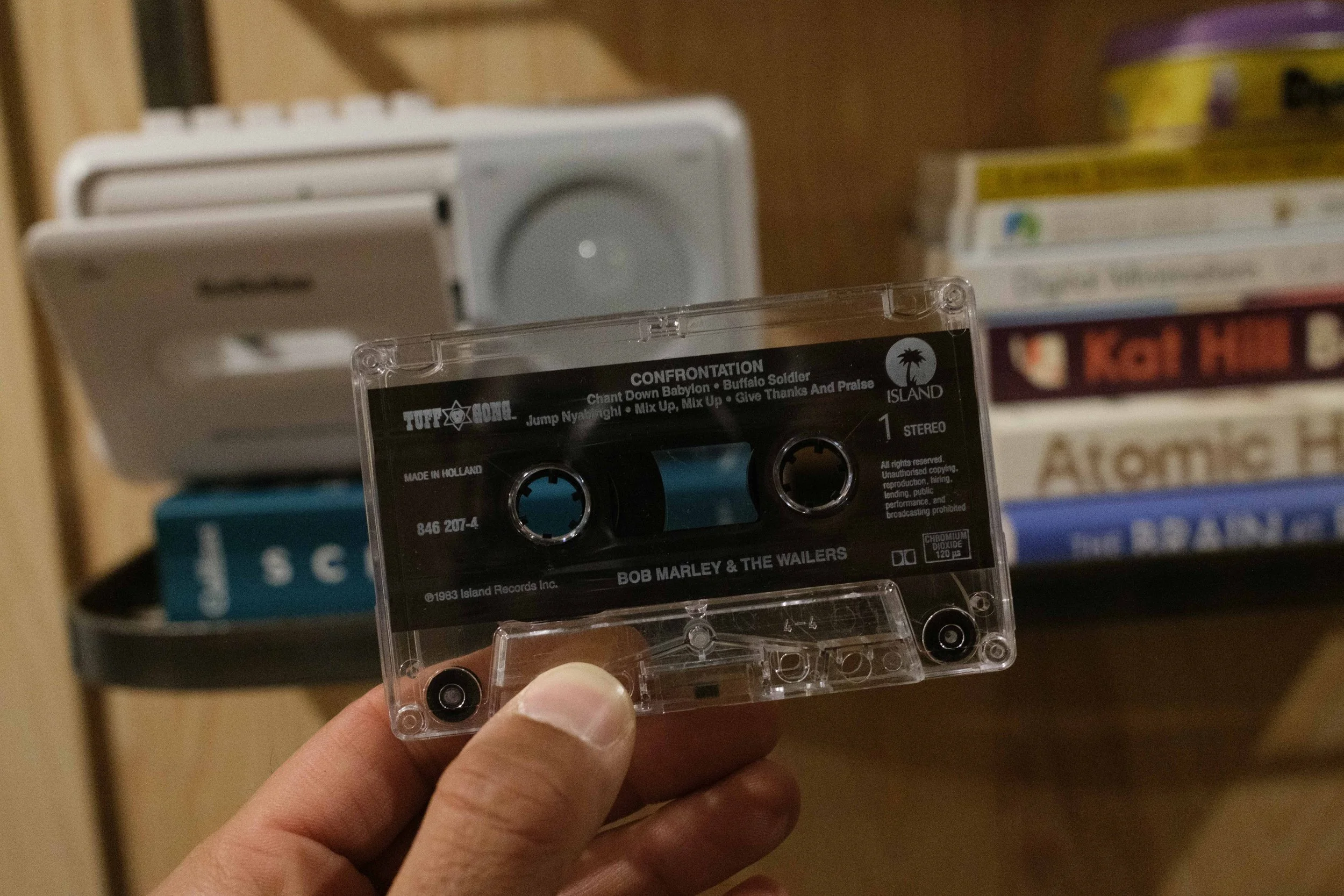
We spent quite a bit of time with the radio on in the background, mostly tuned to festive stations playing Christmas music. The moment we heard headlines, we suddenly felt pulled straight back into the outside world we were trying to escape from, and we would rush to change stations. It was a small but telling reminder of just how much constant information shapes our headspace.
The cassette player became a favourite. We enjoyed listening to a mix of Bob Marley and the Spice Girls, which felt both nostalgic and oddly perfect for cabin life.
Journalling
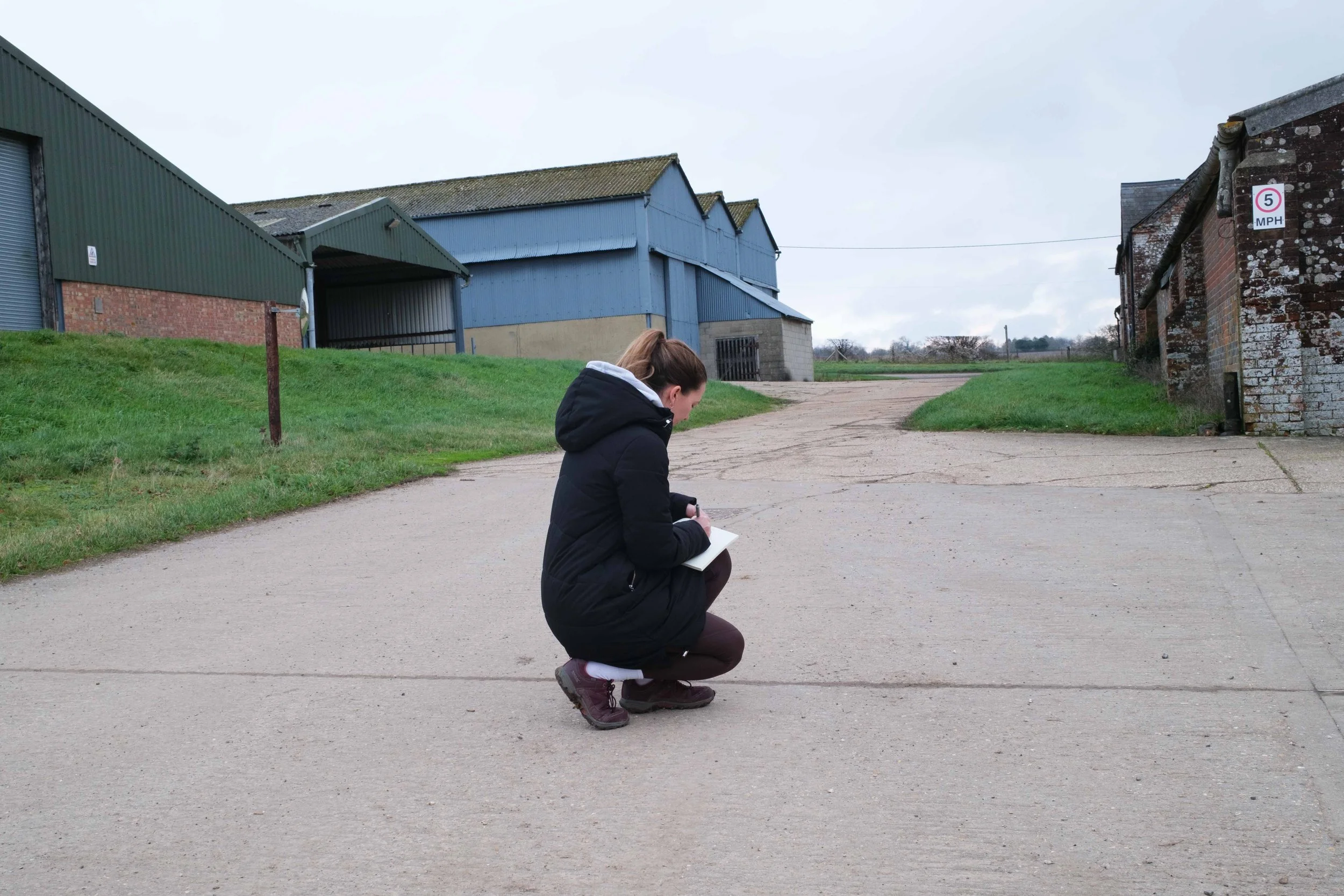
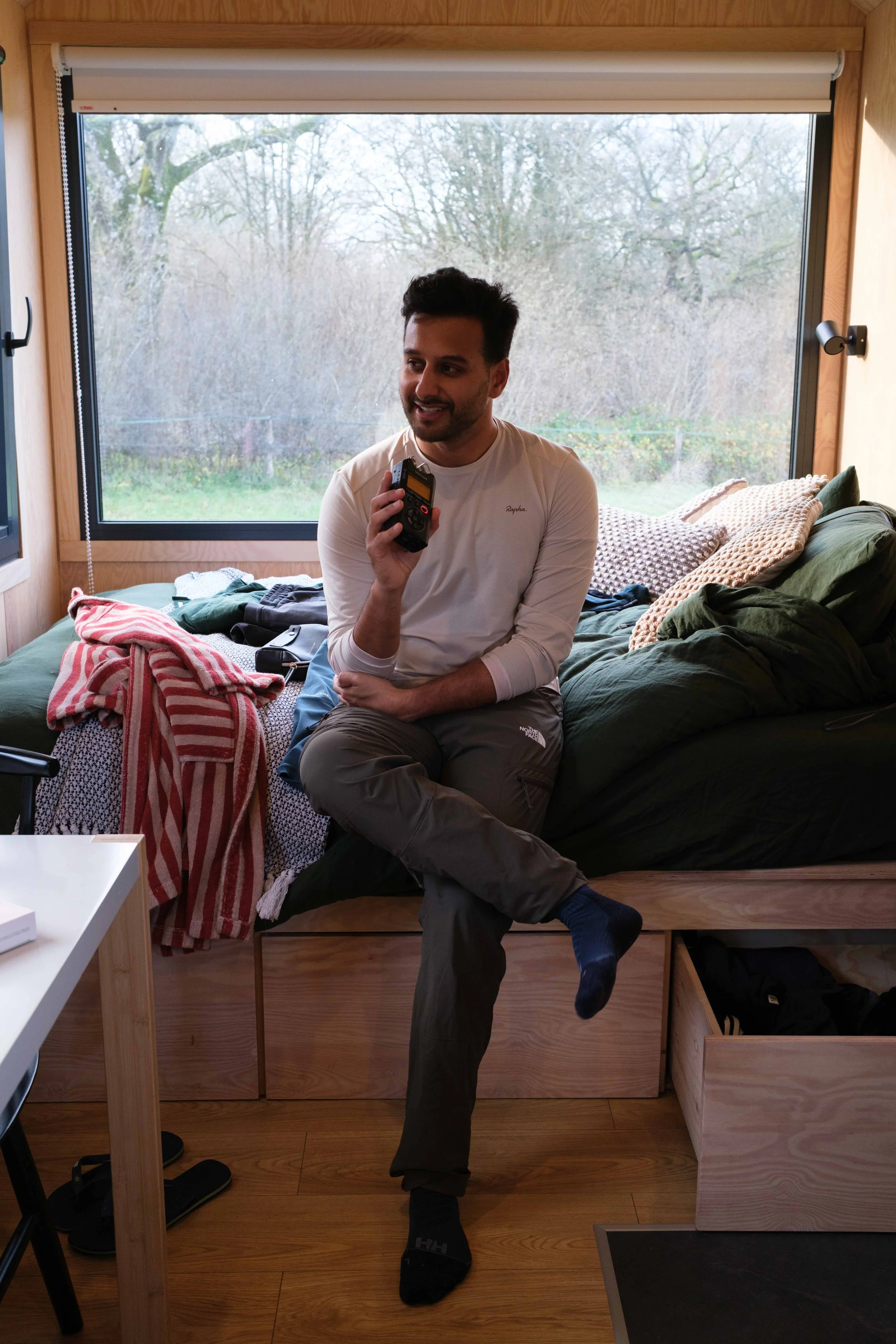
Without our phones, we relied on a physical, handwritten journal far more than we expected. Before the trip, we used it to note down practical information like addresses, plans, and reminders. During the stay, it became a place to capture thoughts, observations, and moments we wanted to remember for this write-up.
Alongside this, we kept an audio journal of the trip. Speaking through our thoughts, how we were feeling, and what we had been doing helped us capture the atmosphere of the stay in a way that written notes sometimes cannot. It also felt like a nice way to create memories for ourselves, separate from photos or social media.
Stargazing
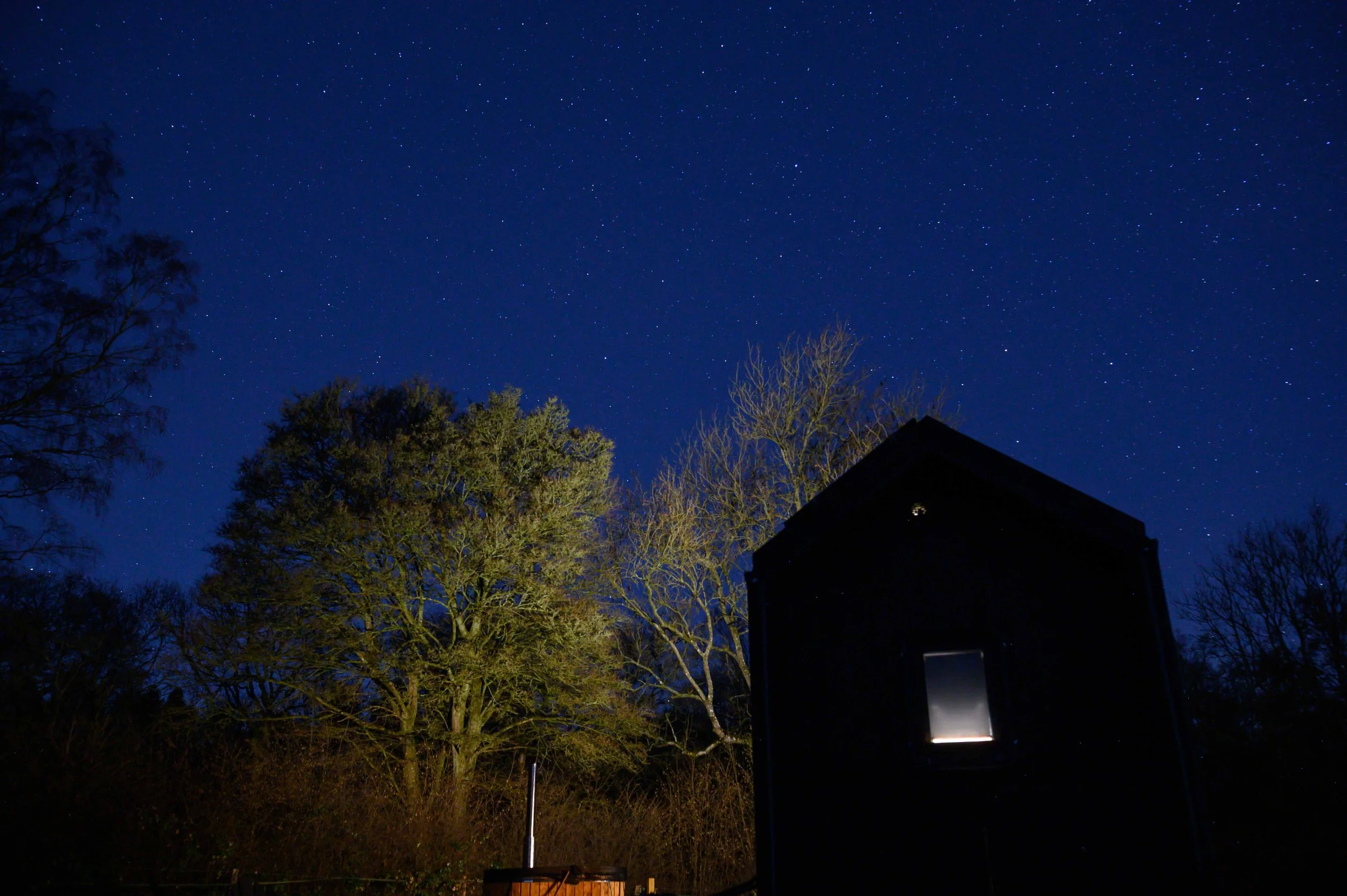
Because the cabin was so remote, the nights were completely dark. With no light pollution, the sky opened up in a way you rarely get to see. We could sit outside in the hot tub, the fire going nearby, and simply stare up at the stars for as long as we liked.
Dining out in nearby towns
Being Hungry Soles, finding good restaurants was always going to be a big part of the trip. Before locking our phones away, we had pre-booked dinner at Pulpo Negro in New Alresford and Sunday lunch at The Greyhound on the Test in Stockbridge. Both small quaint English countryside towns.

Pulpo Negro
To make the digital detox work properly, we wrote down all the essentials in our notebook in advance. Addresses, directions, phone numbers, and rough routes so there was no temptation or need to reach for a phone later. It felt slightly old-fashioned, but also oddly satisfying and very much in the spirit of the stay.
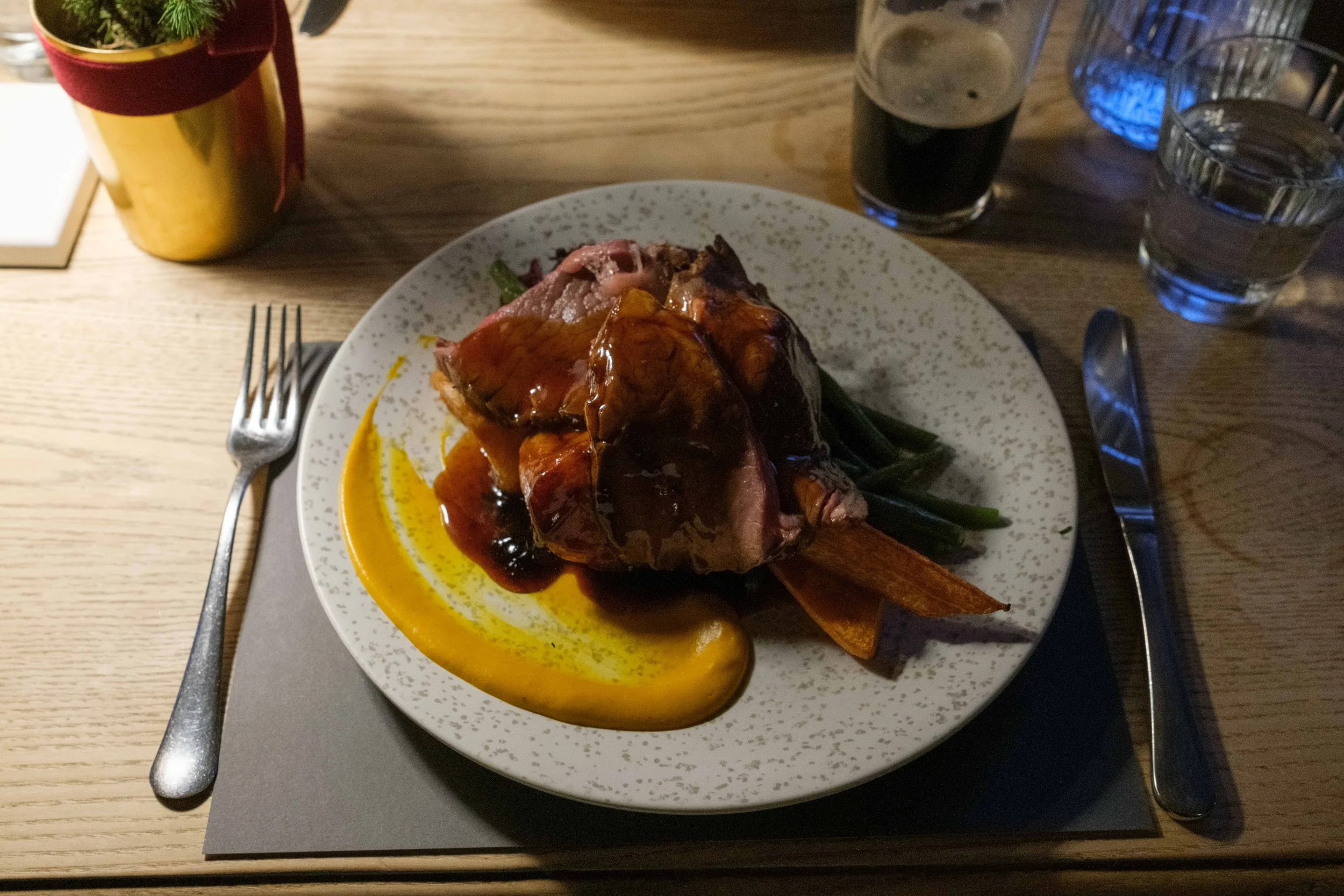
They Greyhound on the Test
Both meals were excellent. Pulpo Negro delivered exactly what we hoped for, while Sunday lunch at The Greyhound on the Test was the perfect slow, comforting end to the weekend. Eating out without phones on the table made the meals feel more intentional, unrushed, and genuinely enjoyable.
Would we come back to Unplugged?
Absolutely. We would happily come back to Unplugged without hesitation.
We would be more than content staying at Minty again, but next time we would probably choose a different cabin to experience a new setting and landscape. That is part of the appeal, knowing the experience will be just as thoughtfully designed, while still feeling fresh and slightly different each time.
What really stayed with us was not just the cabin itself, but how we felt during and after the stay. Slower, calmer, and far more present. It is the kind of break that resets you in a way few weekends away manage to do, and for that reason alone, we know it will not be our last Unplugged stay.
What we would do differently
Honestly, not much at all. The process of switching off is part of the experience itself, and you cannot really over-prepare for it without defeating the point. A lot of the value comes from letting go and adapting once you are there.
The main thing we took away is how important it is to write things down beforehand. Especially anything you would normally rely on your phone for. Simple things like your credit card PIN, booking details, restaurant addresses, phone numbers, and rough routes.
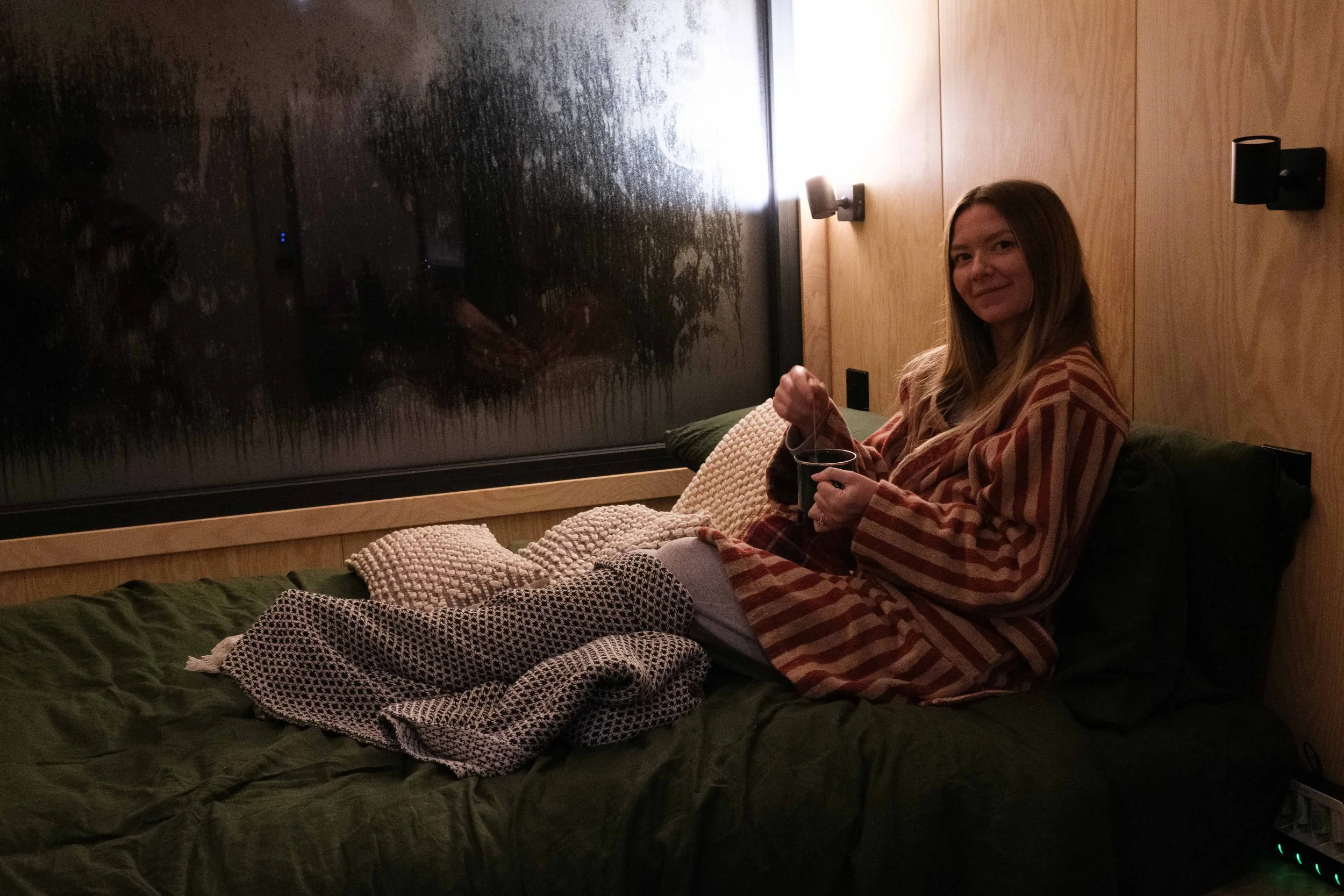
We had already written all of this into our notebook and messaged close family before switching off, so they knew they could reach us via the Nokia in an emergency. That preparation made the transition feel calm rather than stressful.
We also learned a practical lesson with the hot tub. Once it reaches a good temperature, it is worth switching the fire off or at least keeping a close eye on the water. When we overheated it, it took a long time to cool back down again, and if you get caught out, you could easily miss an evening soak altogether.
Beyond that, we felt well prepared and settled into the experience quickly. If anything, it reinforced that you do not need to optimise or plan every detail. Part of the joy is slowing down, making small mistakes, and learning as you go.
Is it worth the money?
We think it is, but we want to be completely transparent.
This stay was a collaboration, and we did not pay for the stay ourselves, so it would not feel ethical to give a definitive judgment based purely on cost. That said, we love countryside cabin stays and have been on several in England and other countries where we have paid similar prices for comparable experiences.
What sets this apart is that those other stays were not designed around unplugging. Even if you remove the digital detox element entirely, these cabins are genuinely lovely places to spend a couple of nights. They are comfortable, well-thought-out, and set in beautiful locations, which alone would make them appealing.
Where Unplugged really stands out is in how they prepare you for the experience. They actively encourage you to switch off, guide you through the process, and remove a lot of the friction that can make a digital detox feel intimidating. They also research the local area for you, making it easier to explore without relying on a phone.
We would happily stay here even without the unplugging aspect, but if you are booking an Unplugged stay, we strongly suggest leaning into it fully. Be open to switching off, use it as an opportunity to reconnect with nature, slow down properly, and do something genuinely different from everyday life.
Final Thoughts
This stay came at exactly the right time for us. Before the end of the year chaos, before everything sped up again, it gave us space to slow down properly, reset, and reconnect with both nature and each other. It reminded us how little we actually need to feel rested, and how powerful it can be to remove constant digital noise, even for just a few days.
Unplugged is not about perfection or doing a digital detox the “right” way. It is about creating the conditions that make switching off easier, more natural, and far less intimidating than most people expect. Whether you lean fully into the detox or take a slightly softer approach, the experience meets you where you are.
If you are curious to try it for yourself, you can book a stay with Unplugged using our code UAHUNGRYSOLES to get £35 off your booking.
For transparency, this is an affiliate code, and we earn a commission if you book using it, which helps support our work at Hungry Soles.
If you have been feeling overstimulated, burnt out, or simply in need of a different kind of break, we genuinely recommend trying this experience at least once. Switch off, slow down, and give yourself the space to do a little less.
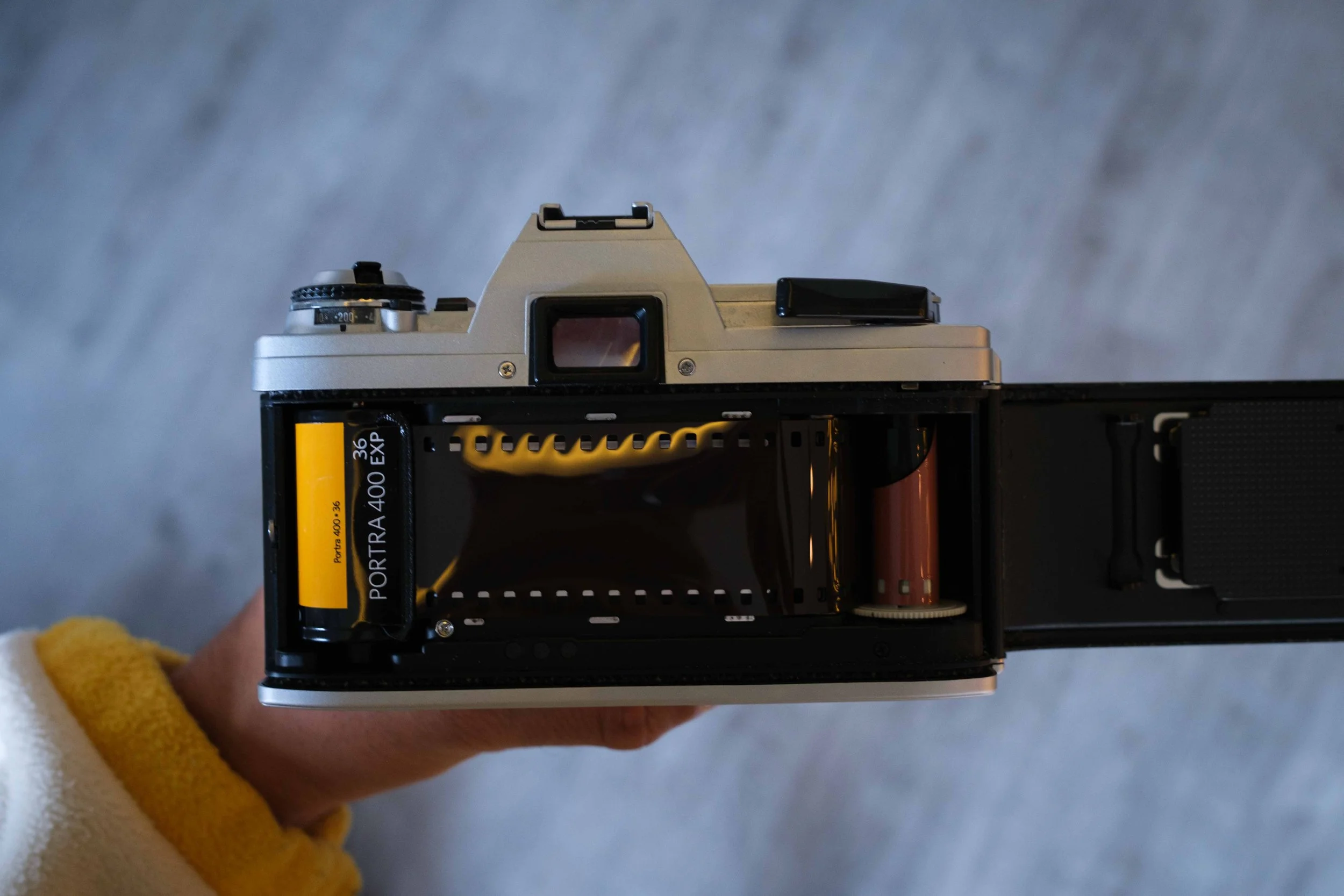
I shot a reel of Portra 400 on this trip for the first time, I’ll add some pics here once they are developed
